What are CBT Skills Worksheets?
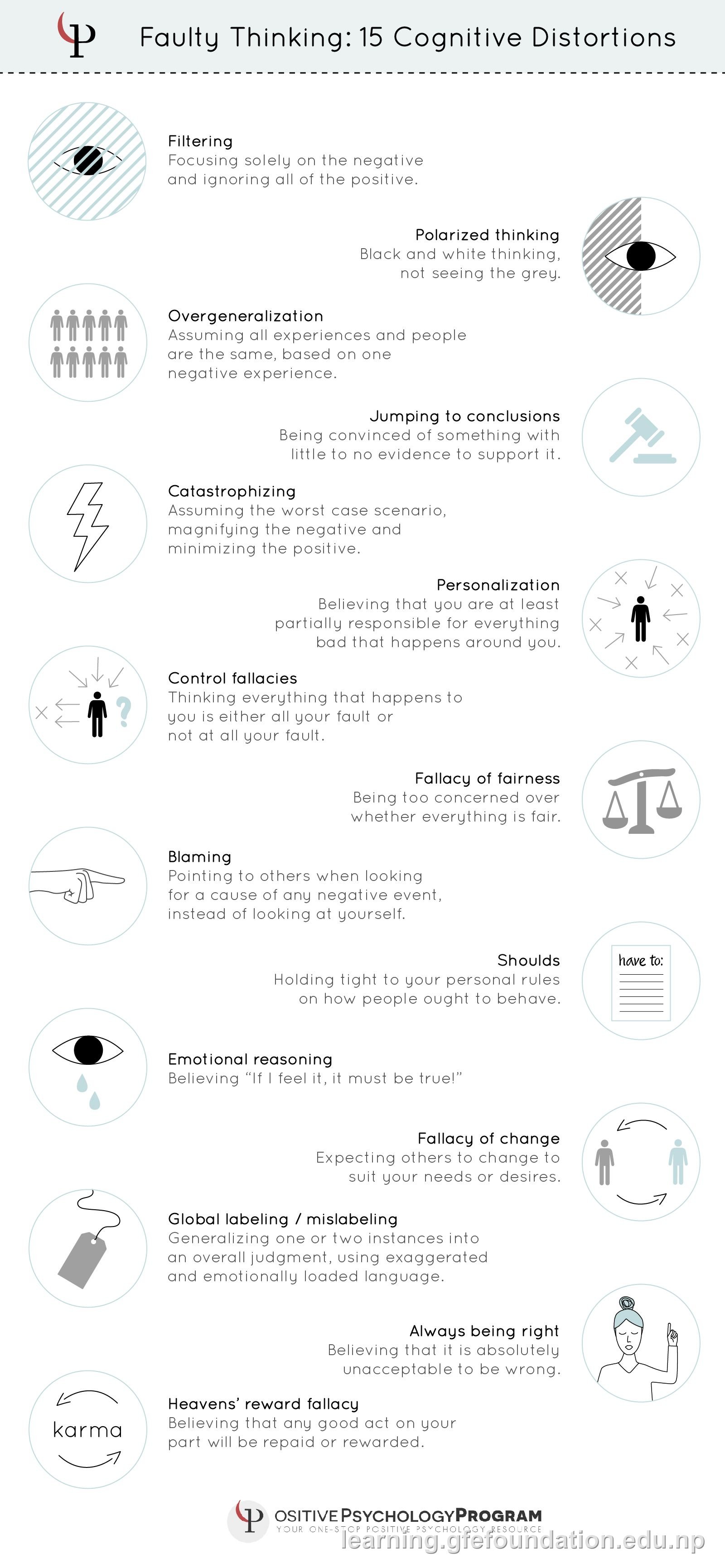
Explore our CBT skills worksheets - simple, printable tools to enhance your therapy. Get started now and take control of your progress.
A common misconception about CBT skills worksheets is that they are solely for children or that they lack depth. However, these versatile resources offer a simple yet powerful approach to learning and practicing cognitive behavioral therapy techniques. Whether you're seeking printable therapy tools or just a quick activity to enhance your CBT journey, these worksheets provide an accessible way to explore and apply these valuable skills.
CBT Skills Worksheets: A Practical Overview
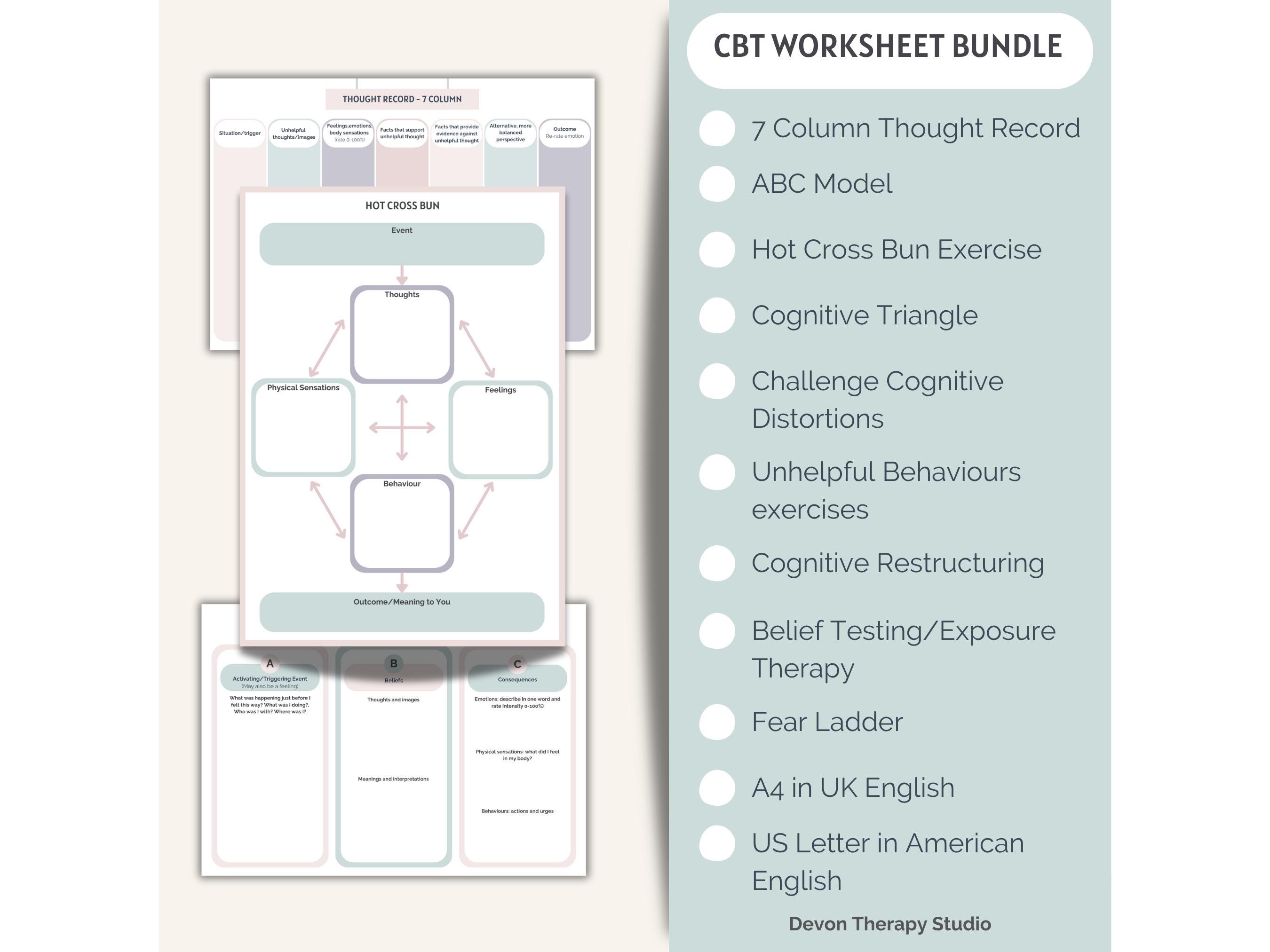
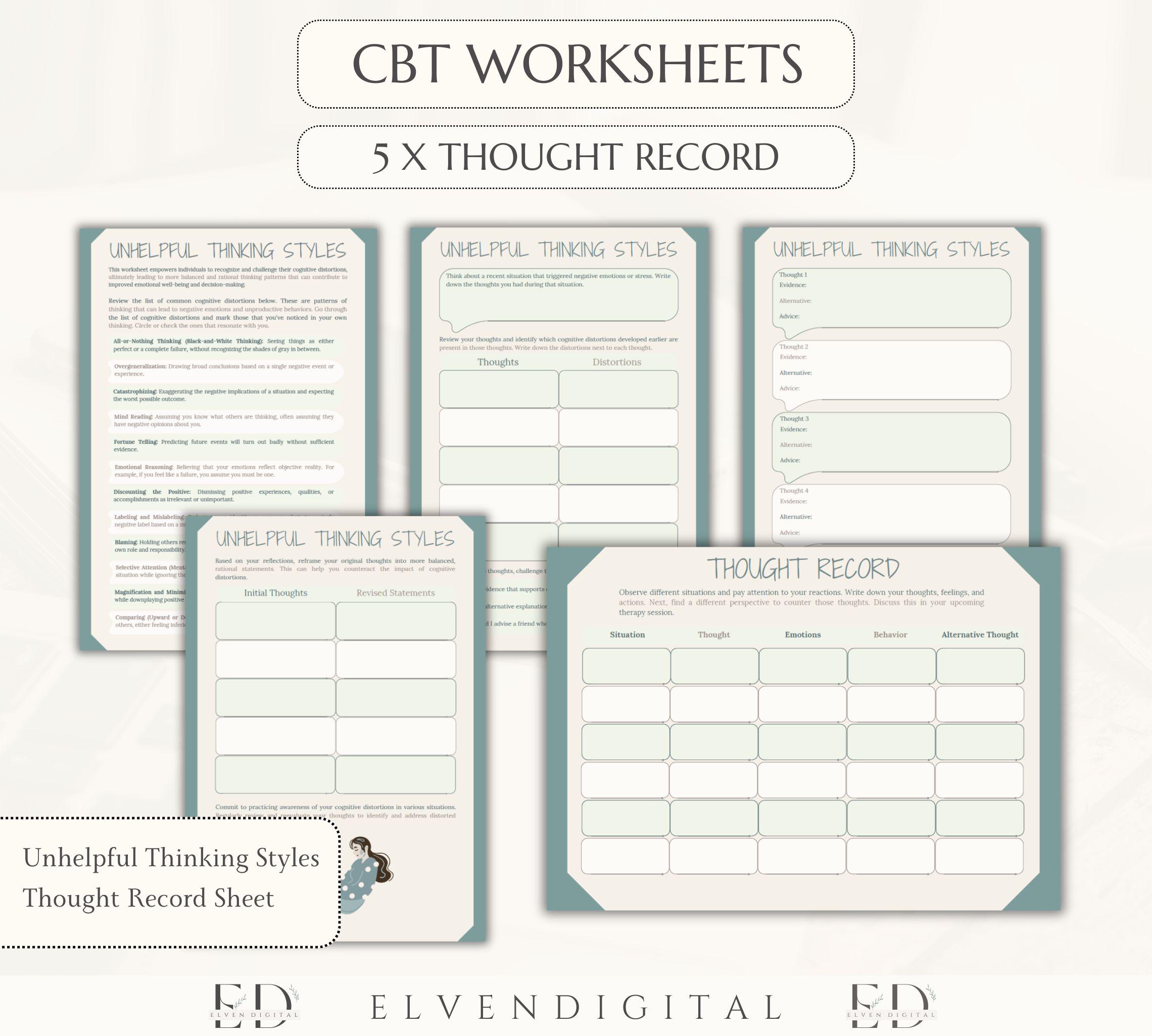
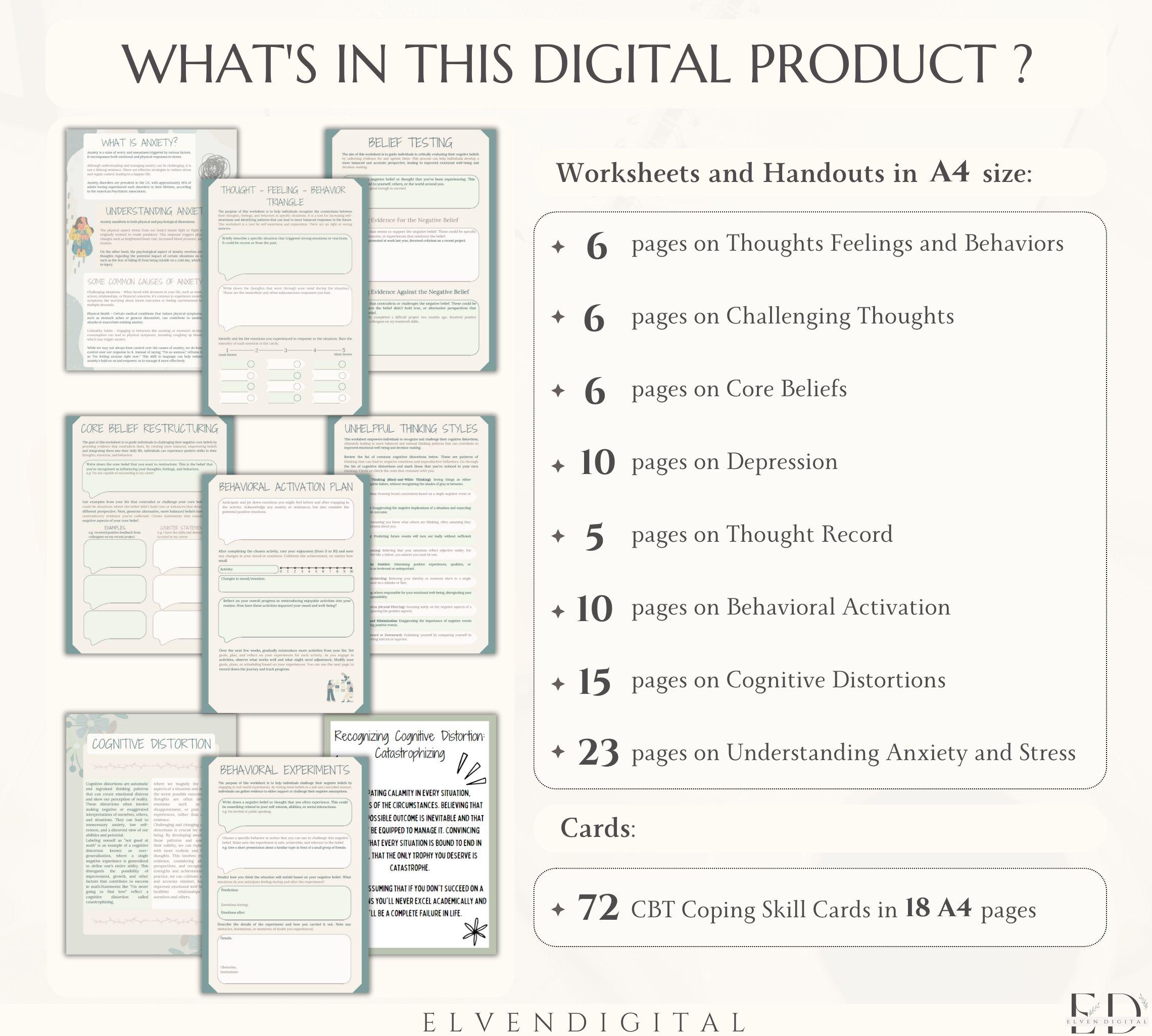
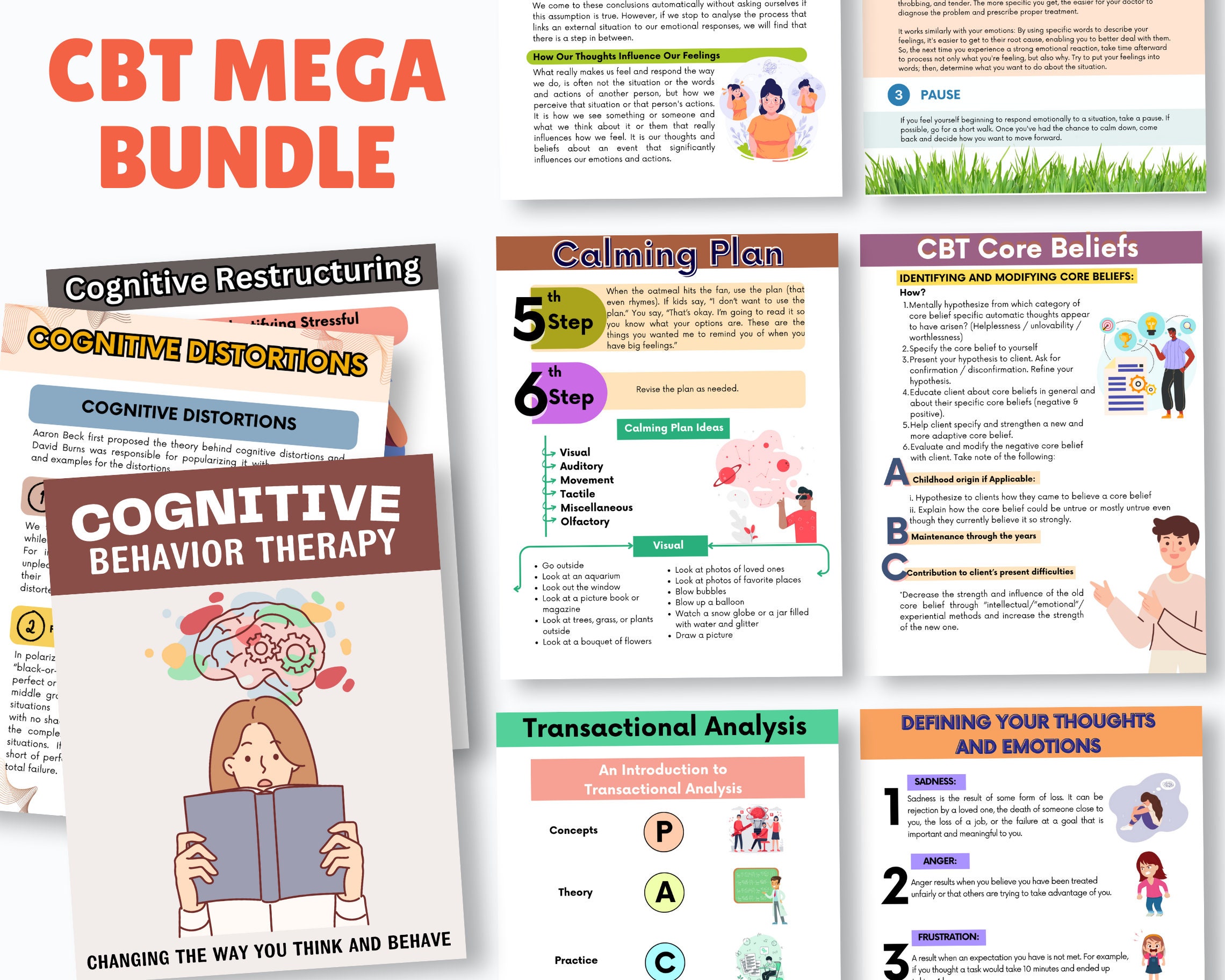
CBT skills worksheets are a valuable tool for individuals, especially children and adolescents, to learn and practice cognitive-behavioral therapy techniques. These worksheets provide a structured approach to developing coping skills and managing mental health. They are designed to be engaging and interactive, offering a hands-on way to explore and apply CBT concepts.
Comparing Worksheet Formats and Styles
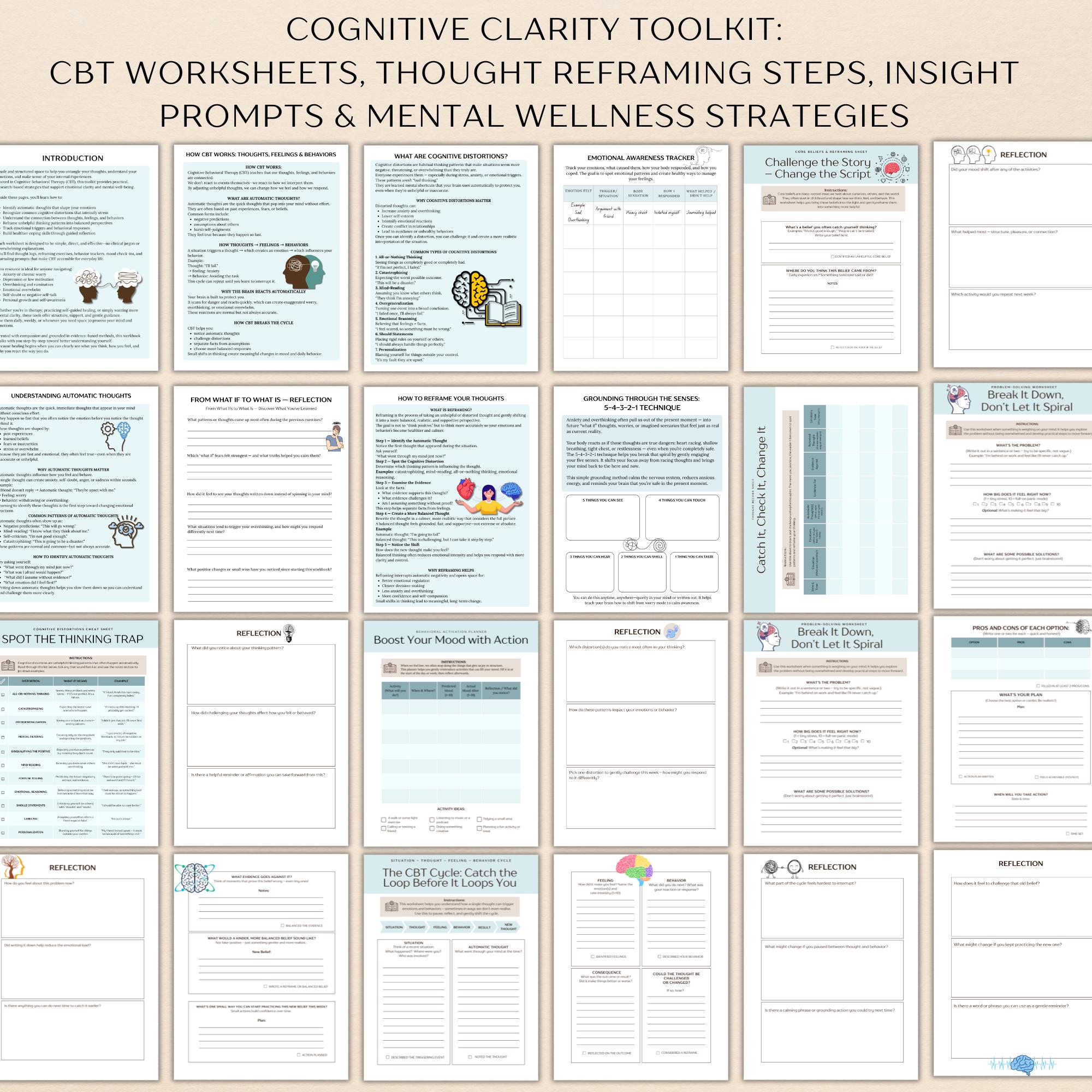
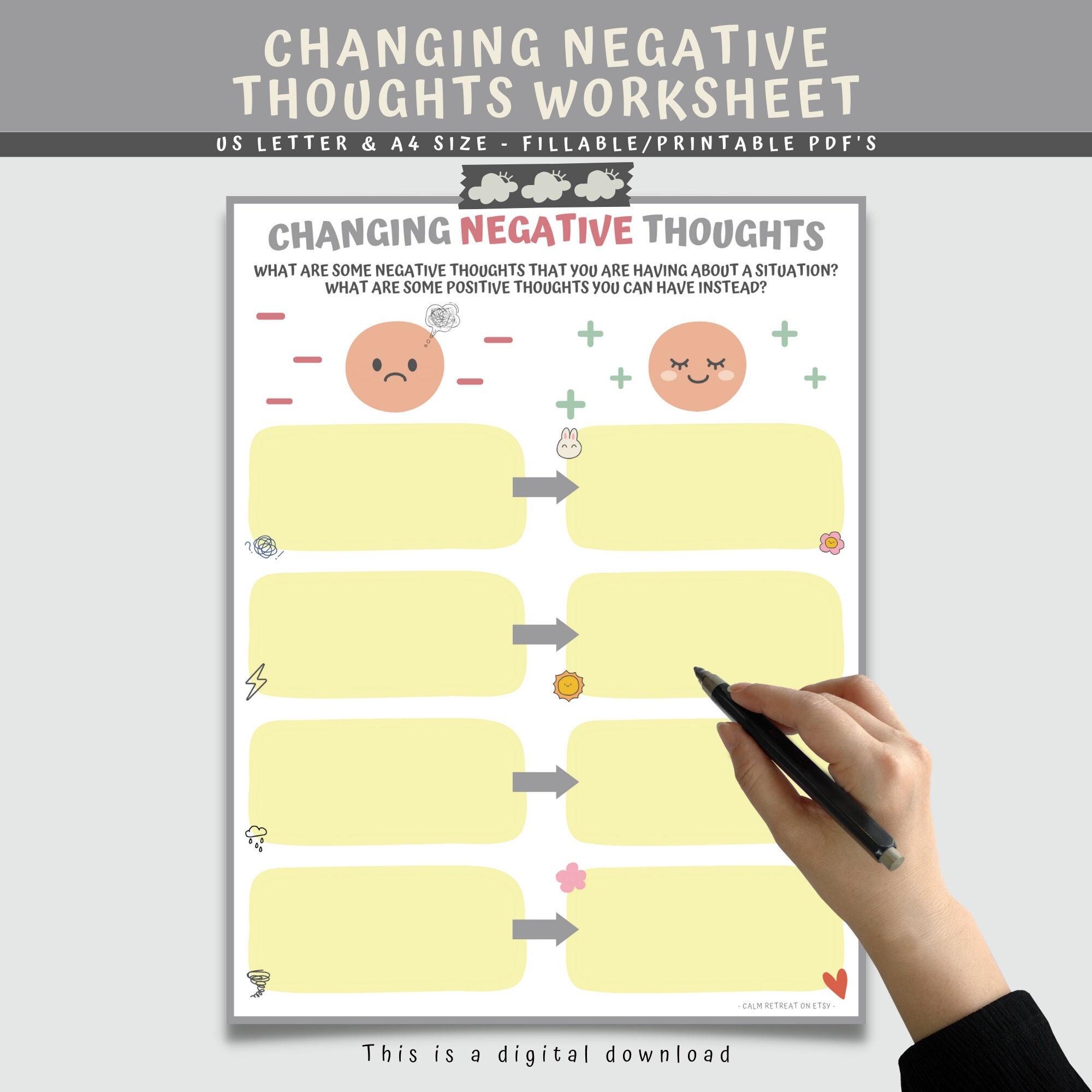
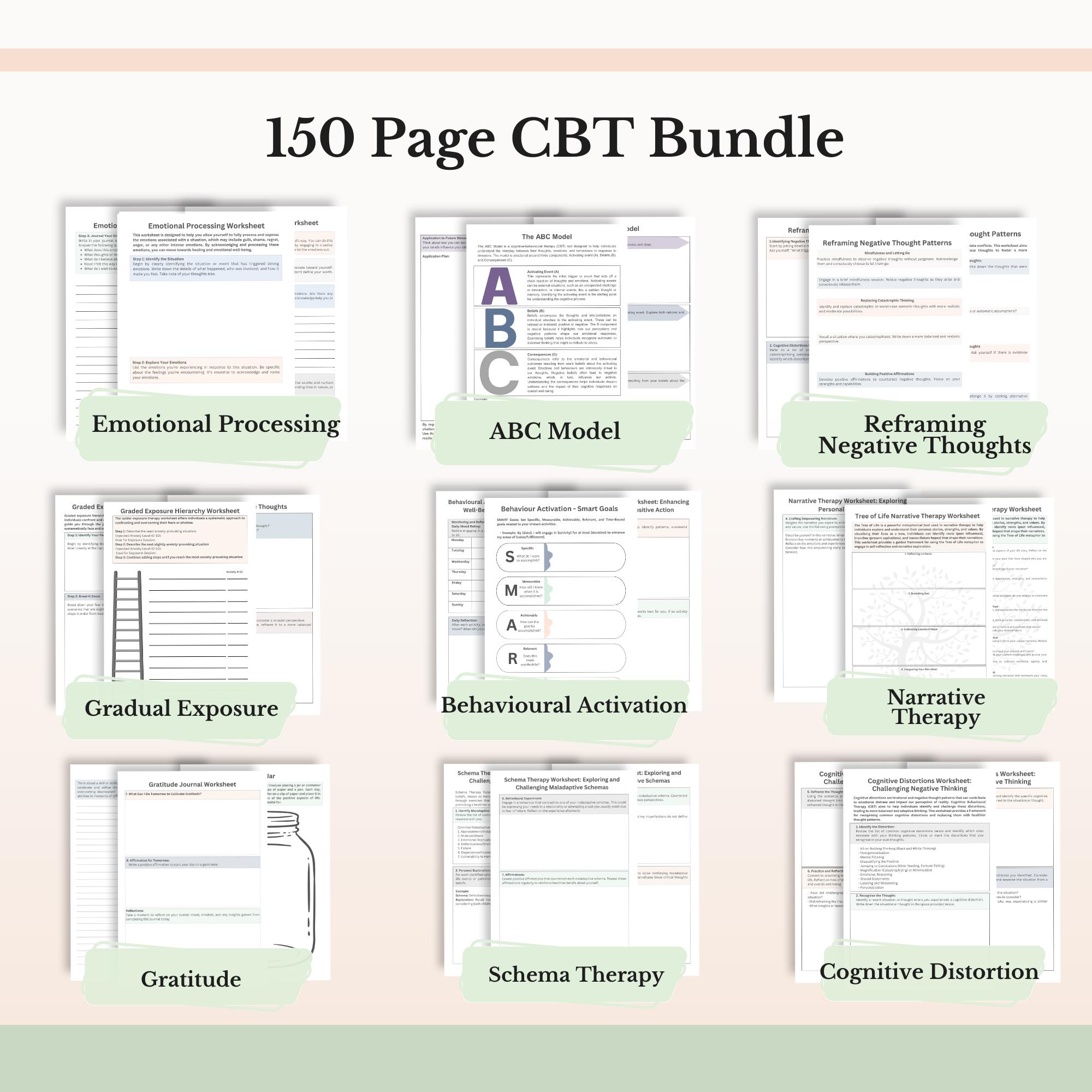
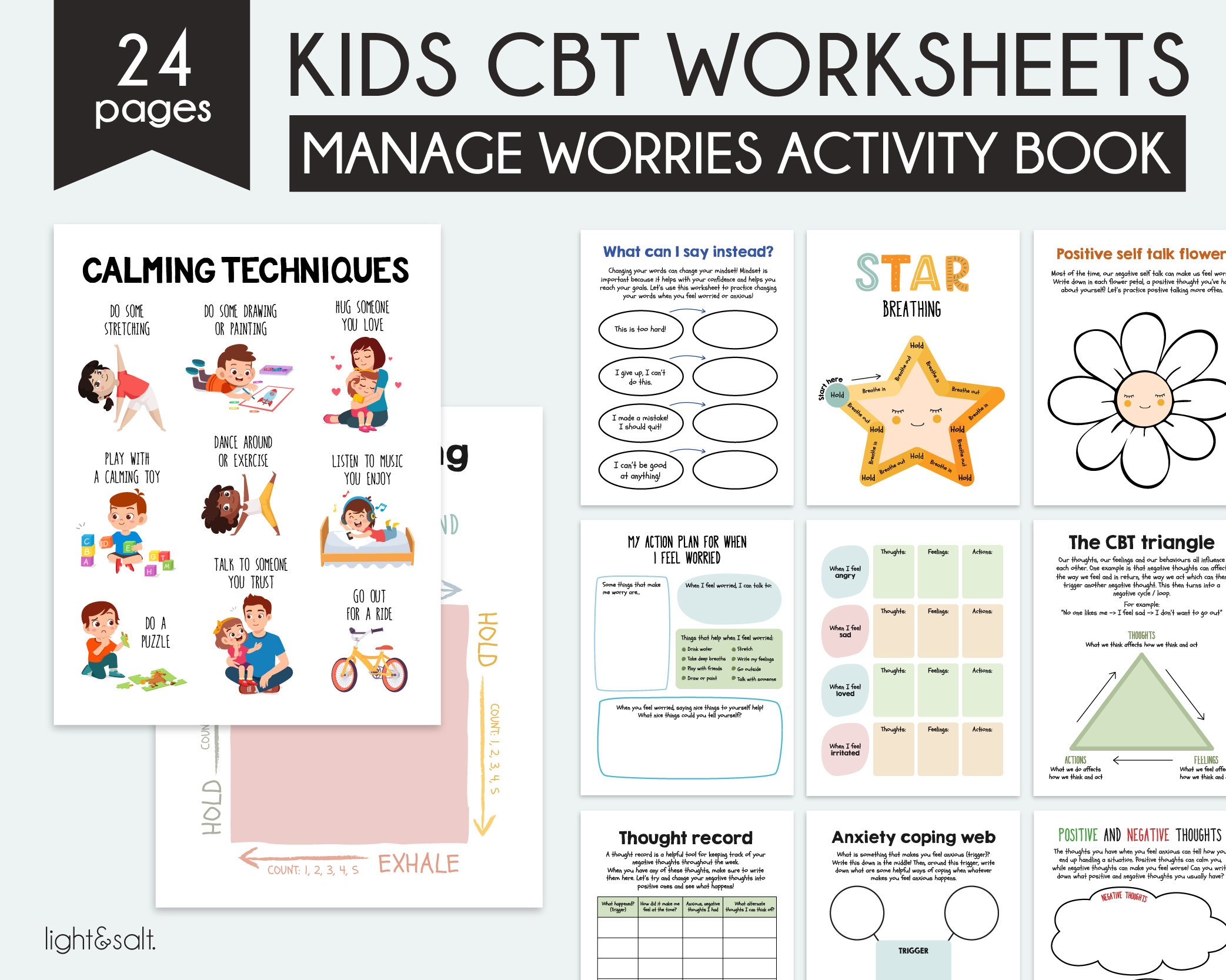
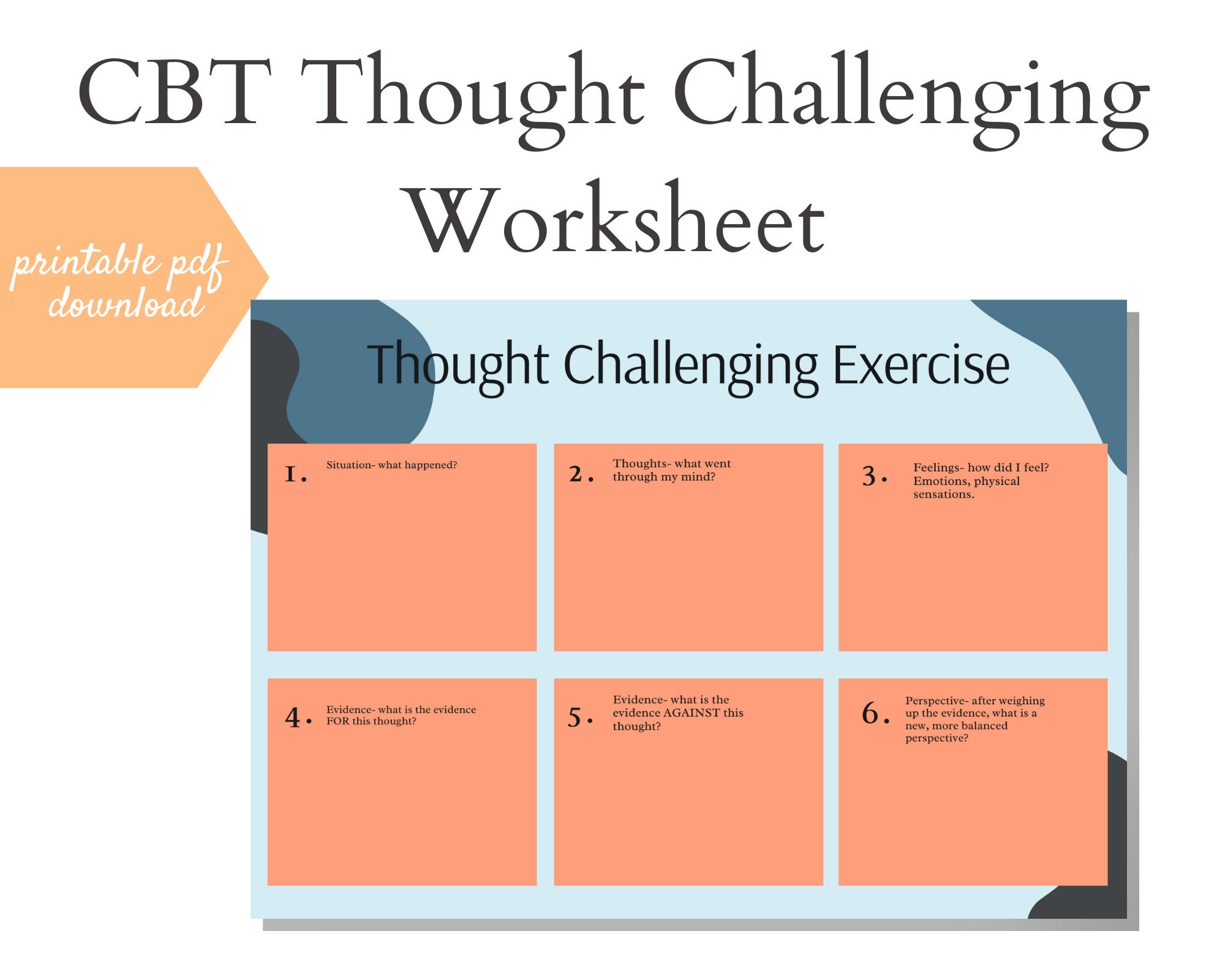
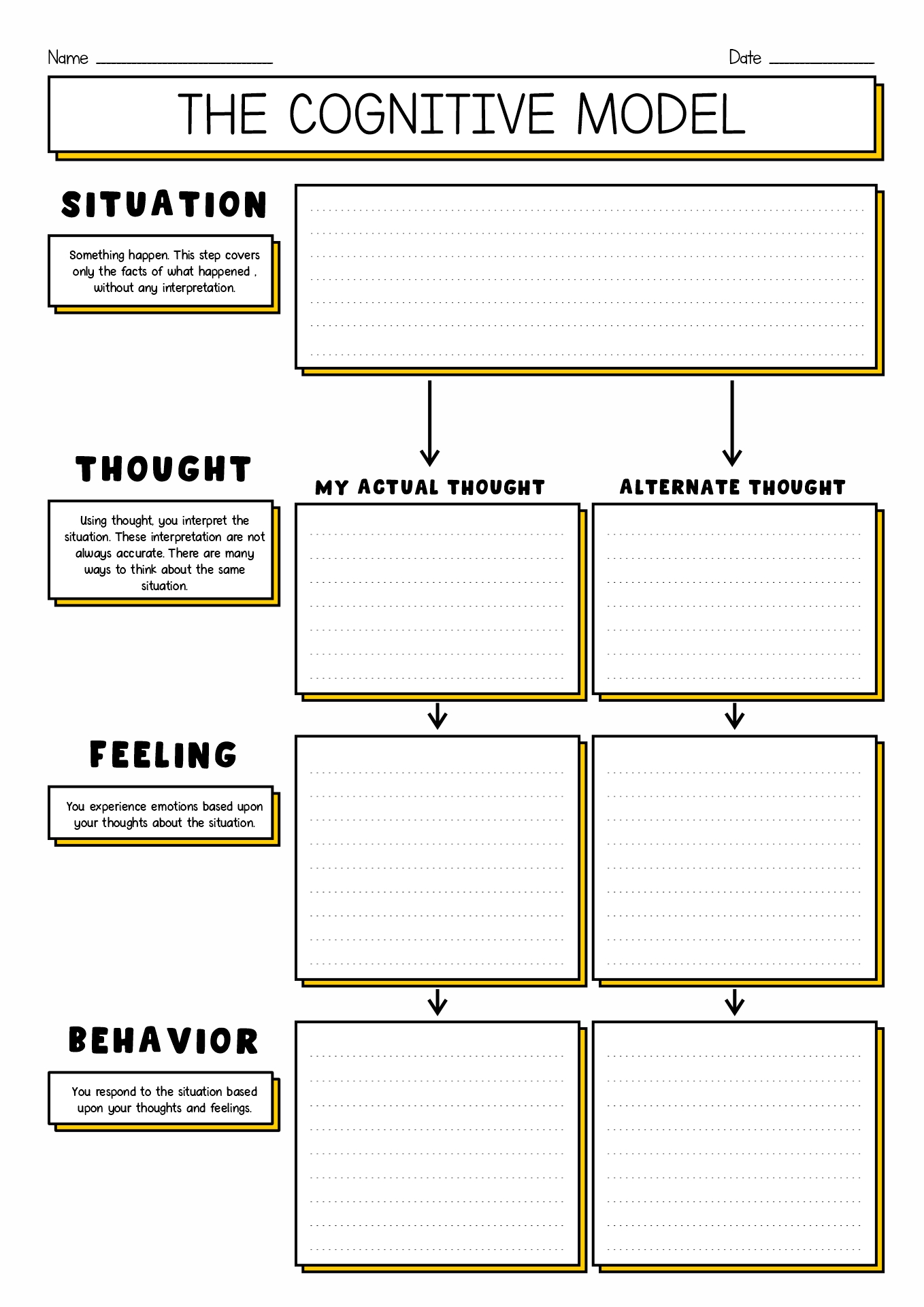
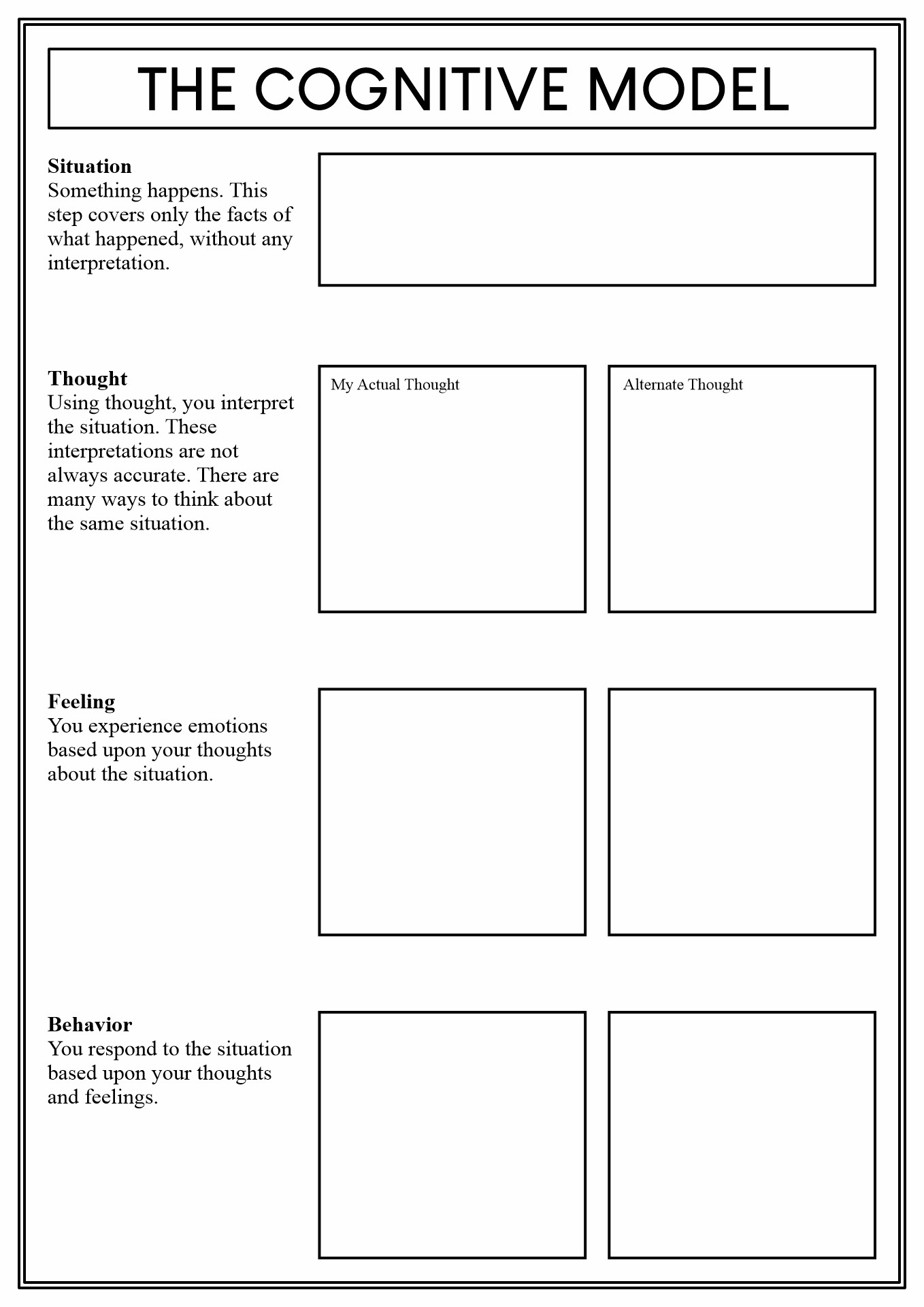
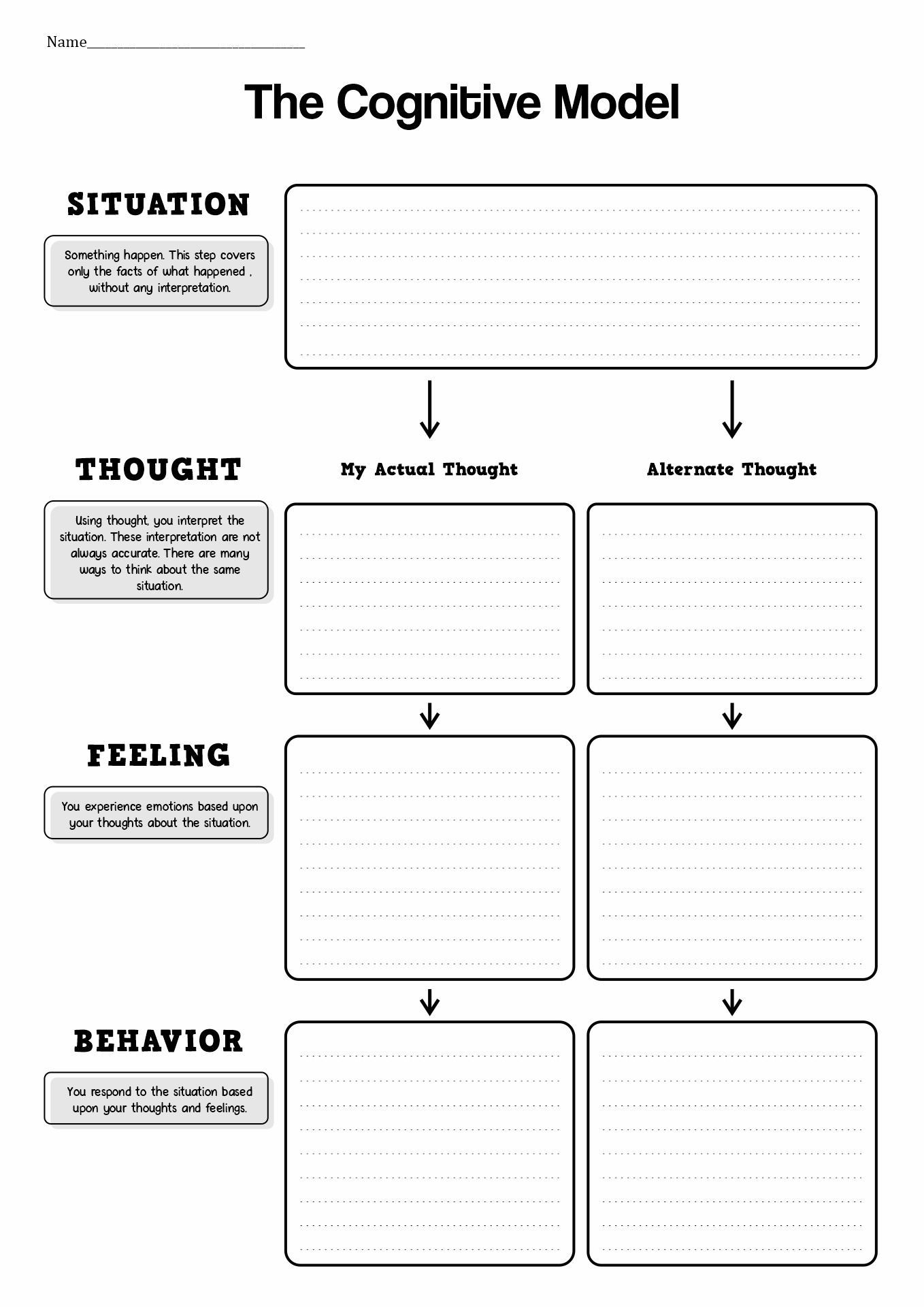
There is a variety of CBT activities and worksheet designs available, catering to different age groups and therapeutic goals. Some worksheets focus on specific skills, like challenging negative thoughts or developing problem-solving strategies, while others offer a more comprehensive approach, covering multiple CBT techniques. The format and layout can vary, with some worksheets featuring simple text and prompts, while others incorporate visual elements and interactive exercises.
How to Use CBT Skills Worksheets Effectively
Choose the Right Worksheet: Select a worksheet that aligns with your therapeutic goals and the individual's needs. Consider their age, grade level, and specific mental health challenges. For younger children, opt for worksheets with visual cues and simpler language.
Set the Scene: Create a comfortable and private space for the worksheet activity. Ensure the individual feels safe and supported. Explain the purpose of the worksheet and how it can help them.
Guide and Encourage: As the individual works through the worksheet, provide guidance and support. Offer prompts and questions to encourage reflection and self-discovery. Help them understand the concepts and apply them to their own experiences.
Practice Regularly: Consistency is key. Encourage the individual to complete worksheets regularly, ideally as part of a structured therapy plan. Regular practice reinforces the skills and helps them become more intuitive.
Reflect and Review: After completing a worksheet, take time to reflect on the experience. Discuss the insights gained and how they can be applied in real-life situations. Reviewing the progress made can boost motivation and confidence.
Common Misconceptions and How to Avoid Them
One common misconception is that CBT skills worksheets are a standalone solution. It's important to remember that these worksheets are most effective when used as part of a comprehensive therapy plan. They should be guided by a trained professional who can provide context, support, and ongoing assessment.
Another pitfall is assuming that all worksheets are suitable for all ages. While many CBT activities are adaptable, it's crucial to select age-appropriate materials. Younger children may require simpler language and more visual aids, while older individuals might benefit from more complex prompts and exercises.
Factors Affecting Real-World Application
The effectiveness of CBT skills worksheets can be influenced by various factors. The individual's engagement and motivation play a significant role. Encouraging a positive attitude and providing a supportive environment can enhance their willingness to participate and learn.
Additionally, the therapist's guidance and expertise are crucial. A skilled therapist can tailor the worksheets to the individual's needs, provide meaningful feedback, and integrate the skills learned into their overall treatment plan.
Adapting Worksheets for Different Needs
CBT skills worksheets can be personalized and adapted to suit specific therapeutic goals. If working with a group, consider creating group-specific worksheets that encourage collaboration and shared learning. For individuals with unique needs, such as those with learning disabilities, adapt the worksheets by simplifying language, using visual supports, or providing additional prompts and cues.
When adapting worksheets, it's essential to maintain the core CBT principles and techniques. Ensure that the adapted version still promotes the intended skills and concepts.
Printing and Organizing Your Worksheets
To make the most of your CBT skills worksheets, consider the following printing and organization tips:
Choose the Right Paper Size: Consider using US Letter or A4 paper, depending on your region and printer capabilities. Be mindful of printer settings, as "fit to page" options can affect the layout.
File Formats: Worksheets are often available in PDF format, which is widely compatible. If you prefer editable versions, look for worksheets in word processing formats like DOC or DOCX.
Printing Tips: Use good quality paper for a professional finish. Consider double-sided printing to save paper and create a compact workbook.
Organization: Keep your worksheets organized by creating a dedicated folder or binder. Label each worksheet clearly, indicating the topic or skill covered. This makes it easy to refer back to specific worksheets as needed.
Keeping Your Resources Reliable and Up-to-Date
To ensure the ongoing effectiveness of your CBT skills worksheets, consider the following:
Regularly Review and Update: Stay informed about the latest research and best practices in CBT. Review your worksheet collection periodically and update it with new, evidence-based materials.
Source Reliability: Choose worksheets from reputable sources, preferably created by qualified mental health professionals or trusted organizations. This ensures the content is accurate and aligned with current therapeutic standards.
Feedback and Adaptation: Encourage feedback from individuals who use the worksheets. Their insights can help you identify areas for improvement and adapt the worksheets to better meet their needs.
Remember, when it comes to CBT skills worksheets, it's all about finding what works best for your unique situation. So, take a moment to review your specific needs and ensure you've considered all the factors we've discussed.
Feel free to explore our other guides and resources. We've got a range of materials to support your CBT journey, offering different perspectives and tools to enhance your practice. Happy printing and exploring!
Images