Combine Red and Blue: A Quick Guide
Learn how to combine red and blue for a fun art project. Get your free printable and start creating!
You're on the hunt for a quick and easy activity, and what better way to engage the kids than with a simple combine red and blue task? This printable is a great go-to resource for a fun art project or a quick learning activity. Whether you're a parent, teacher, or caregiver, this versatile tool can be used in various ways to suit your needs.
Combine Red and Blue: A Colorful Adventure
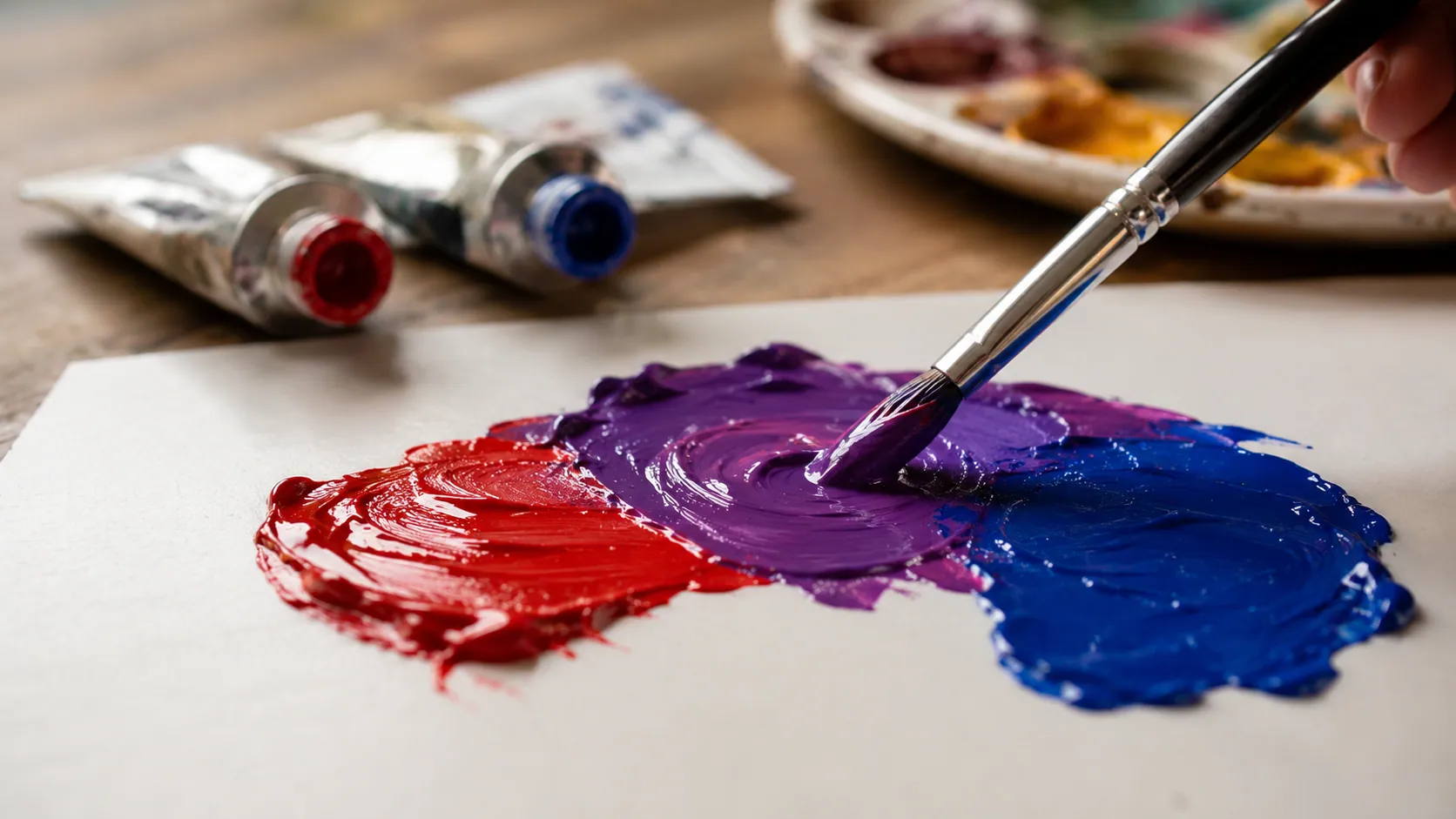
Red and blue are two vibrant primary colors that, when combined, create a whole new world of hues. This printable is a fun and educational way to explore the magic of color mixing, perfect for engaging young minds and encouraging creativity.
Key Details and Prerequisites
The printable focuses on the basic concept of combining red and blue, an essential skill for preschool and kindergarten-aged children. It provides a simple and enjoyable way to introduce color theory and the concept of creating secondary colors. This activity is suitable for little artists aged 3 to 6, although older kids may also find it engaging and beneficial for revisiting color mixing basics.
Step-by-Step Method: Creating Secondary Colors
To use this printable, you'll need some basic art supplies: crayons, markers, or colored pencils in red and blue. Here's a simple guide:
- Start by coloring a red section on the printable. Encourage your child to fill it in neatly, covering the entire area.
- Next, color the blue section. Ensure they understand to keep the colors separate and not mix them on the page.
- Now for the magic! Ask your child to gently blend the colors together where the red and blue meet. They can use their fingers, a cotton bud, or even a small paintbrush to blend and create a beautiful purple shade.
- Repeat this process with different shades of red and blue to explore the range of purples they can create.
Variations and Differences
The beauty of color mixing is the infinite range of shades and hues that can be created. While the printable focuses on red and blue, the resulting purple shades may vary depending on the intensity and darkness of the original colors. Encourage your child to experiment and observe how different reds and blues create unique purples.
- Primary color combinations can also be explored with this printable. Try combining red and yellow, or blue and yellow, to create orange and green, respectively.
Common Mistakes and How to Avoid Them
One common mistake is not keeping the colors separate initially. Remind your child to color the red and blue sections neatly and not let the colors touch. Another pitfall is over-blending, which can result in a muddy color. Guide them to blend gently and observe the color change.
Practical Tips for Accurate Results
To ensure a fun and successful experience, consider these tips:
- Use good quality coloring tools that produce vibrant colors.
- Provide a smooth, clean surface for your child to work on. A small table or a lap desk can be ideal.
- Offer guidance and supervision, especially for younger children, to ensure they understand the concept and follow the steps.
- Print the color mixing printable on A4 or US Letter paper, depending on your printer's settings. Using a heavier weight paper can prevent bleeding and ensure a neat result.
- If using digital tools, ensure the printable is in a format compatible with your software, such as PDF or JPEG.
Well, that's a wrap on our coloring adventure! We've covered the basics of combining red and blue, and now you're ready to create some awesome art. Remember, every artist and their tools are unique, so always check your specific requirements and make sure you've got the right setup before you begin.
Feel free to explore our other guides and resources; we've got plenty of fun and creative ideas to keep you inspired. Happy coloring, and we hope to see you again soon!
Images