Simple Guide to ESL Worksheets on Family
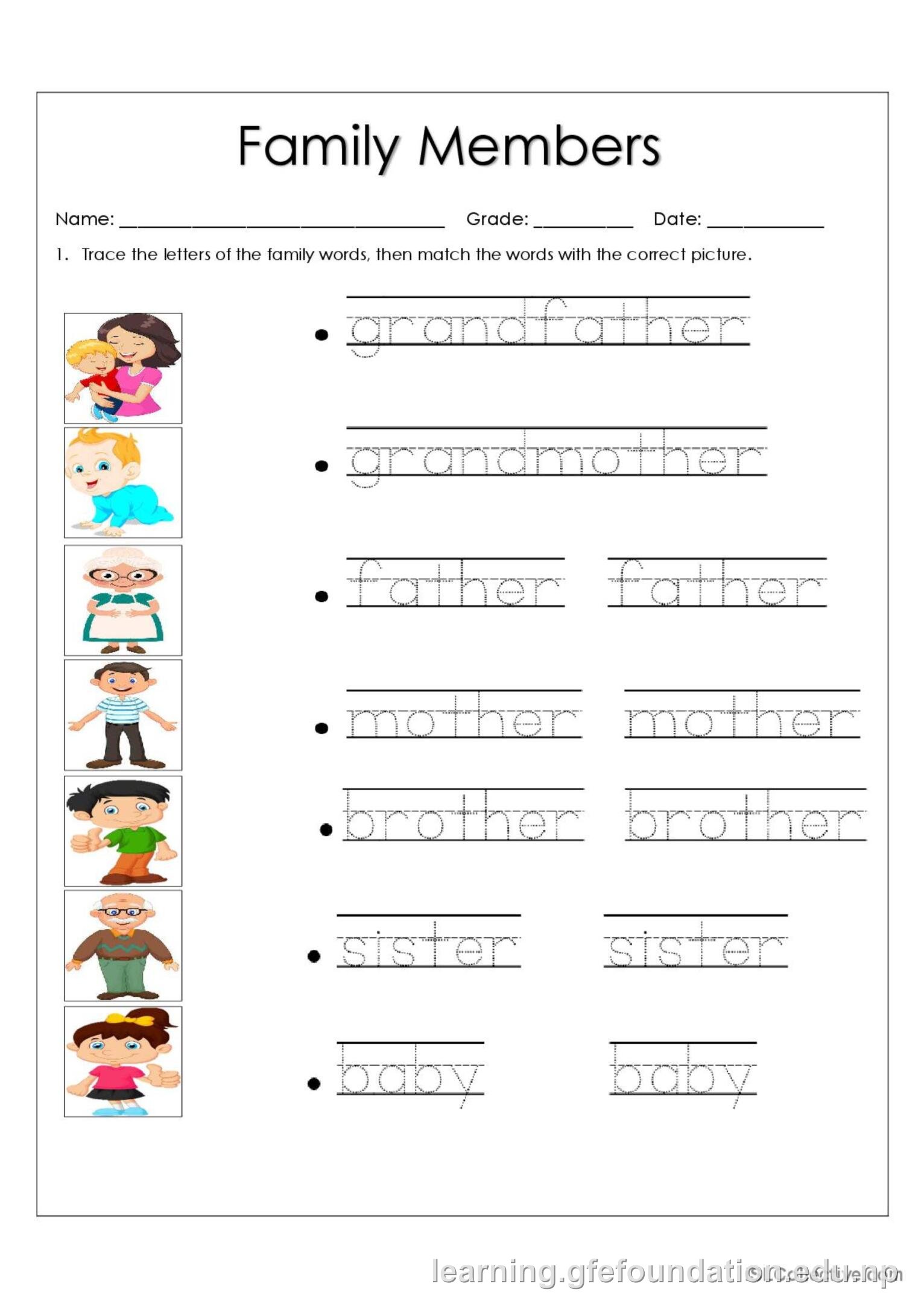
Explore our collection of "ESL worksheets on family" for an engaging learning experience. Printable resources with simple tips to make learning fun and interactive. Try them out today!
A common misconception about esl worksheets on family is that they are solely for young learners. While these resources are indeed great for introducing family vocabulary and relationships to kids, they are versatile and can benefit a wider range of students.
These printable activities, like an esl family tree or family vocabulary exercises, offer a fun and interactive way to engage with family-related language. Whether it's for a quick review, a hands-on lesson, or even as a take-home assignment, these esl worksheets on family can be adapted to suit various teaching styles and student needs.
ESL Worksheets on Family: A Learning Tool
ESL worksheets on family are a fantastic resource for teaching and reinforcing family-related vocabulary and concepts. These worksheets are designed to engage students and provide an interactive learning experience. They are commonly used in ESL (English as a Second Language) classrooms but can also be a great tool for parents teaching their children at home.
Comparing Worksheet Formats and Styles
There are various types of family-themed worksheets available, each with its own unique focus and design. Some worksheets may have a more traditional layout, featuring exercises like fill-in-the-blanks or matching family members to their descriptions. Others might be more interactive, incorporating puzzles, crosswords, or even board game-style activities. The choice of format often depends on the age and skill level of the students.
Using ESL Family Worksheets: A Step-by-Step Guide
Here's a simple process to effectively utilize these worksheets:
Select the Right Worksheet: Choose a worksheet that aligns with your teaching goals and the students' abilities. Consider the vocabulary and concepts you want to cover.
Introduce the Topic: Before handing out the worksheet, engage the students with a brief discussion or activity related to family. This could be a simple icebreaker or a short story about families.
Explain the Worksheet: Clearly explain the instructions and the purpose of the activity. Ensure students understand the task at hand.
Complete the Worksheet: Allow students to work individually or in pairs. Circulate around the room to provide assistance and answer questions.
Review and Discuss: Once everyone has finished, review the answers as a class. Encourage students to share their thoughts and experiences related to the family theme.
Extend the Learning: To further engage students, you can follow up with a related activity. This could be a family-themed art project, a role-play activity, or a simple game.
Common Pitfalls and How to Avoid Them
One common mistake is assuming that all students have the same level of prior knowledge about family structures and relationships. It's important to be mindful of cultural differences and ensure that the worksheet is inclusive and sensitive to diverse family dynamics. Another pitfall is overcomplicating the worksheet, which can lead to frustration and disengagement. Keep the activities simple and focused.
Factors Affecting Effectiveness
Several key factors can influence the success of your ESL family worksheet activity:
- Age and Skill Level: Choose worksheets suitable for your students' age and language proficiency.
- Cultural Sensitivity: Be mindful of diverse family structures and avoid assumptions.
- Engagement: Opt for interactive and varied activities to keep students interested.
- Clear Instructions: Ensure the worksheet is easy to understand and follow.
Adapting Worksheets for Different Needs
ESL worksheets on family can be customized to suit various learning styles and needs. For younger students or those with lower language proficiency, consider using simpler vocabulary and more visual aids. On the other hand, older students or advanced learners might benefit from more complex exercises, such as writing prompts or creative projects related to family traditions or histories.
Keeping Your Resources Reliable
To ensure you have a reliable collection of family-themed worksheets for future use, consider the following:
- Organize and Save: Create a dedicated folder or binder for your worksheets, labeling them clearly for easy retrieval.
- Update and Adapt: Regularly review your collection and update or adapt worksheets to align with changing curriculum needs or student progress.
- Share and Collaborate: Engage with other ESL teachers or educators to exchange resources and ideas. This can help you expand your collection and gain new perspectives.
By following these practical tips and guidelines, you can effectively utilize ESL worksheets on family to enhance your teaching and support your students' language learning journey. Remember, these worksheets are versatile tools that can be adapted to suit different ages, skill levels, and cultural backgrounds.
Hey there, we've covered a lot of ground with these ESL worksheets! Remember, each teaching resource can be tailored to your unique needs, so don't be afraid to make adjustments.
The key is to keep things simple and fun for your students, and with these worksheets, you've got a great foundation. Every person and printer is a little different, so you might need to tweak things slightly to get the best results. But that's the beauty of it - you can make these resources your own!
Feel free to explore our other guides for more inspiration and ideas. And when you need a quick refresher, be sure to bookmark this page for easy access. Happy teaching!
Images


