Estate Planning Legal Forms: Your Printable Guide

Explore our easy-to-use estate planning legal forms. Print and use them now to take control of your future with simple, effective tools. Get started today!
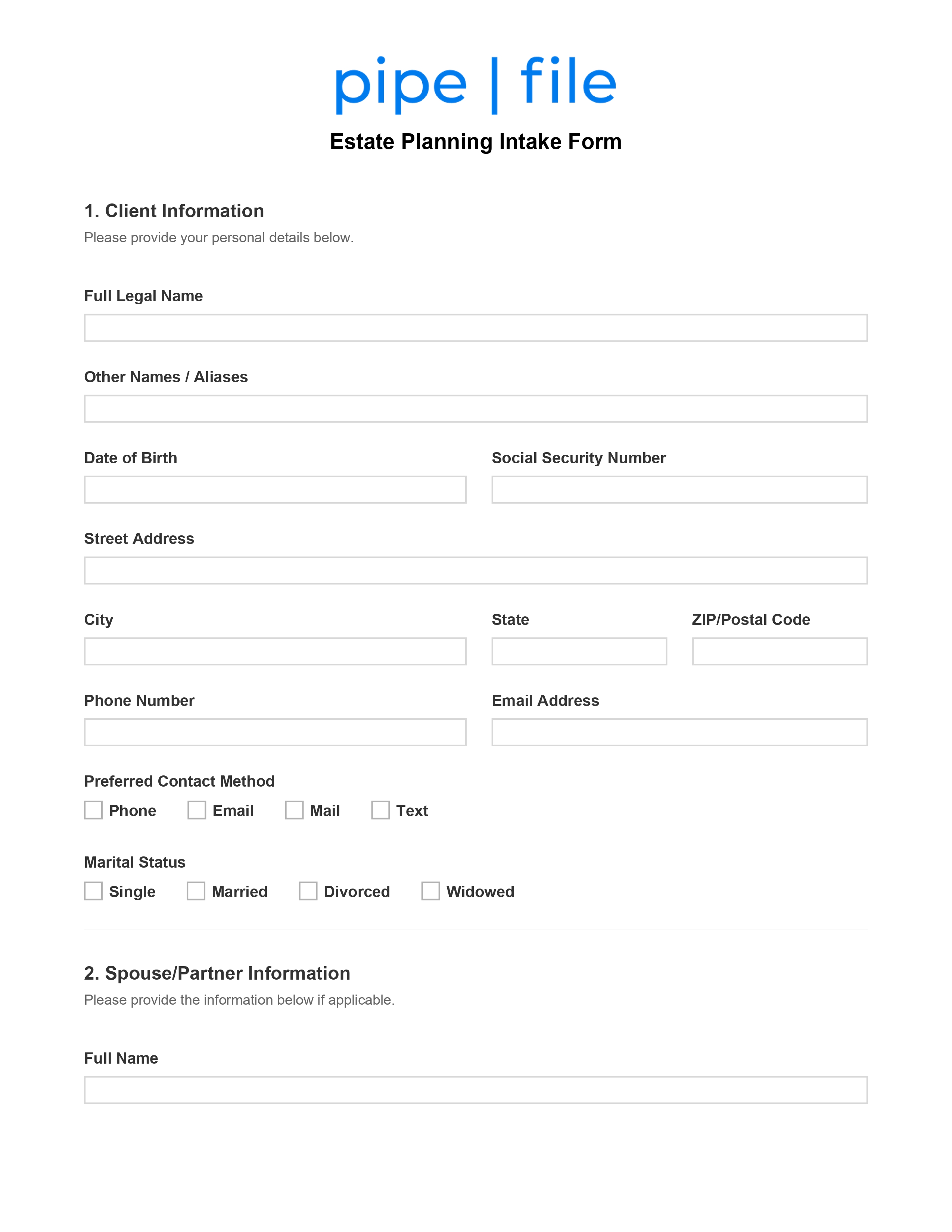
Many individuals mistakenly perceive estate planning legal forms as complex and intimidating, often delaying their completion. However, these forms are designed to be accessible and straightforward, ensuring a smooth process for organizing your affairs.
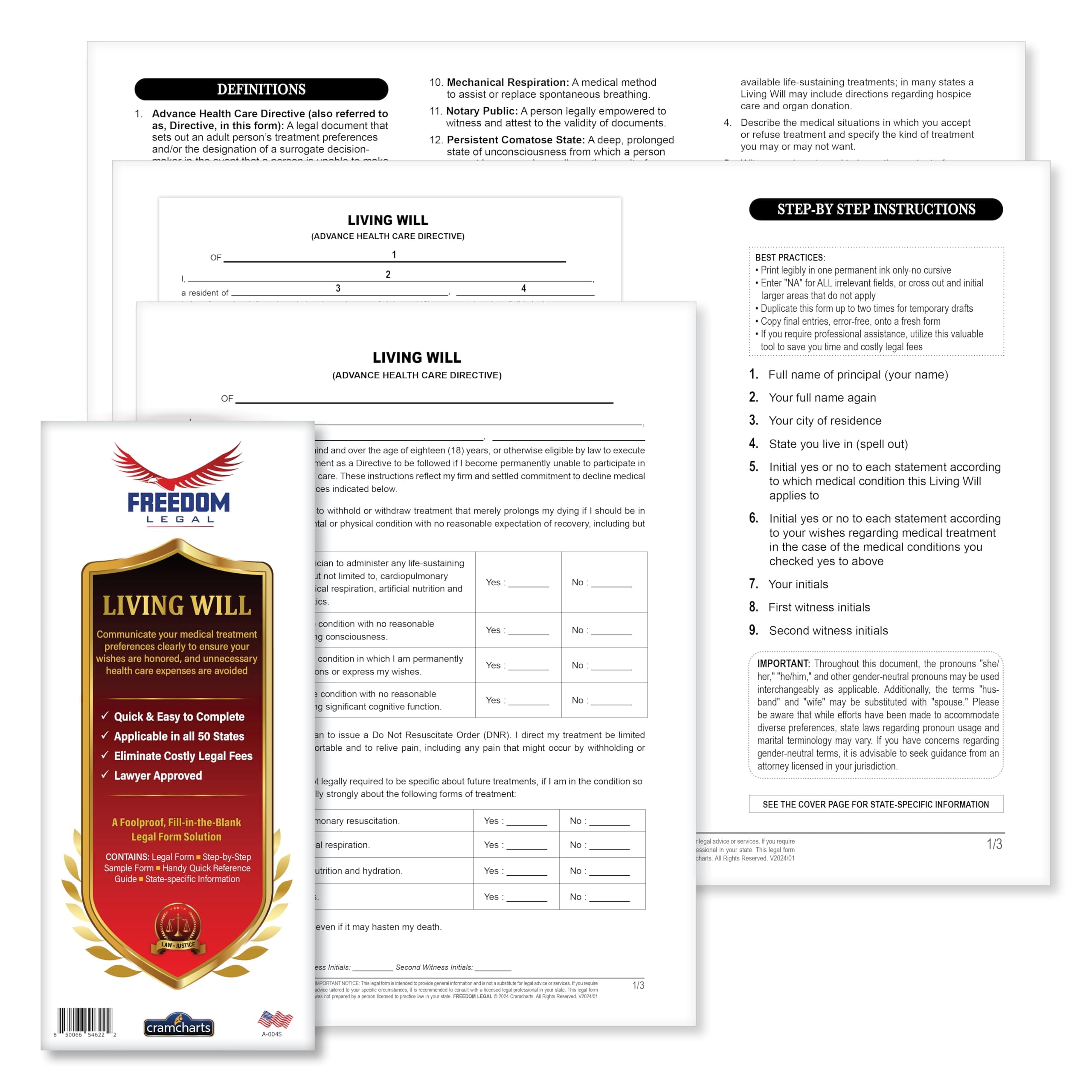
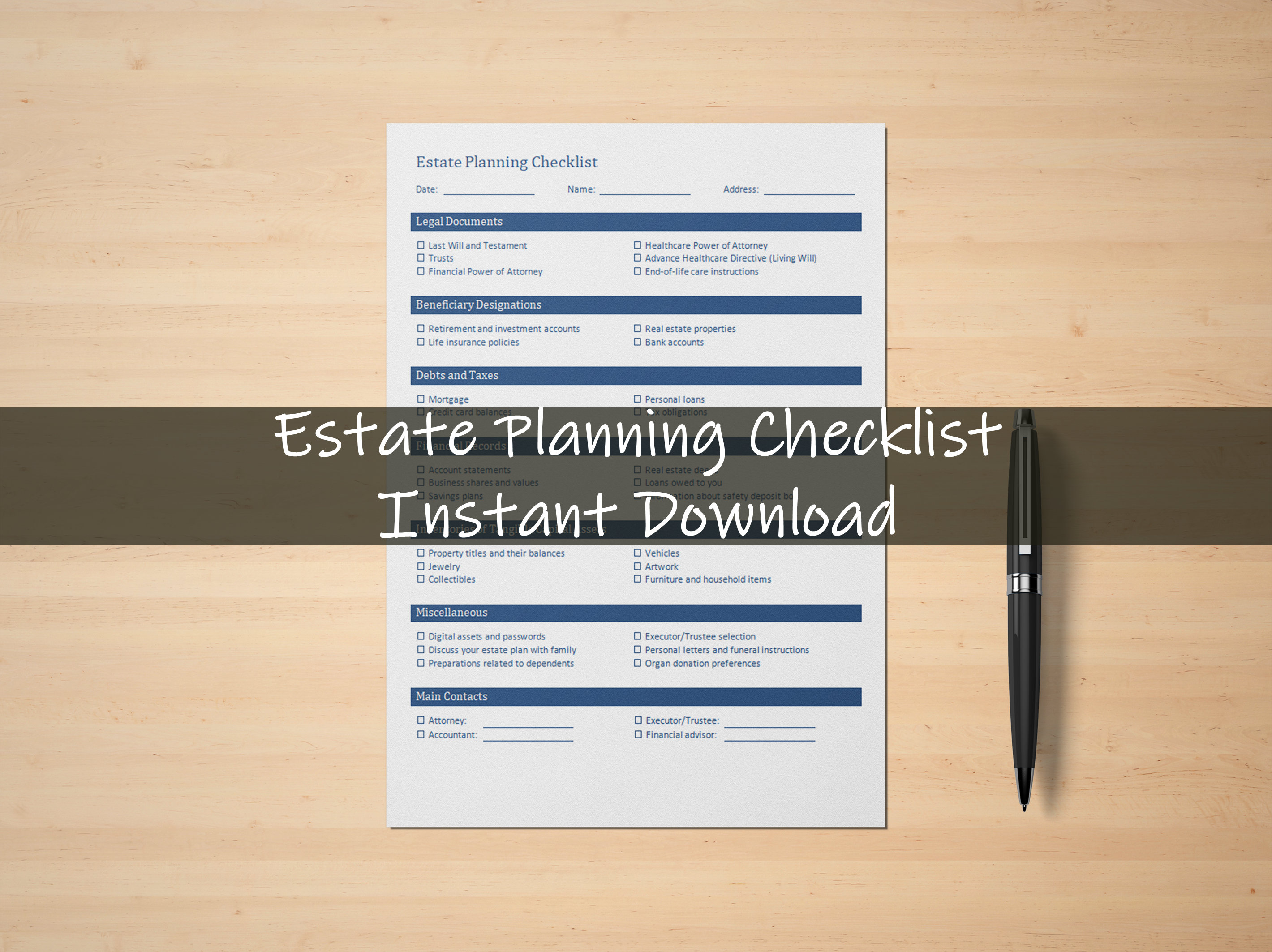
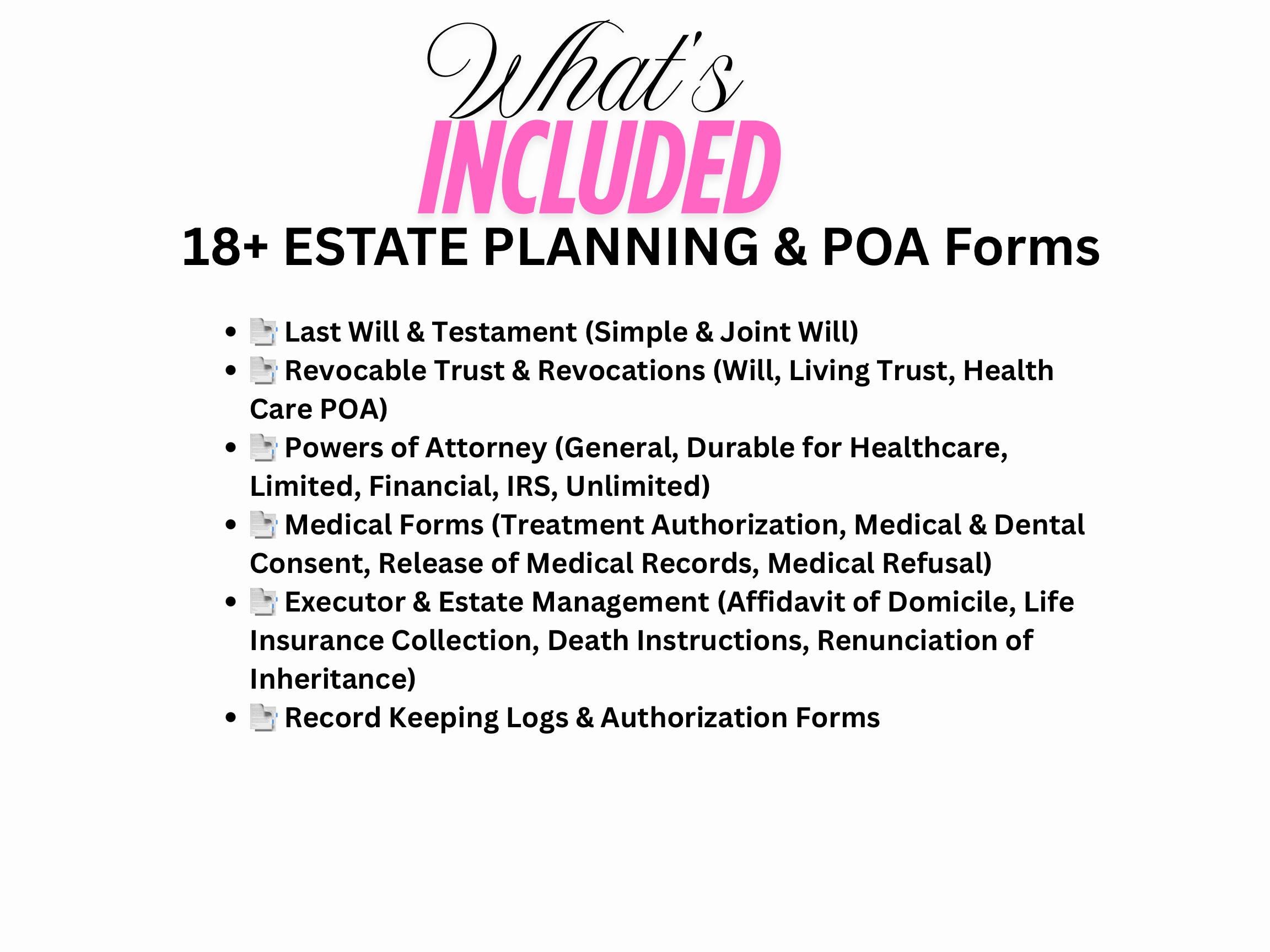
With a variety of templates and resources available, including will planning templates and customizable will forms, you can easily find a format that suits your needs. These legal documents are an essential step towards ensuring your wishes are respected and your loved ones are taken care of.
Estate Planning Forms: A Practical Overview
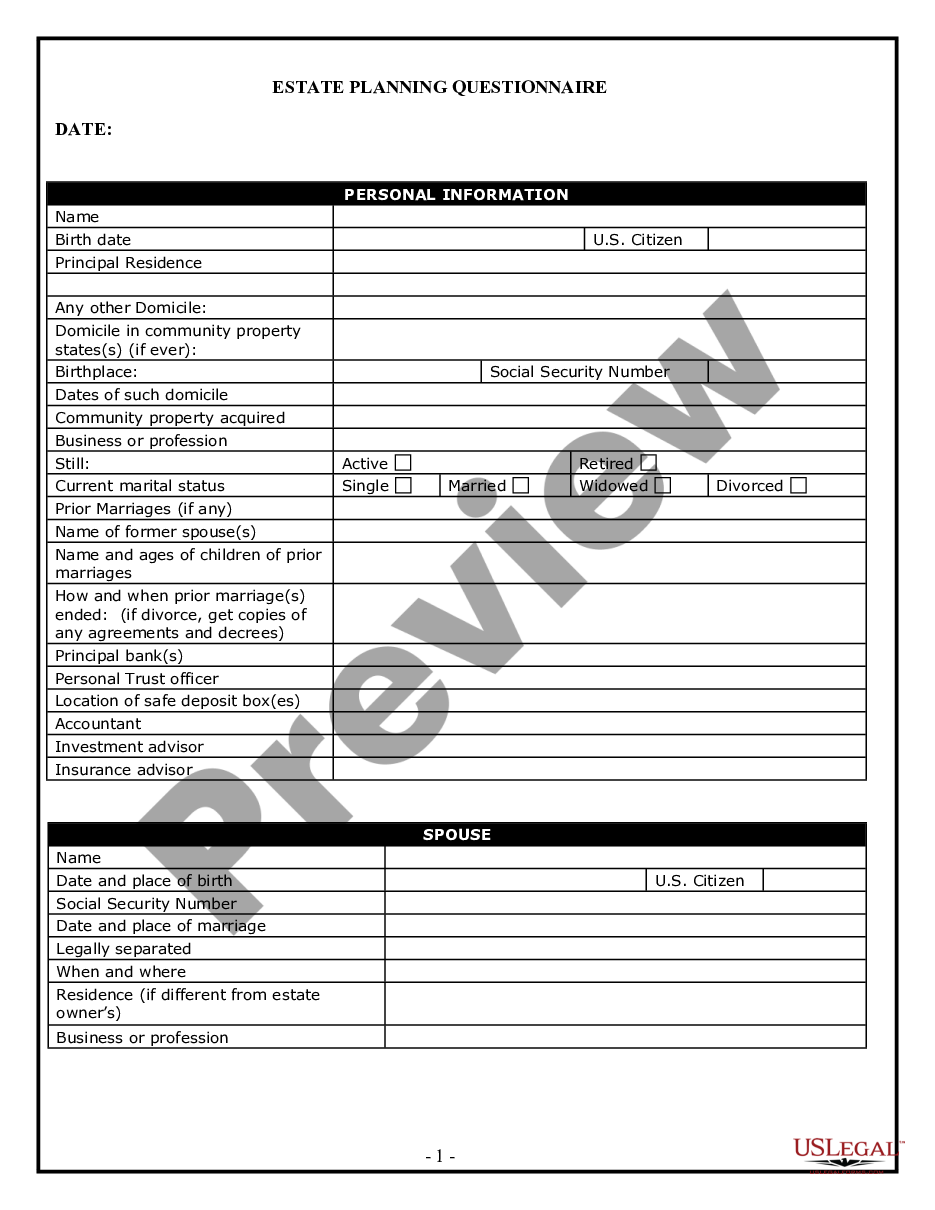
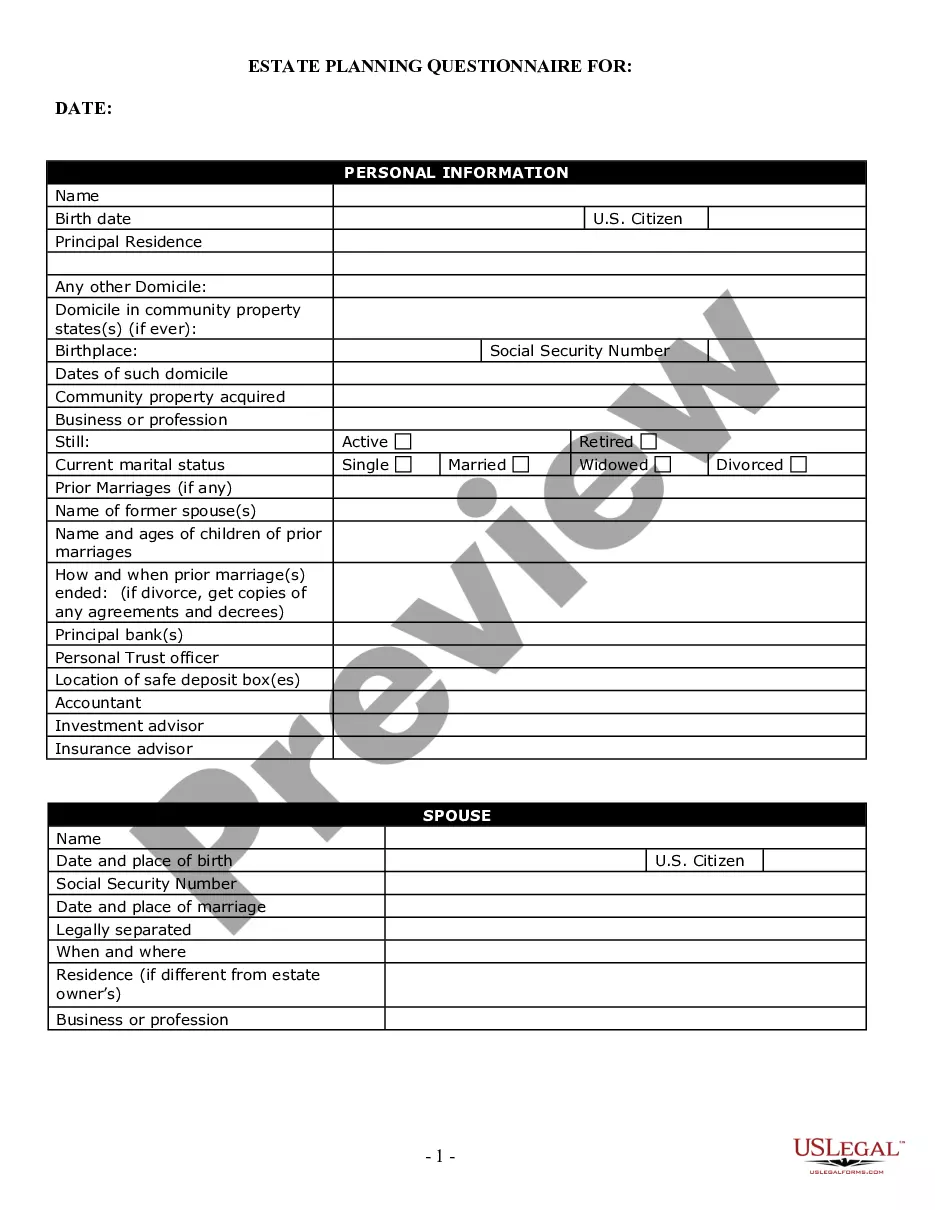
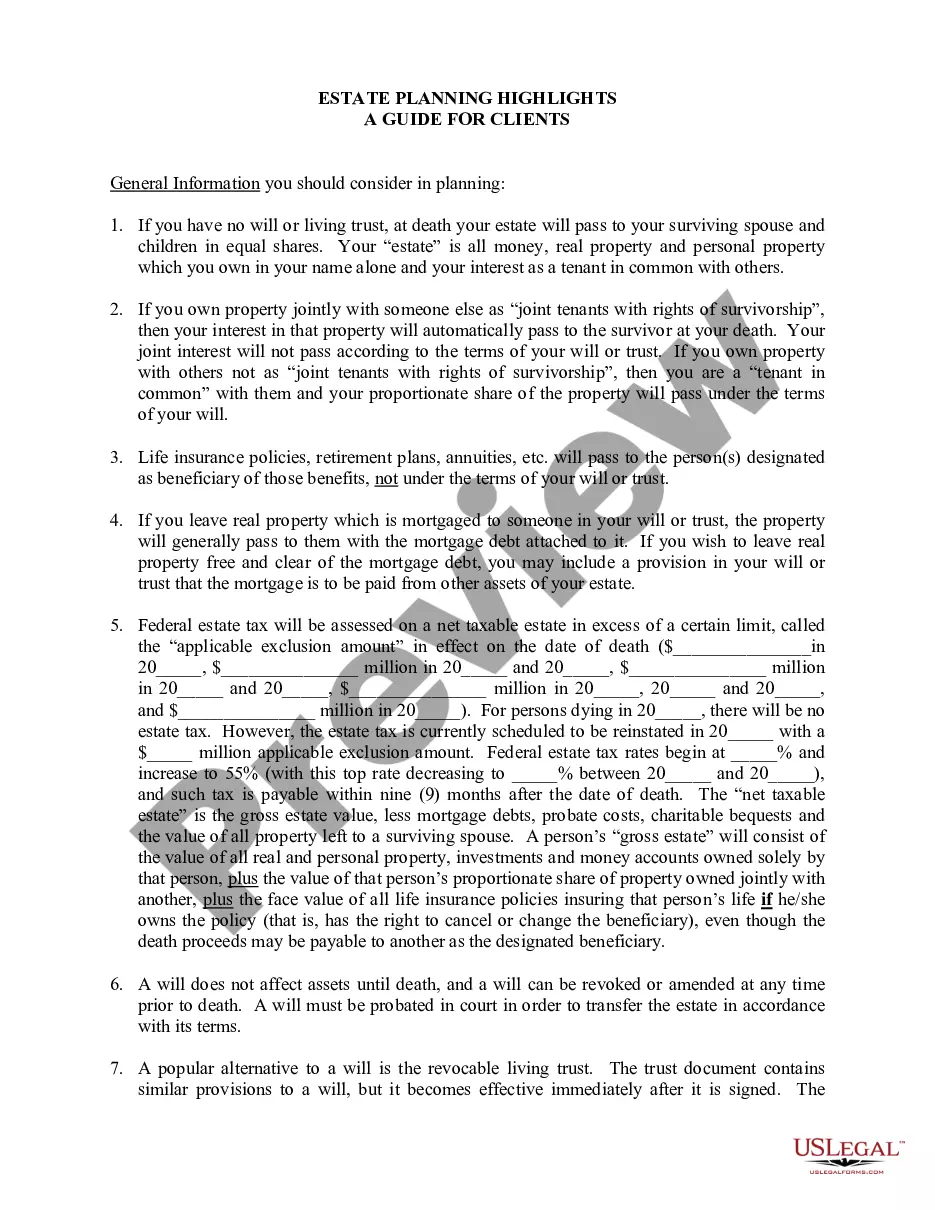
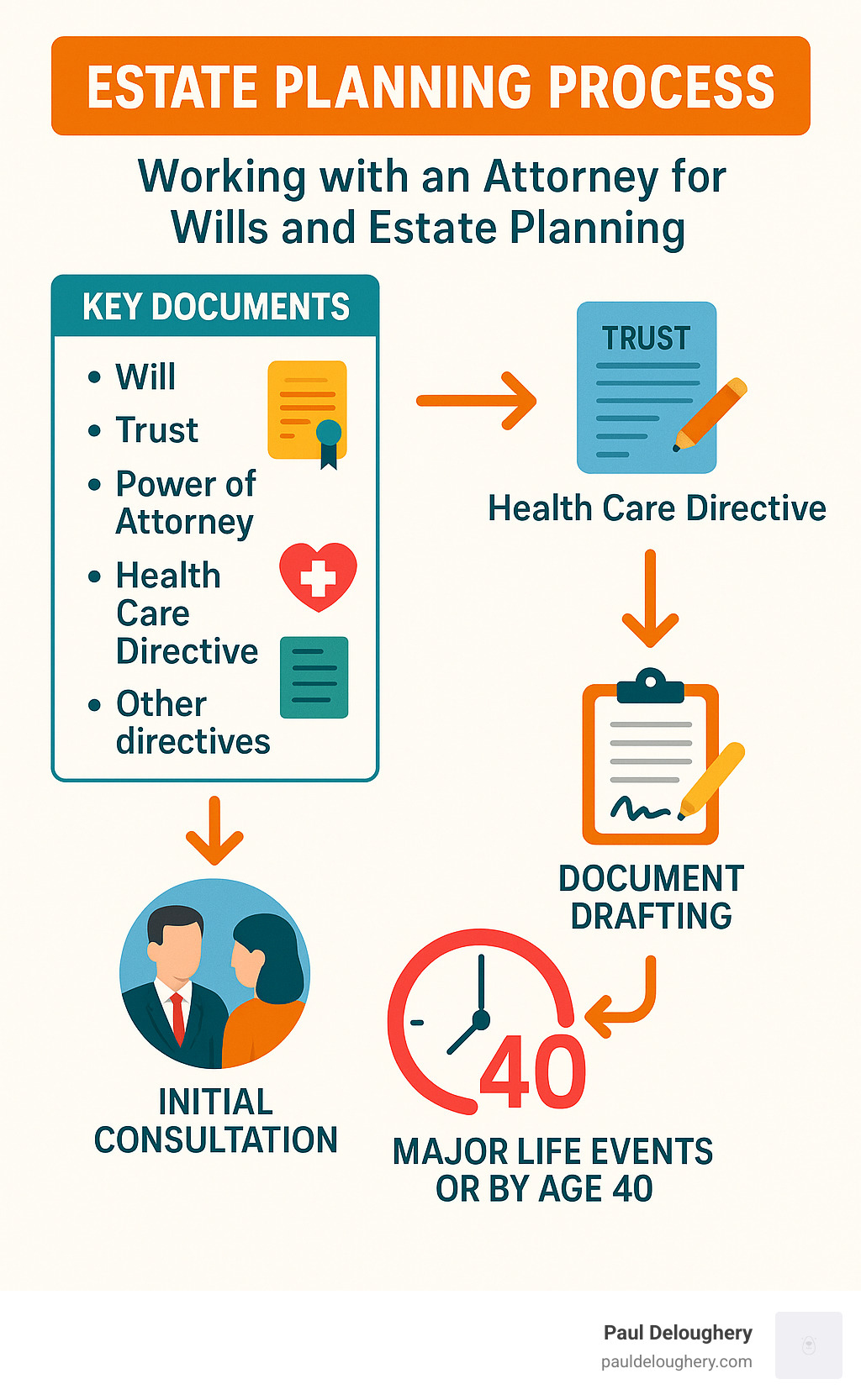
Estate planning legal forms are an essential tool for anyone looking to organize and protect their assets and wishes for the future. These forms provide a structured way to outline your intentions and ensure your wishes are carried out according to your preferences.
Comparing Formats and Options
There are various formats available for estate planning legal forms, each serving different purposes and offering varying levels of customization. Common options include will planning templates, customizable will forms, and legal documents specifically designed for end-of-life planning. These forms can be found in PDF or digital formats, offering flexibility and ease of use.
Step-by-Step Guide to Using Estate Planning Forms
Using estate planning legal forms is a straightforward process, but it requires careful consideration and attention to detail. Here's a simple guide to help you navigate this important task:
Choose the Right Form: Select a form that aligns with your specific needs and the complexity of your estate. Consider factors such as the number of assets, beneficiaries, and any unique circumstances.
Gather Information: Before filling out the form, gather all relevant details, including asset information, beneficiary details, and any specific instructions or preferences you wish to include.
Read and Understand: Take the time to read and comprehend the form thoroughly. Estate planning forms often contain legal terminology, so ensure you grasp the meaning and implications of each section.
Fill Out Accurately: Complete the form with precision, providing clear and concise information. Leave no blanks or ambiguous entries, as this could lead to potential issues in the future.
Review and Revise: After completing the form, review it carefully. Check for any errors, typos, or inconsistencies. It's advisable to have a trusted friend or legal professional review it as well to ensure accuracy and legality.
Sign and Date: Once satisfied with the form, sign it in the presence of witnesses (if required by law) and ensure they sign and date it too. This step formalizes your estate plan and gives it legal validity.
Store Safely: Keep your completed estate planning forms in a secure and easily accessible location. Consider making multiple copies and storing them in different places, such as a safe deposit box or with a trusted family member.
Common Misunderstandings and How to Avoid Them
One common misunderstanding is the belief that estate planning is only necessary for the wealthy. In reality, estate planning legal forms are beneficial for individuals of all financial backgrounds. Another pitfall is assuming that once the forms are filled out, the process is complete. Regularly reviewing and updating your estate plan is crucial to account for life changes, such as marriage, divorce, or the birth of children.
Key Factors for Effective Estate Planning
Legal Compliance: Ensure your estate planning forms adhere to the legal requirements of your jurisdiction. Research and understand the specific laws and regulations governing wills and estate planning in your area.
Clear Communication: Use straightforward language and avoid ambiguity. Ensure your wishes are conveyed clearly and unambiguously to avoid any misinterpretation.
Regular Updates: Life is dynamic, and your circumstances may change. Regularly review and update your estate plan to reflect any significant life events or changes in your assets or beneficiaries.
Witnesses and Notarization: Depending on your location, having witnesses or notarizing your will may be necessary for it to be legally valid. Research and understand the requirements in your area.
Adapting Estate Planning Forms to Your Needs
Estate planning legal forms are versatile and can be tailored to suit your unique circumstances. If you have a simple estate with few assets and a straightforward family structure, a basic will planning template may suffice. However, if your estate is more complex, with multiple assets, businesses, or unique circumstances, a customizable will form or a more comprehensive legal document may be required.
Keeping Your Estate Plan Up-to-Date and Reliable
Maintaining an up-to-date estate plan is crucial to ensure its effectiveness and reliability. Set reminders to review your plan annually or whenever significant life changes occur. Keep a record of any updates and changes made, and ensure your trusted family members or legal advisors are aware of these modifications. Regularly check the contact information of your beneficiaries and update it as needed. By staying organized and proactive, you can rest assured that your estate plan accurately reflects your wishes and provides peace of mind for your loved ones.
Estate planning is a complex process, and having the right legal forms is key to ensuring a smooth and accurate outcome. Remember, every situation is unique, so take the time to review and adapt these forms to fit your specific needs.
The steps and considerations outlined in this guide should provide a solid foundation. However, it's always wise to double-check your context and consult professionals when in doubt. Keep this page bookmarked for future reference, and you'll be prepared for any estate planning tasks that come your way. Stay organized, and happy planning!
Images