Learn Fade Out and Fade In Techniques

Discover the simple steps to achieve fade out and fade in effects. Print and use our ready-made templates or follow our easy guide to create your own.
Many people assume that fade out and fade in is solely for artists or professionals, but it's an accessible and fun technique for all! It's a simple concept: you fade out an image or design, creating a smooth transition, and then you can fade in a new element, bringing it to life.
This fade out and fade in effect is an excellent way to add creativity to your projects. Whether you're a crafter, a teacher, or just someone who loves a good coloring page, this technique offers a unique twist. You can find fade-out templates and worksheets online, ready for printing, which makes it an instant, easy activity.
Fade Out and Fade In: Understanding the Technique
Fade out and fade in are powerful techniques used in various creative fields, from film and animation to photography and even printables. This guide will help you grasp the concept and its applications.
Key Details and Categories
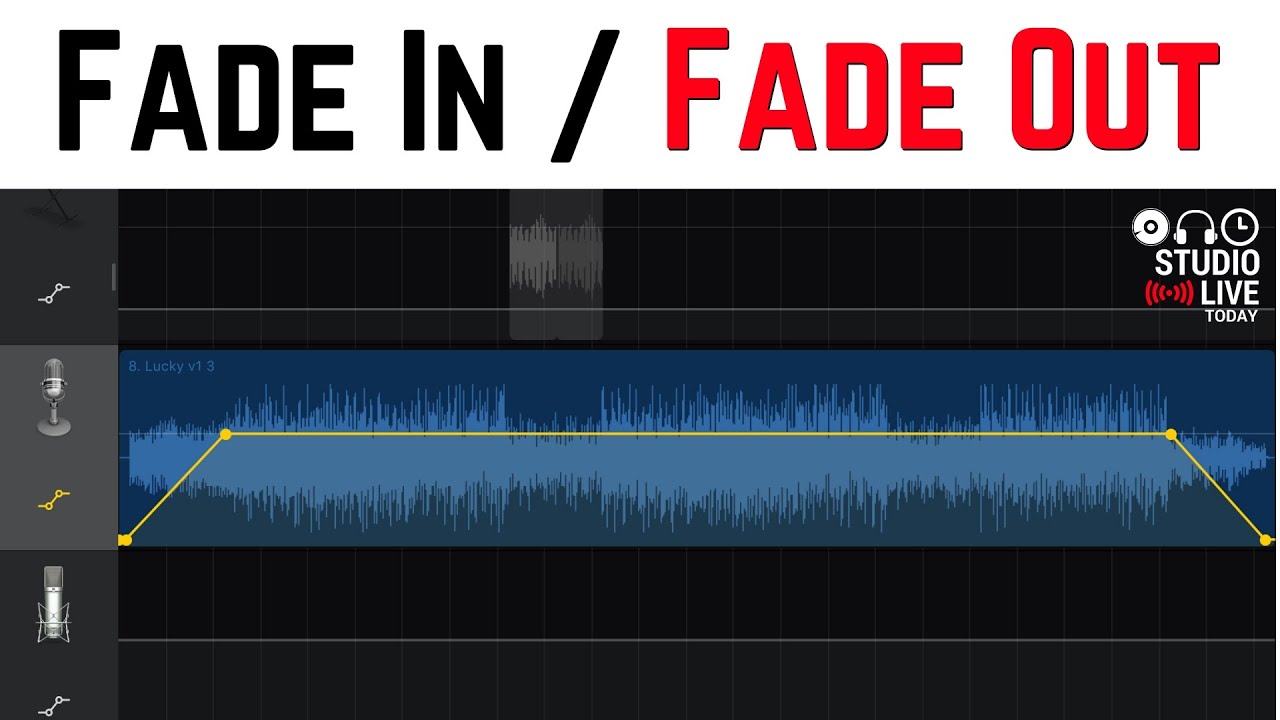
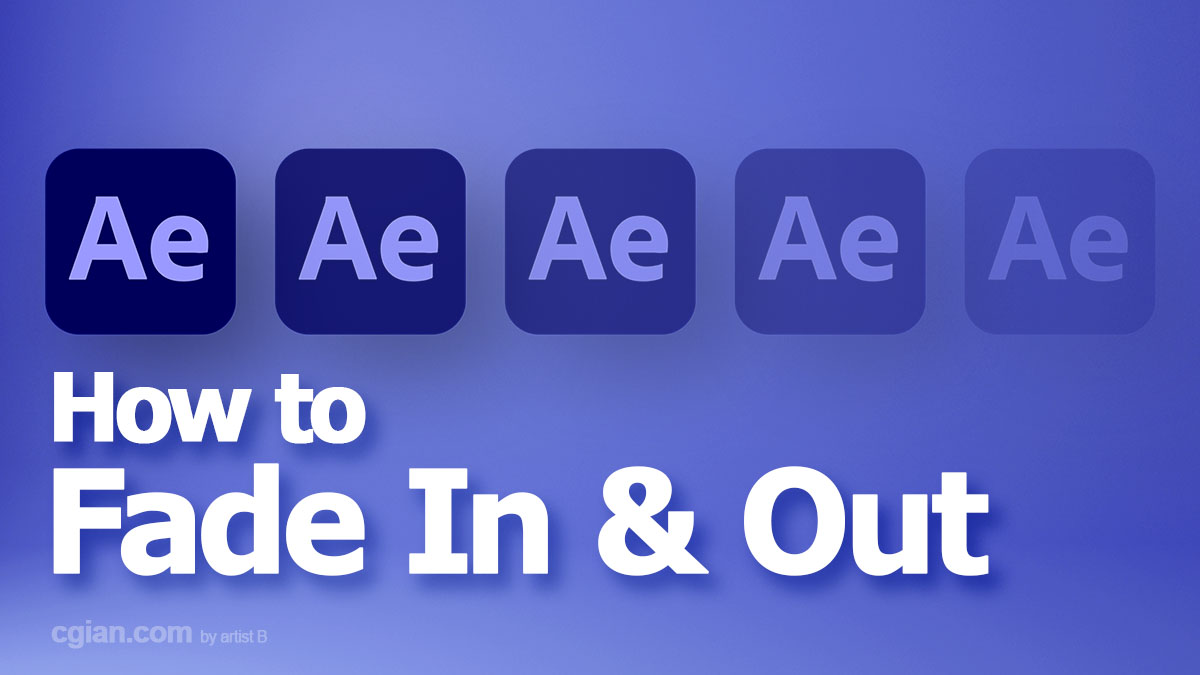
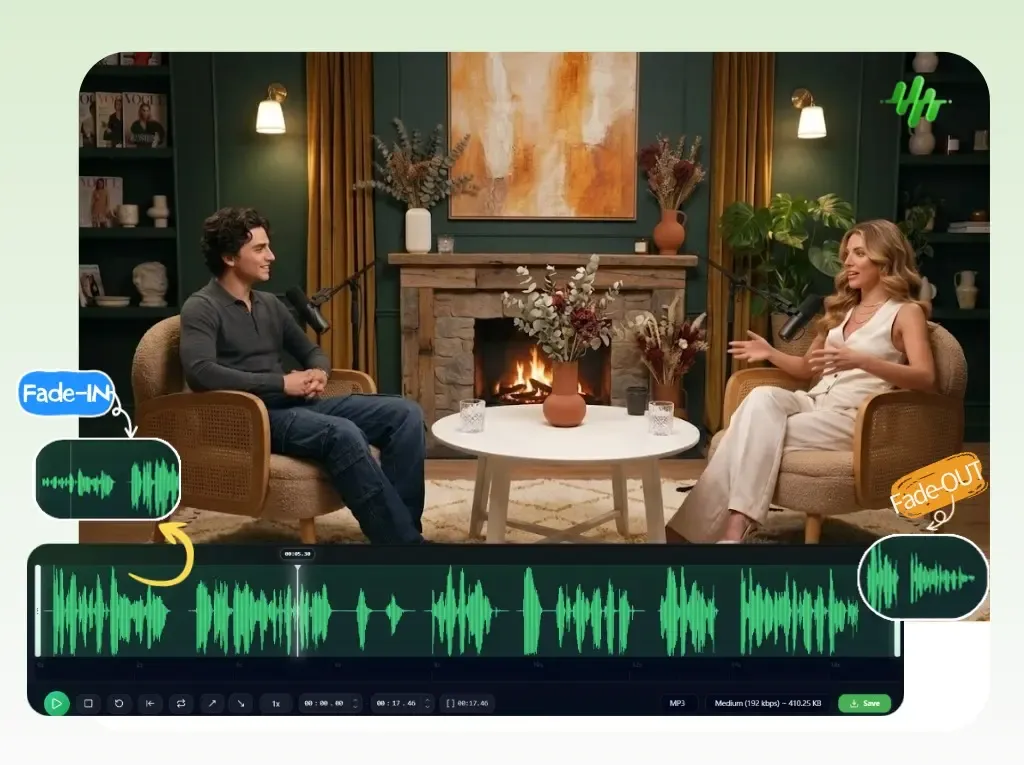
A fade, whether out or in, is a gradual transition effect. It involves a smooth change in intensity, usually of light or color, creating a seamless shift between scenes or elements. In printables, this technique can add a dynamic and professional touch to your designs.
Step-by-Step Guide to Creating Fades
To achieve a fade effect in your printable designs, follow these simple steps:
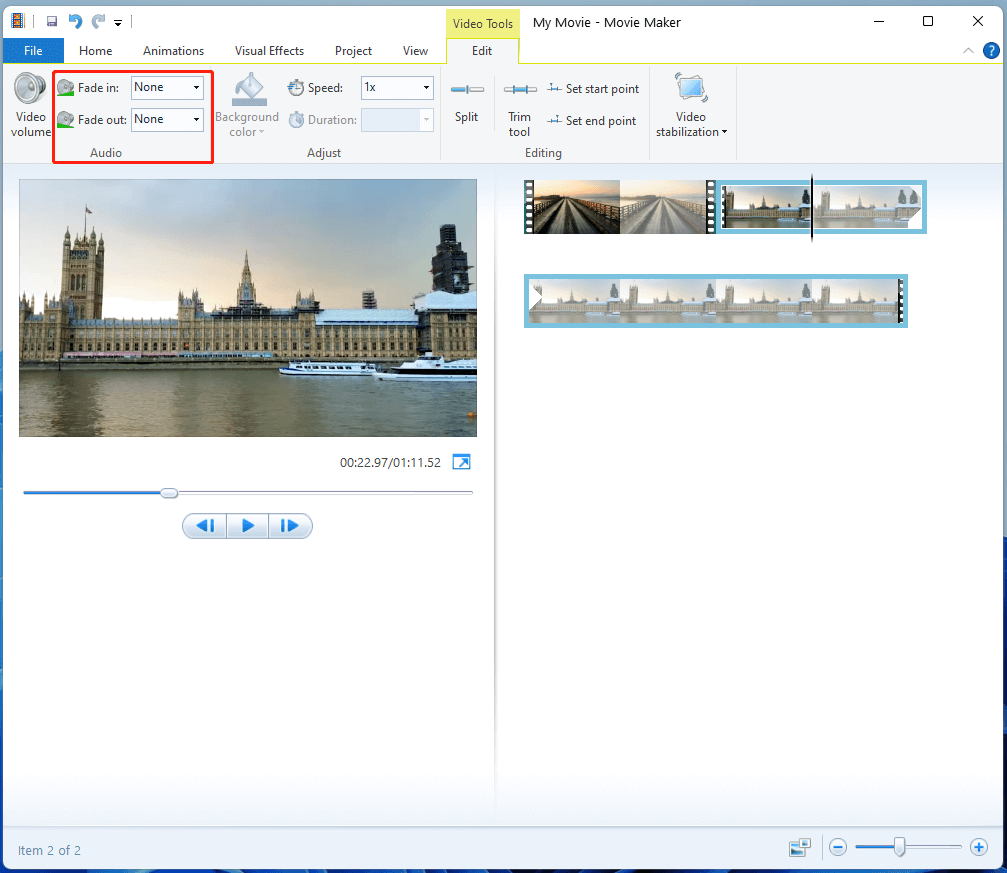
Choose the right software or editing tool. Popular options include Adobe Photoshop, Illustrator, or even Microsoft PowerPoint, which offers basic fade effects.
Select the element or background you want to fade. This could be an image, text, or a shape.
Apply the fade effect. In most software, you'll find this under "Effects" or "Transitions." Adjust the intensity and duration of the fade to suit your design.
Preview and refine. Test the fade effect by printing a draft. Adjust as needed to ensure the fade looks natural and blends well with the rest of your design.
Variations and Differences Across Standards
The fade effect can vary depending on the software and its settings. For instance, Adobe Photoshop offers a wide range of fade options, from simple linear fades to more complex radial or zoom fades. Always check your software's documentation for specific fade tools and their customization options.
Common Mistakes and How to Avoid Them
One common mistake is applying a fade effect with too much intensity, resulting in a harsh or unnatural transition. To avoid this, start with subtle adjustments and gradually increase the fade's strength until you achieve the desired effect.
Practical Tips for Accurate Results
When working with fades, consider the overall theme and purpose of your printable. A subtle fade may be more appropriate for a minimalist design, while a bold fade can add drama to a vibrant, colorful layout. Experiment with different fade styles and intensities to find the perfect balance for your project.
Double-Checking and Handling Exceptions
Before finalizing your design, always review the fade effect in both digital and printed formats. Print a test copy to ensure the fade looks as intended and that there are no unexpected color shifts or distortions. If you're using a template, ensure you have the correct file format (PDF, JPEG, or PNG) for your printing needs.
Conclusion
Mastering the fade out and fade in technique can elevate your printable designs, adding a professional touch and visual interest. With practice and a keen eye for detail, you'll create stunning transitions that engage and delight your audience.
Hey there! So, the specifics of your fade-out and fade-in project might vary slightly depending on what you're working on and the tools you're using. Remember, every person and printer is a little different, so it's always good to keep an eye on your progress and make adjustments as needed.
If you're feeling inspired and want to explore more creative projects, be sure to check out our other guides. We've got plenty of tips and tricks to help you along the way, so feel free to dive in and discover something new!
Images