How to Get Free Printable Financial Planning Worksheets?
Grab our free printable financial planning worksheets and get your finances organized. Simple tips and a ready-to-use template to get you started.
You're here because you want to get your finances in order, and what better way to start than with some free printable financial planning worksheets? These handy resources are a great way to take control of your money and create a solid plan. Whether you're looking for a budget planner or a debt repayment plan, these printables offer a simple and accessible way to manage your finances.
Financial Planning Worksheets: An Easy Organization Tool
Financial planning worksheets are a fantastic resource for anyone looking to get their finances in order. These free printable financial planning worksheets offer a simple and effective way to track and manage your money. They are especially useful for those who prefer a hands-on approach and a physical record of their financial goals and progress.
Comparing Your Options: Budget Planners vs. Financial Trackers
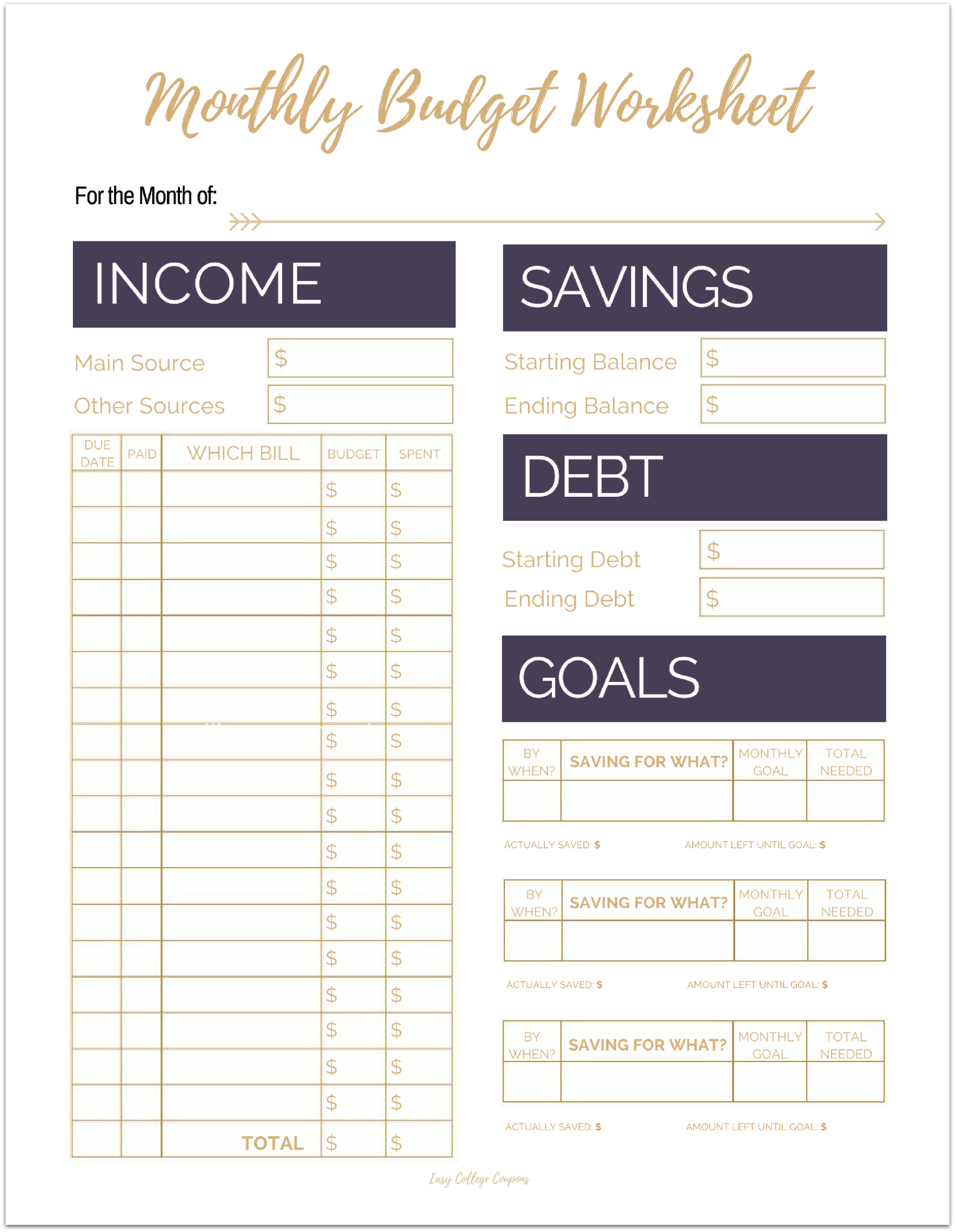
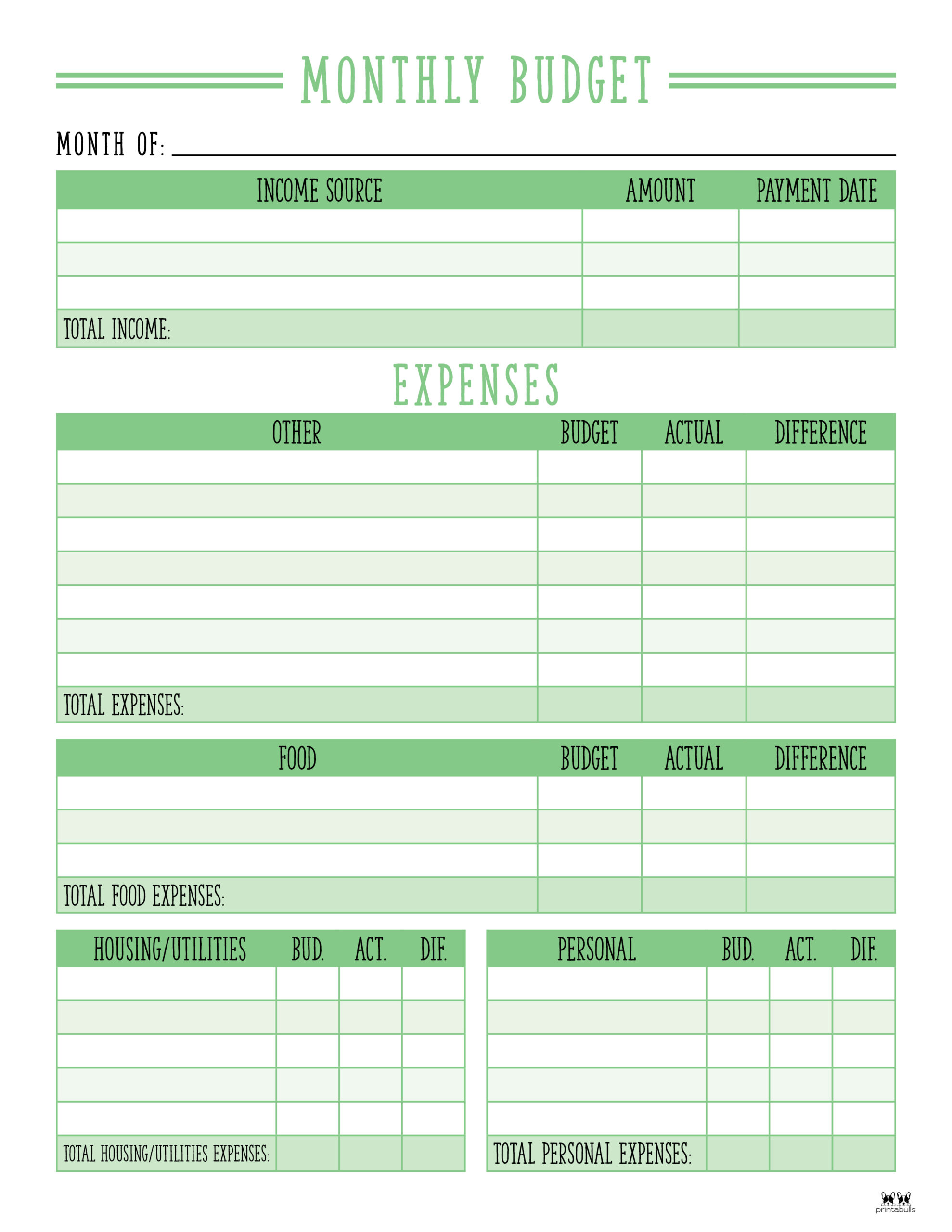
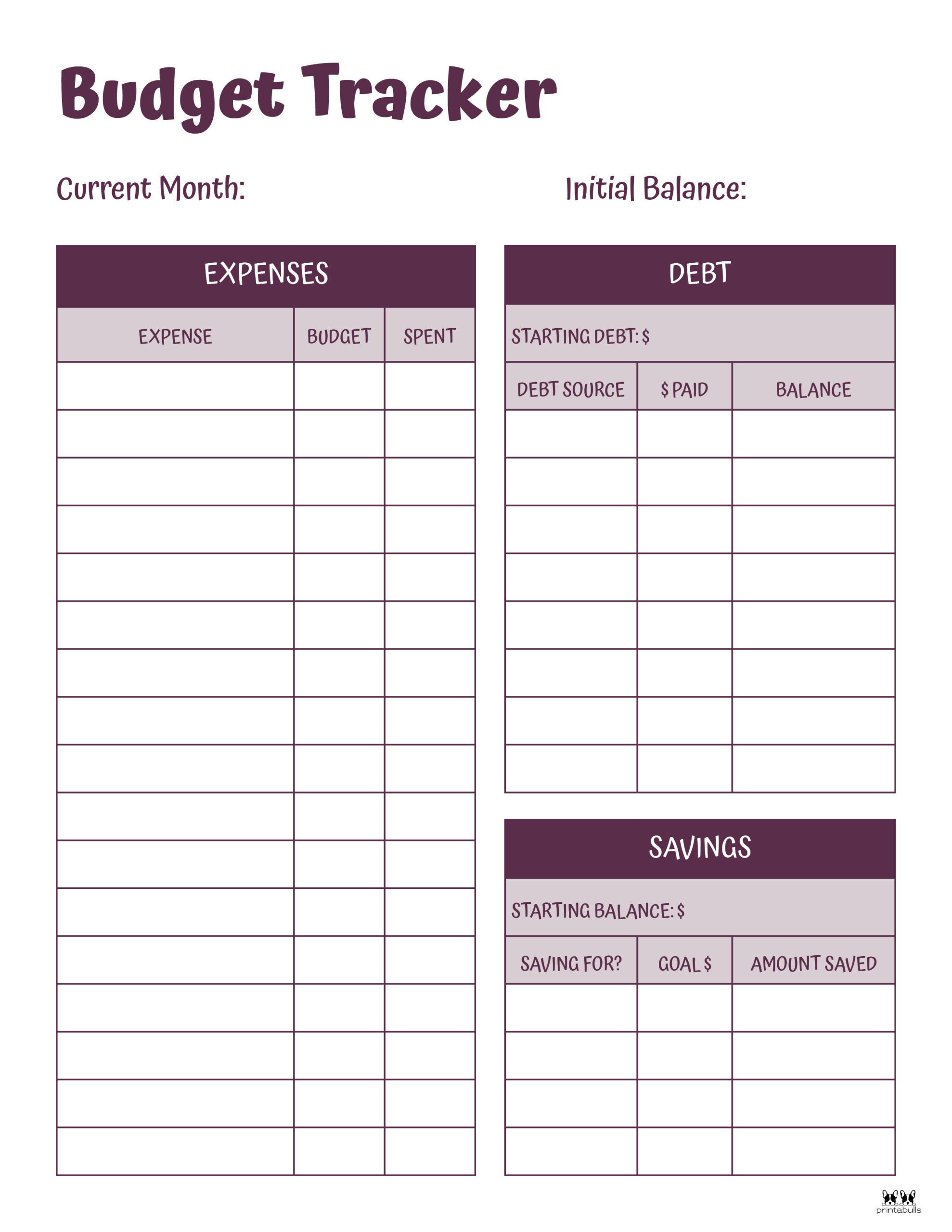
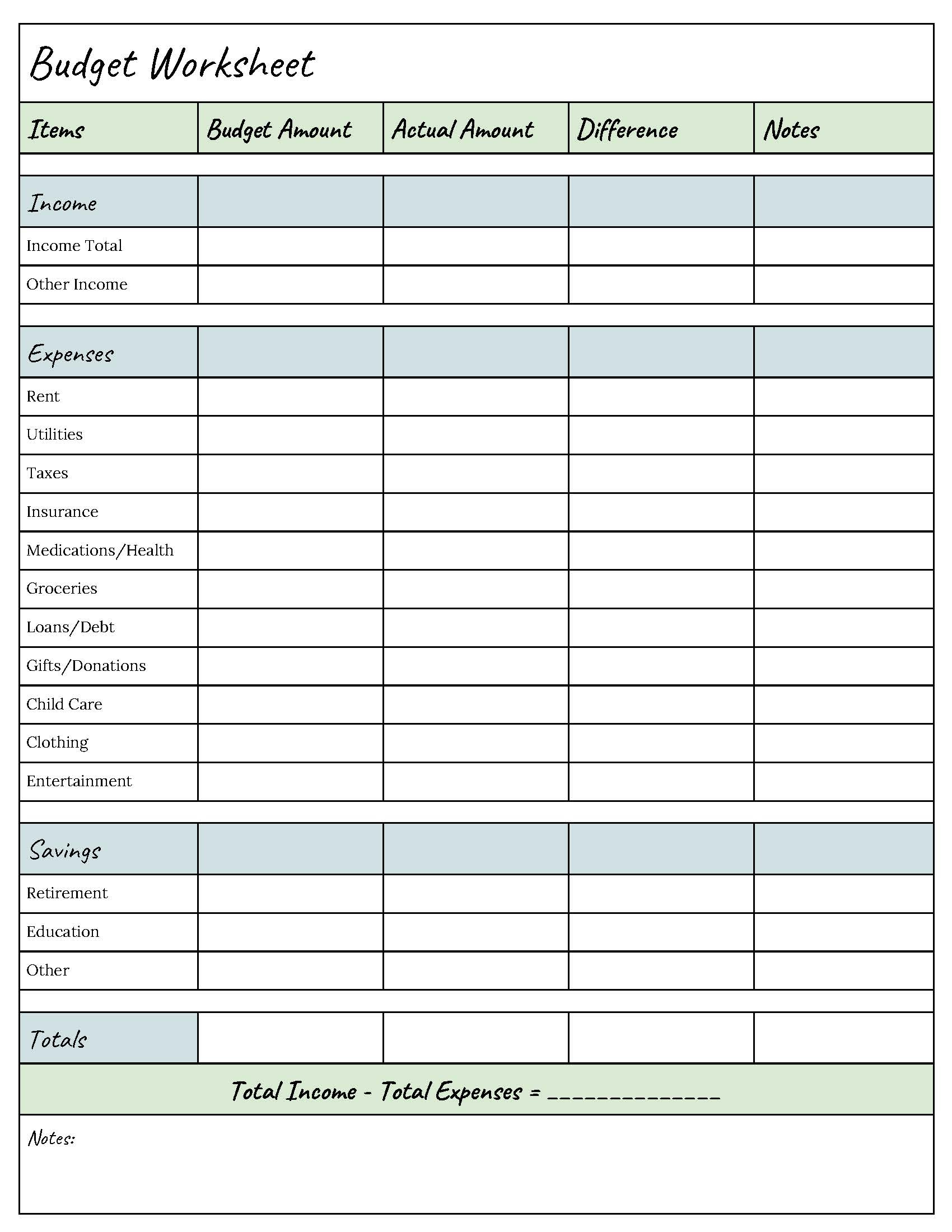
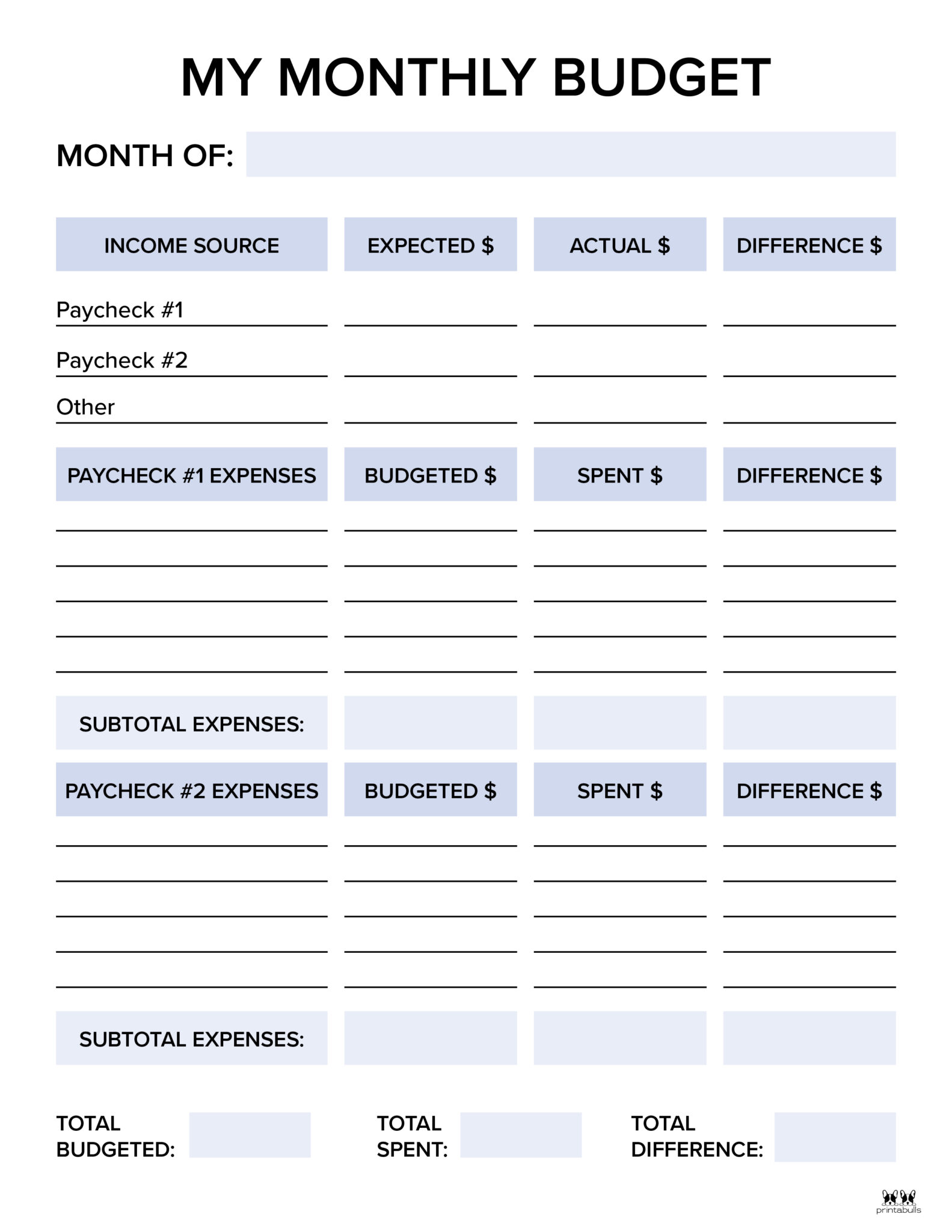
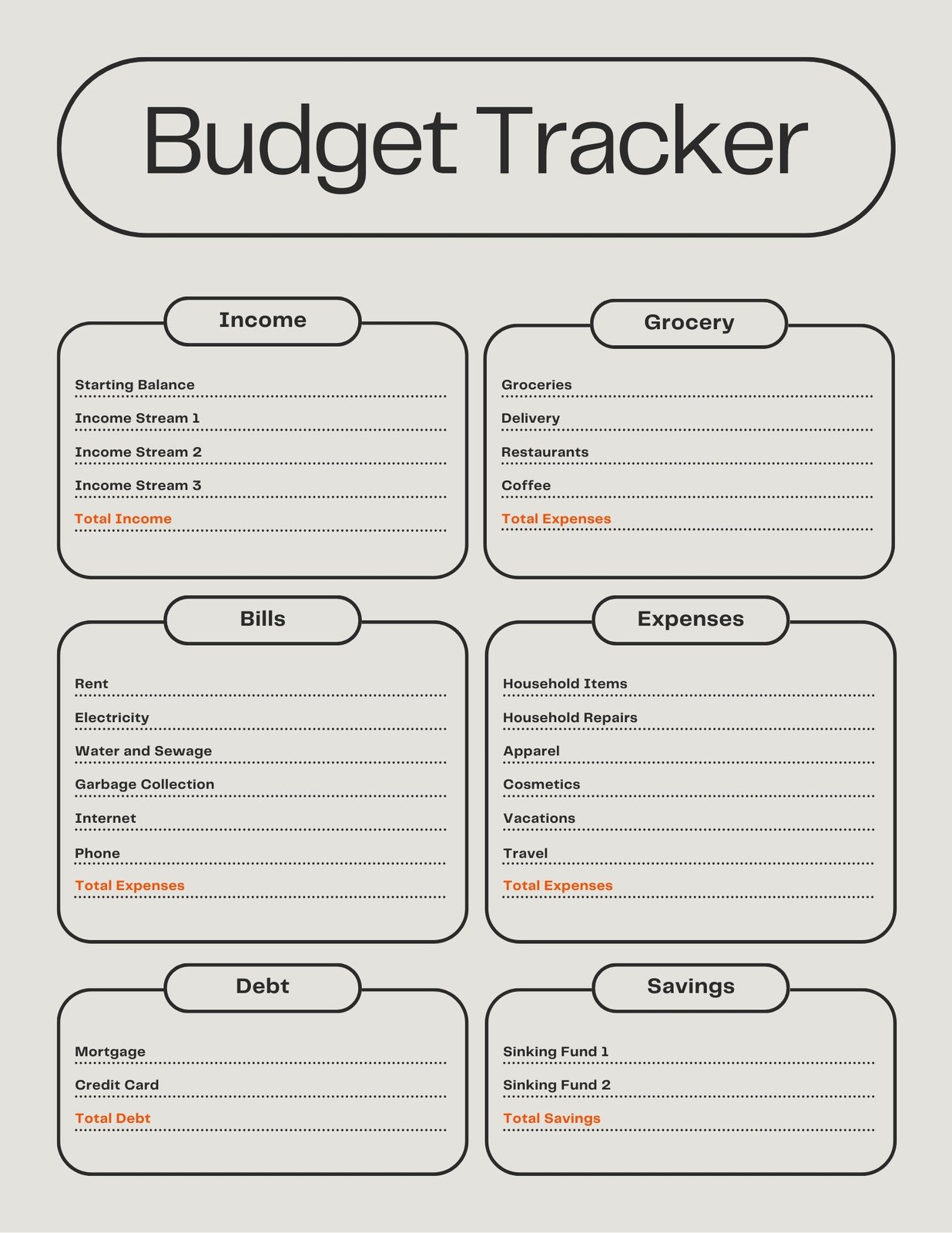
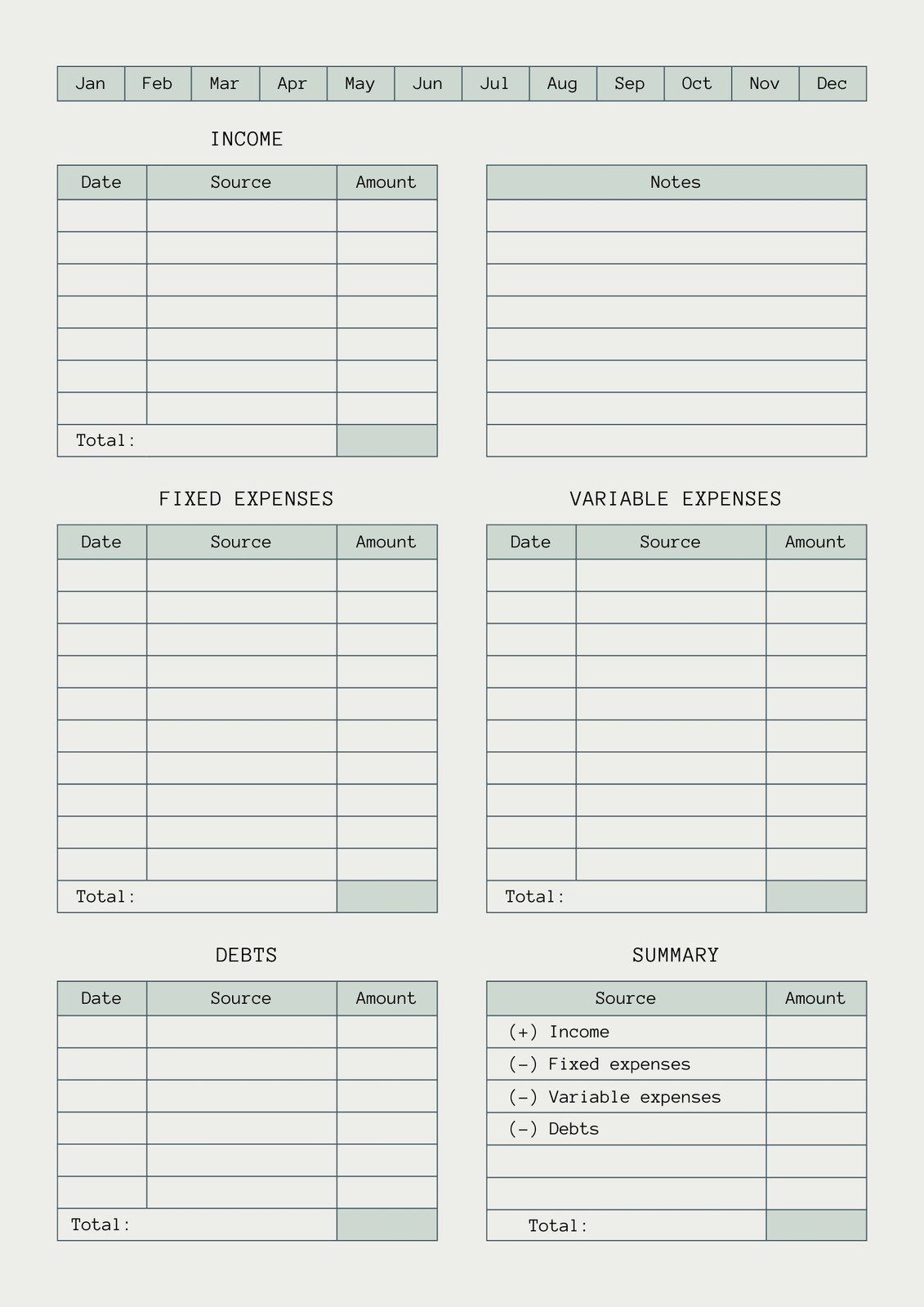
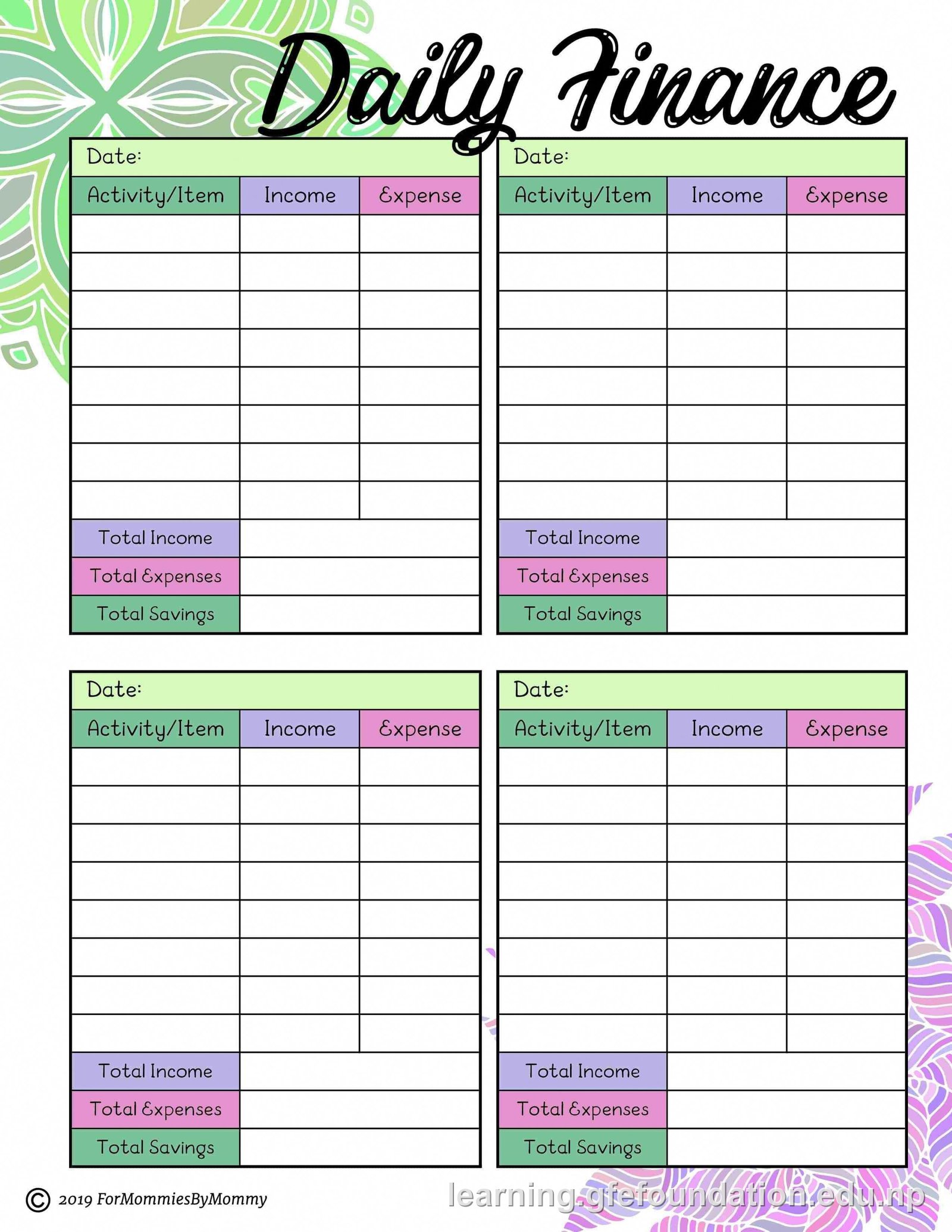
When it comes to financial planning printables, you'll often find two main types: budget planners and financial trackers. Budget planners are ideal for those who want a comprehensive overview of their income and expenses. They typically include sections for income sources, fixed and variable expenses, and savings goals. Financial trackers, on the other hand, are more detailed and focus on specific aspects of your finances. For example, you might find worksheets for tracking debt repayment, investment portfolios, or even daily spending habits.
Using Your Financial Planning Worksheet: A Step-by-Step Guide
Here's a simple process to make the most of your financial planning worksheet:
Download and print the worksheet of your choice. Ensure your printer is set to the correct paper size, either A4 size or US Letter, depending on your region.
Gather your financial documents and information. This could include bank statements, bills, and any other relevant records.
Start filling in the worksheet. Begin with your income sources and then move on to expenses. Be as detailed as possible, especially when it comes to variable expenses like groceries or entertainment.
Analyze your financial situation. The worksheet will help you identify areas where you can cut back on spending or allocate more funds. It's a great way to visualize your financial health and make informed decisions.
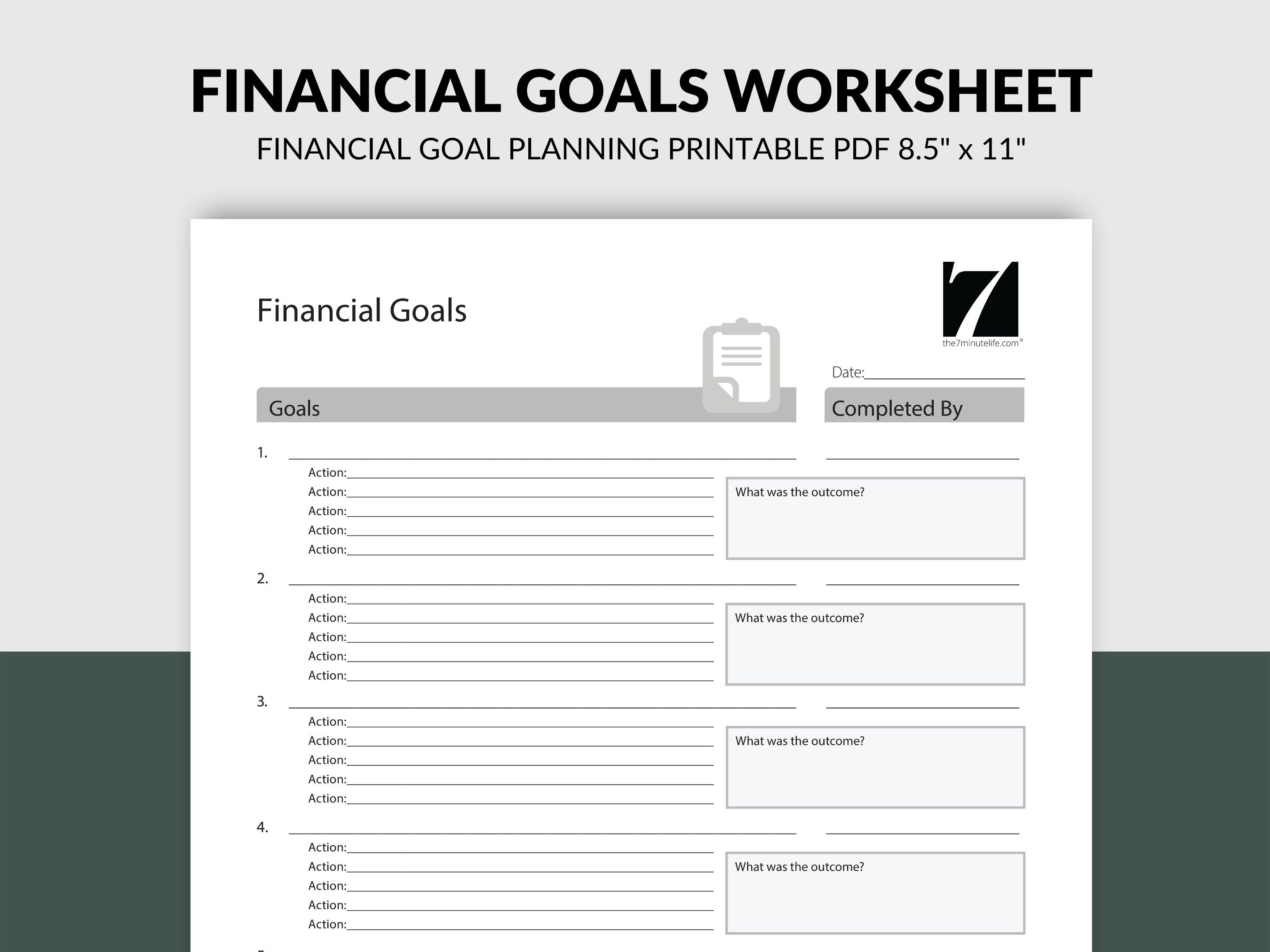
Set financial goals. Use the worksheet to set short-term and long-term goals, such as paying off debt or saving for a specific purchase. Break these goals down into actionable steps.
Review and update regularly. Financial planning is an ongoing process. Review your worksheet monthly or quarterly to track your progress and make any necessary adjustments.
Common Misconceptions and How to Avoid Them
One common misconception is that financial planning worksheets are only suitable for adults. While they are a great tool for personal finance management, they can also be adapted for teenagers and even younger children to teach them about money management. Another pitfall is assuming these worksheets are complex and time-consuming. In reality, they are designed to be user-friendly and can save you time and stress in the long run.
Well, that's a wrap on our financial planning worksheet adventure! We've covered a lot of ground, from the basics to the more detailed steps, and I hope you feel equipped to tackle your finances with these handy tools.
Remember, every person's financial situation is unique, so be sure to tailor these worksheets to your specific needs. It's a simple yet effective way to stay organized and on top of your money matters. Consider bookmarking this page for future reference; it might just come in handy when you least expect it!
Images