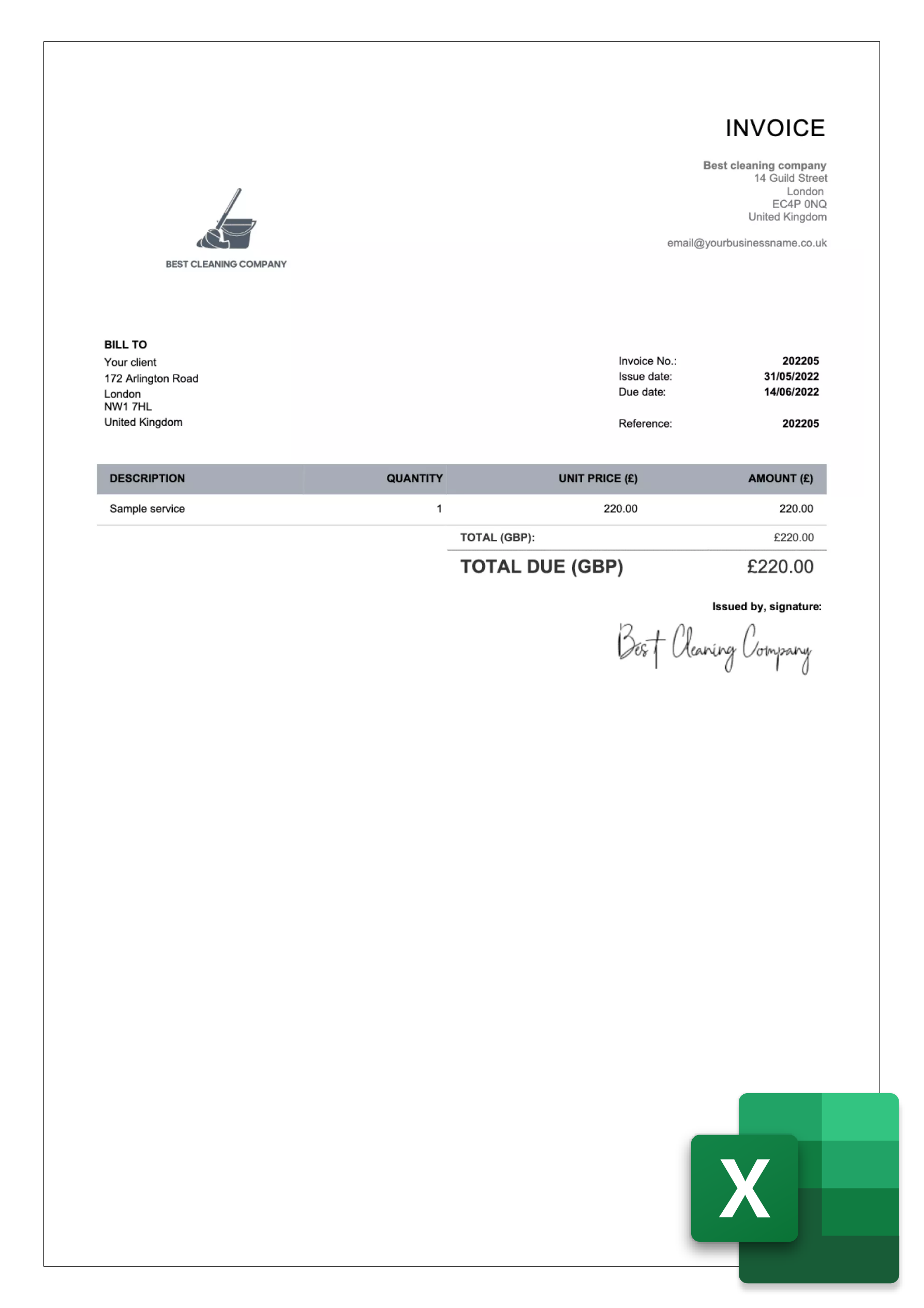
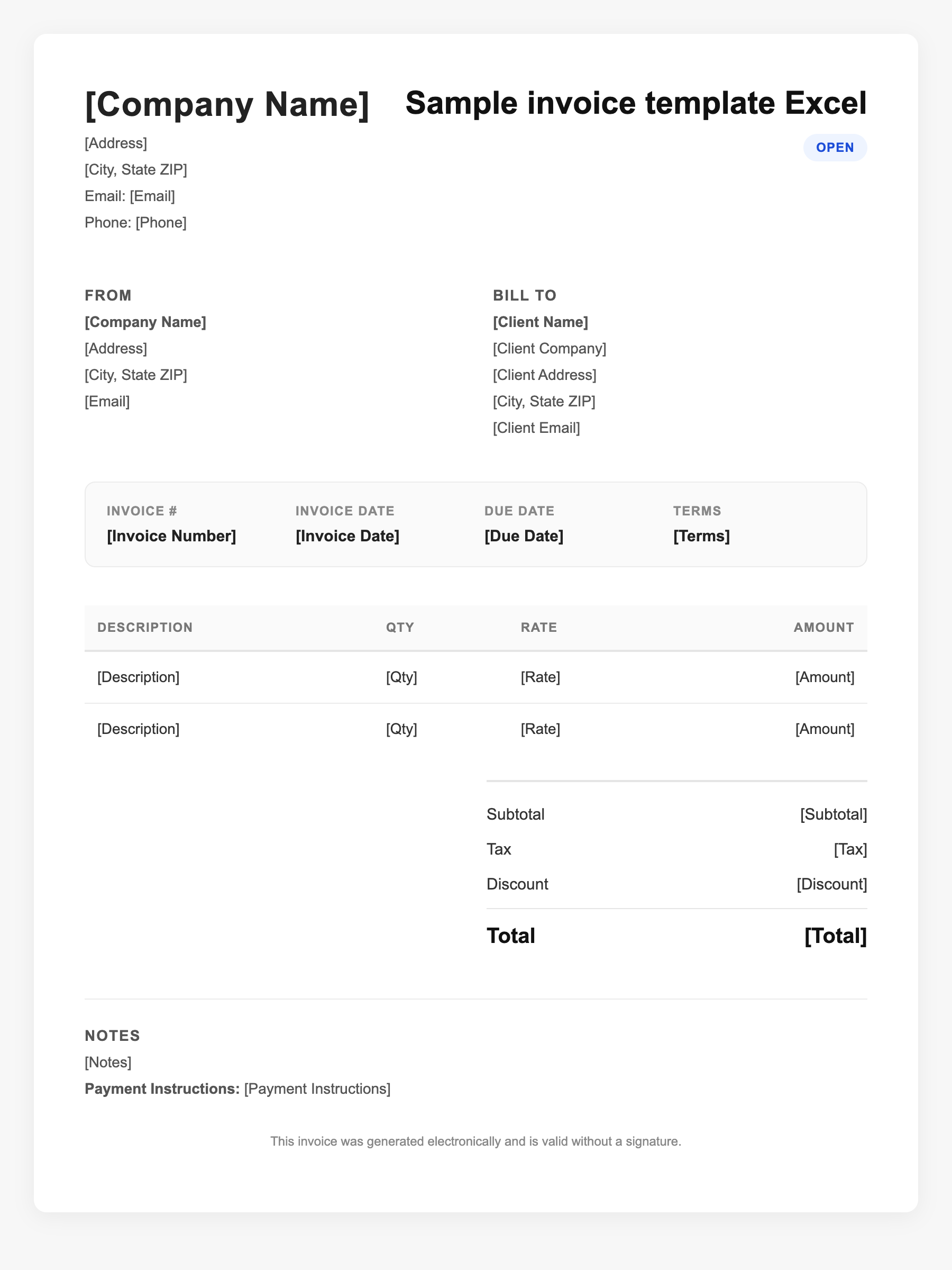
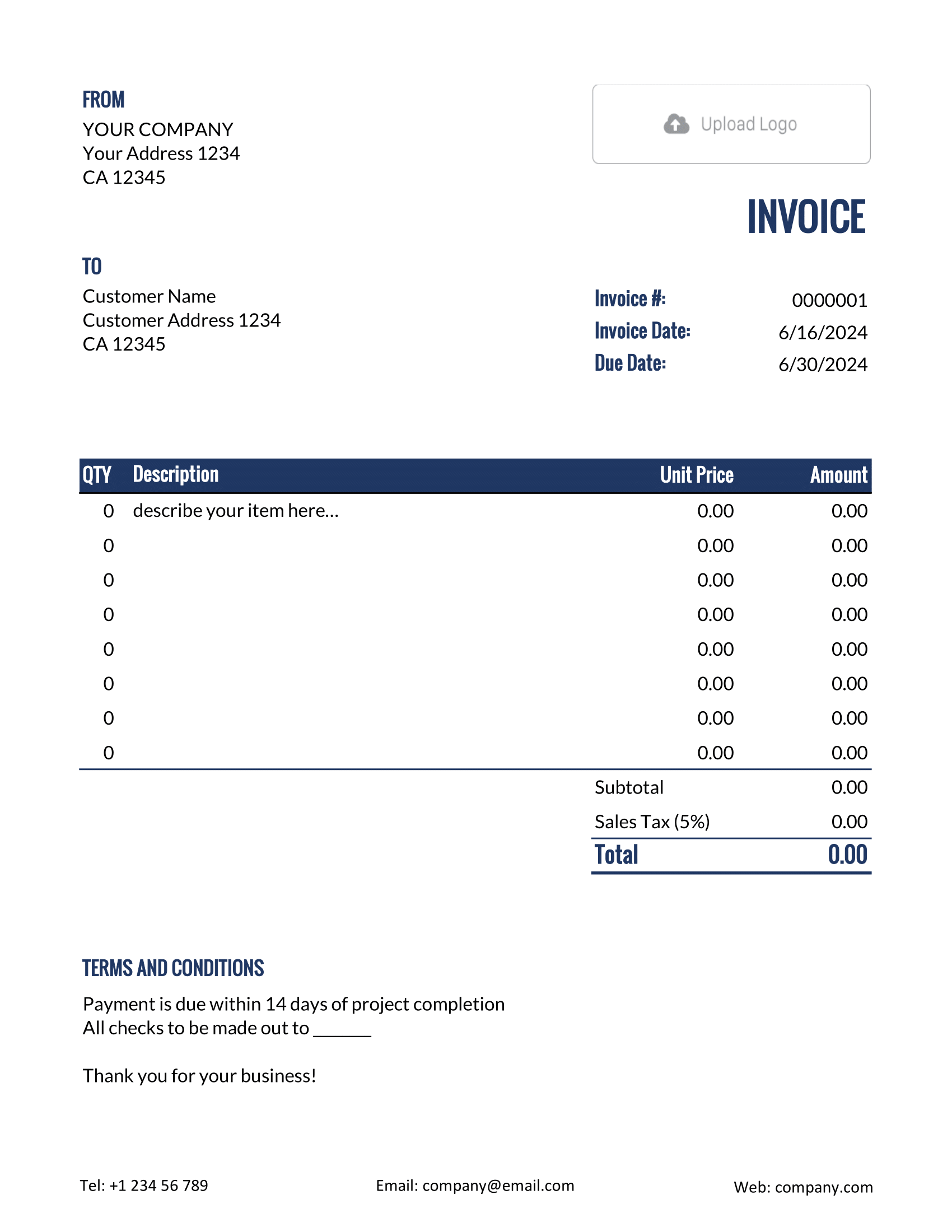
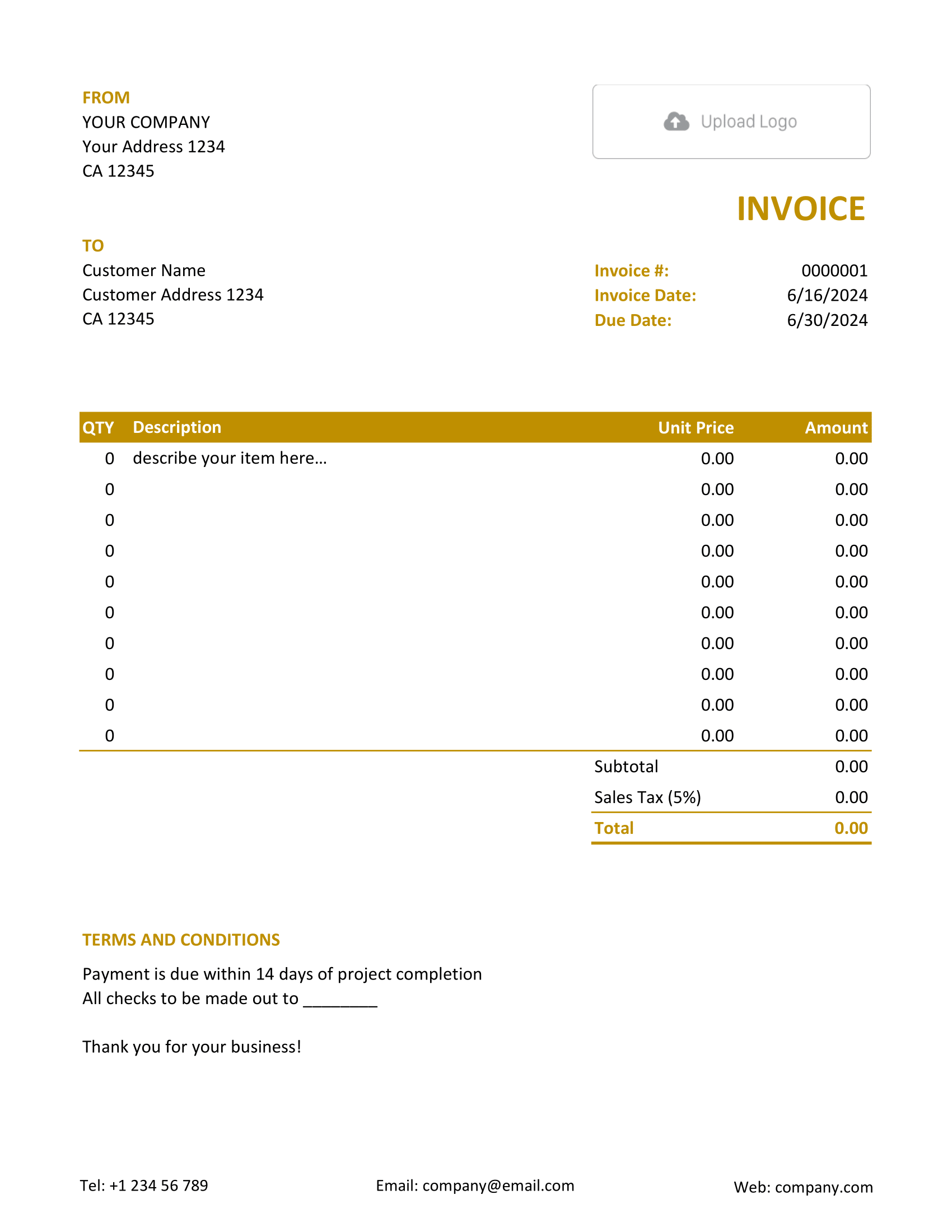
How to Get Your Invoice Template with Excel?
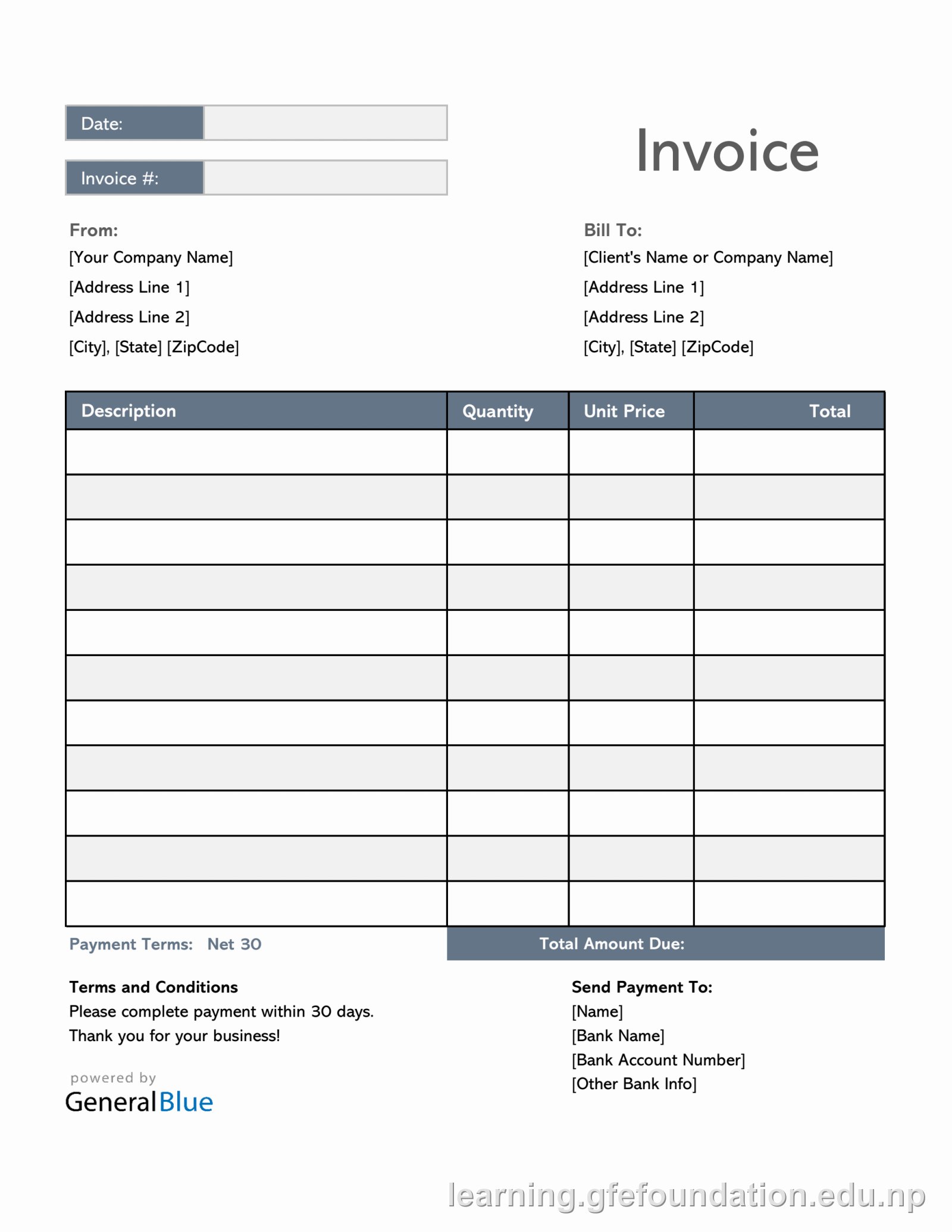
Get your hands on an invoice template with Excel, a simple and effective tool for your business needs. Print and use it right away, or follow our tips for a seamless experience.
You're likely here because you're seeking a simple, efficient way to create invoices for your business, and the invoice template with excel is an excellent solution. This template is a versatile tool, offering a quick and customizable way to generate professional invoices. Whether you're a small business owner or an individual contractor, having an easy-to-use invoice template in Excel can streamline your billing process.
Invoice Template with Excel: A Practical Guide
An invoice template with Excel is a powerful tool for creating professional and organized invoices for your business. This template serves as a structured framework, allowing you to easily generate invoices that are tailored to your needs. With its customizable features and user-friendly interface, Excel offers a practical solution for managing your billing processes.
Key Details and Prerequisites
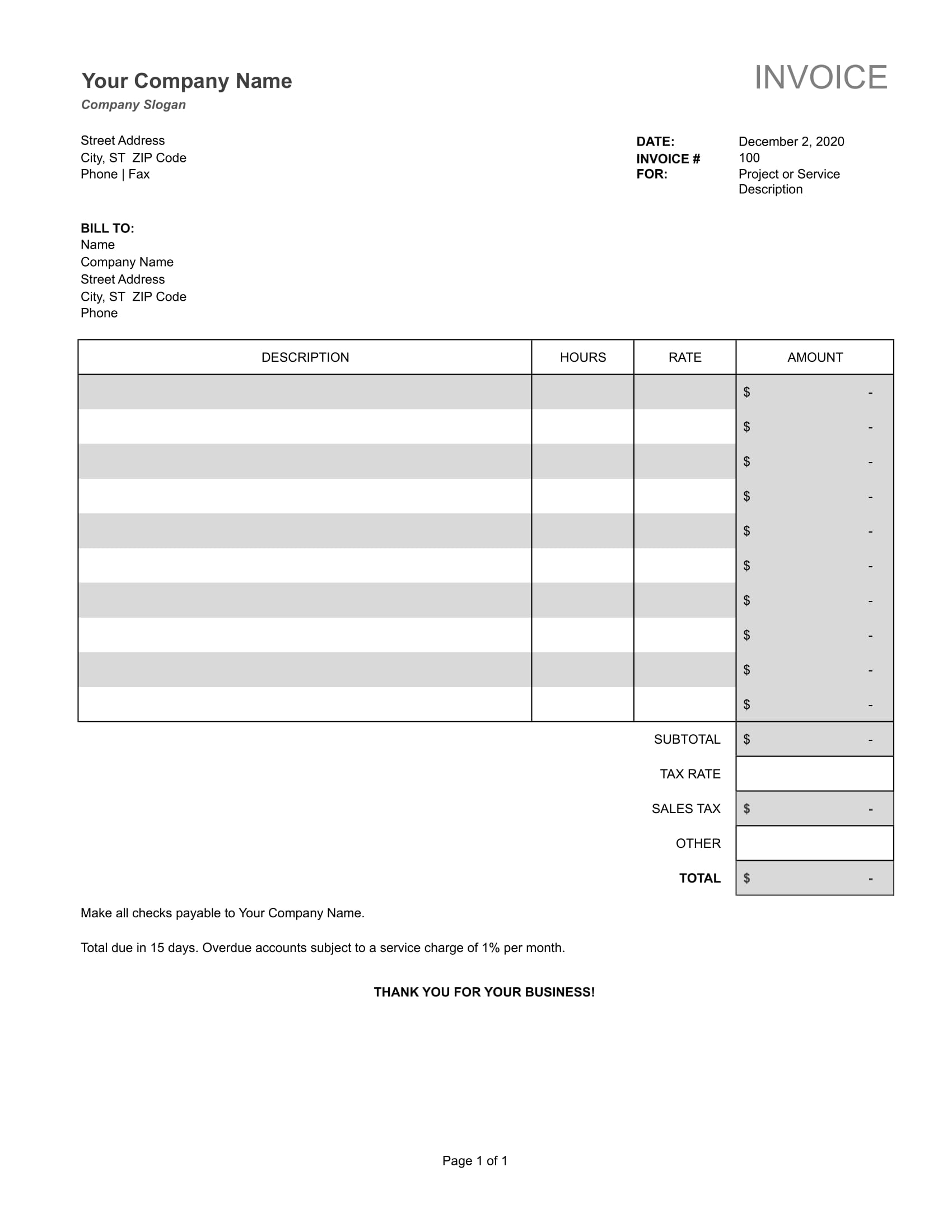
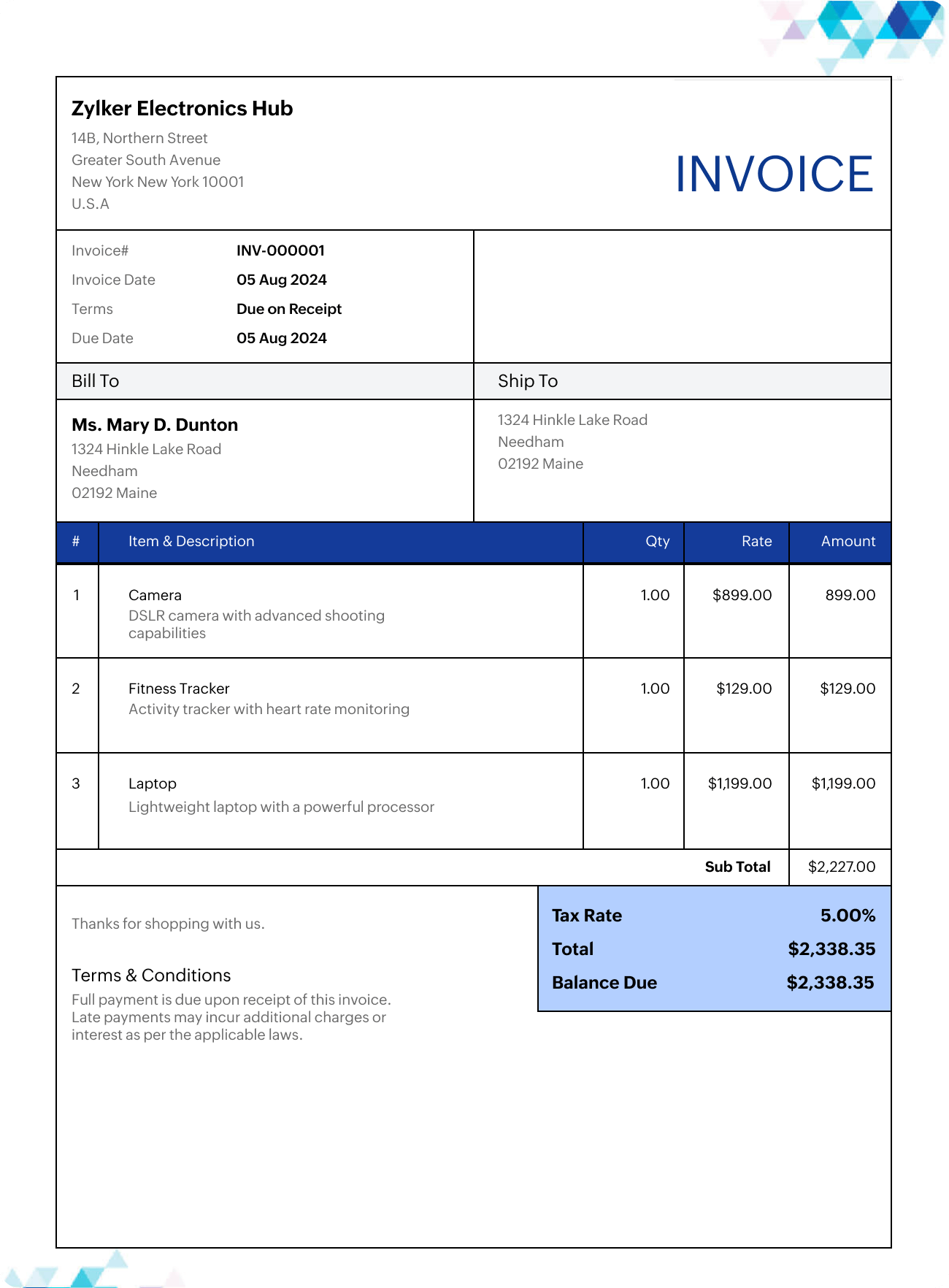
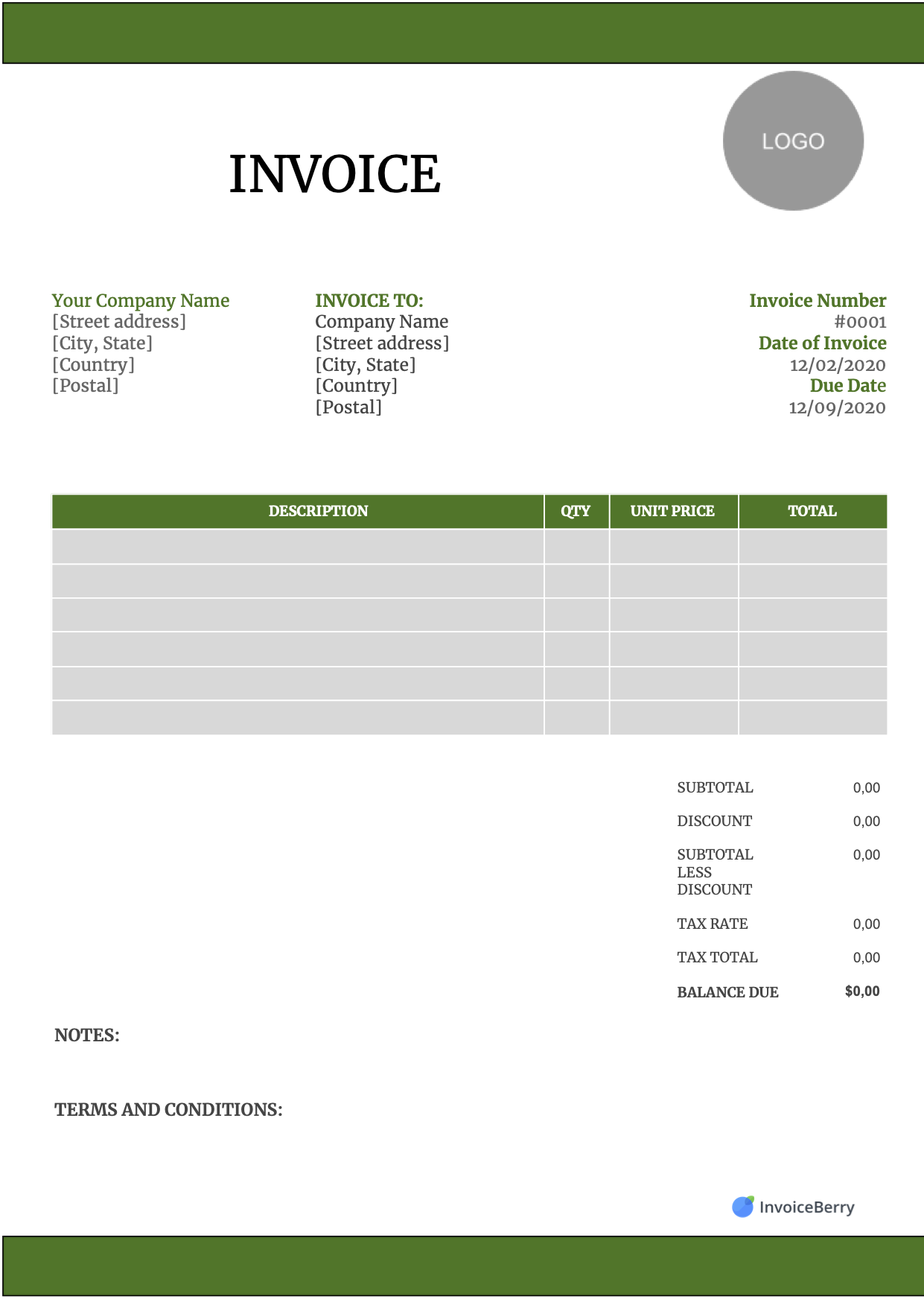
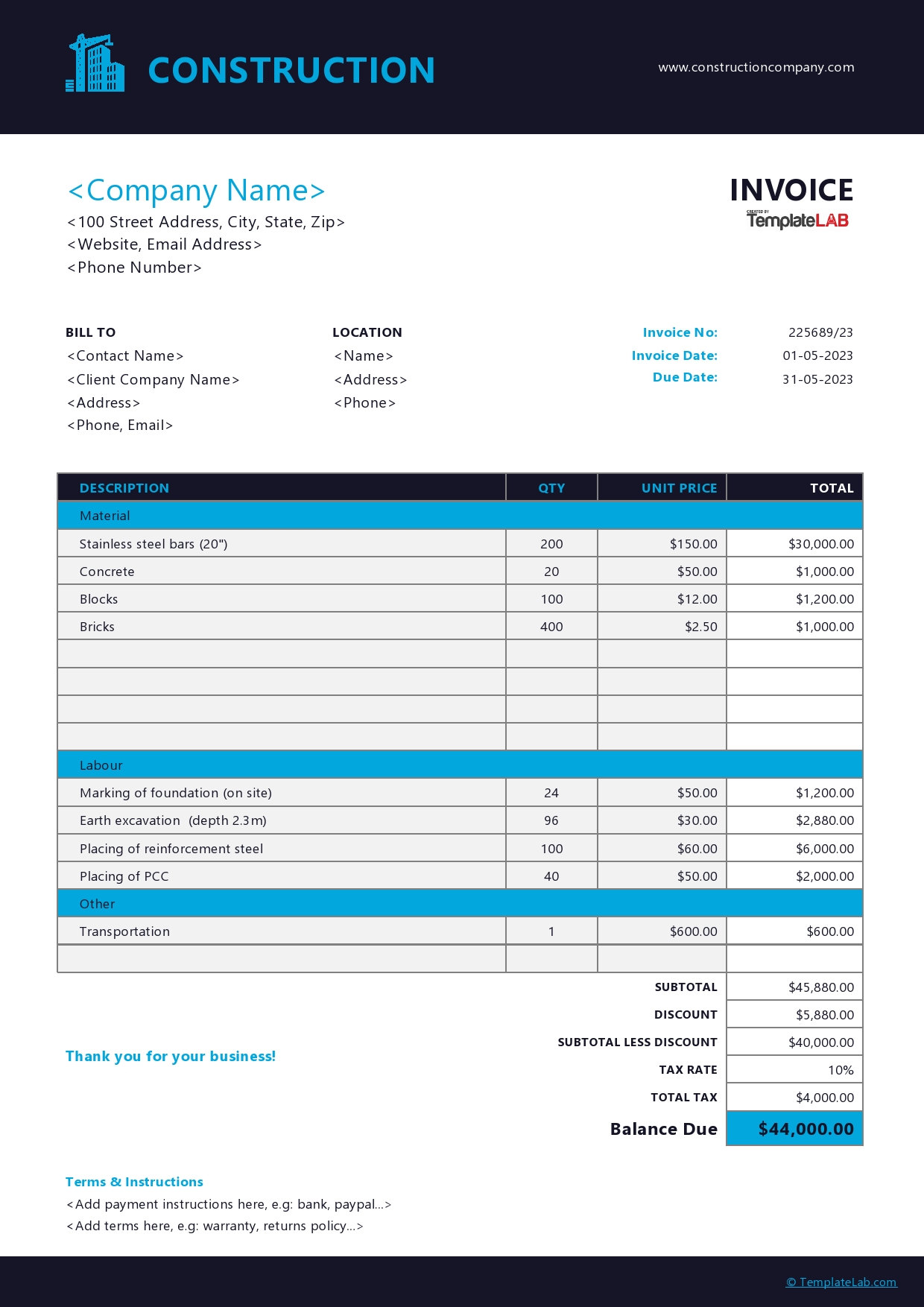
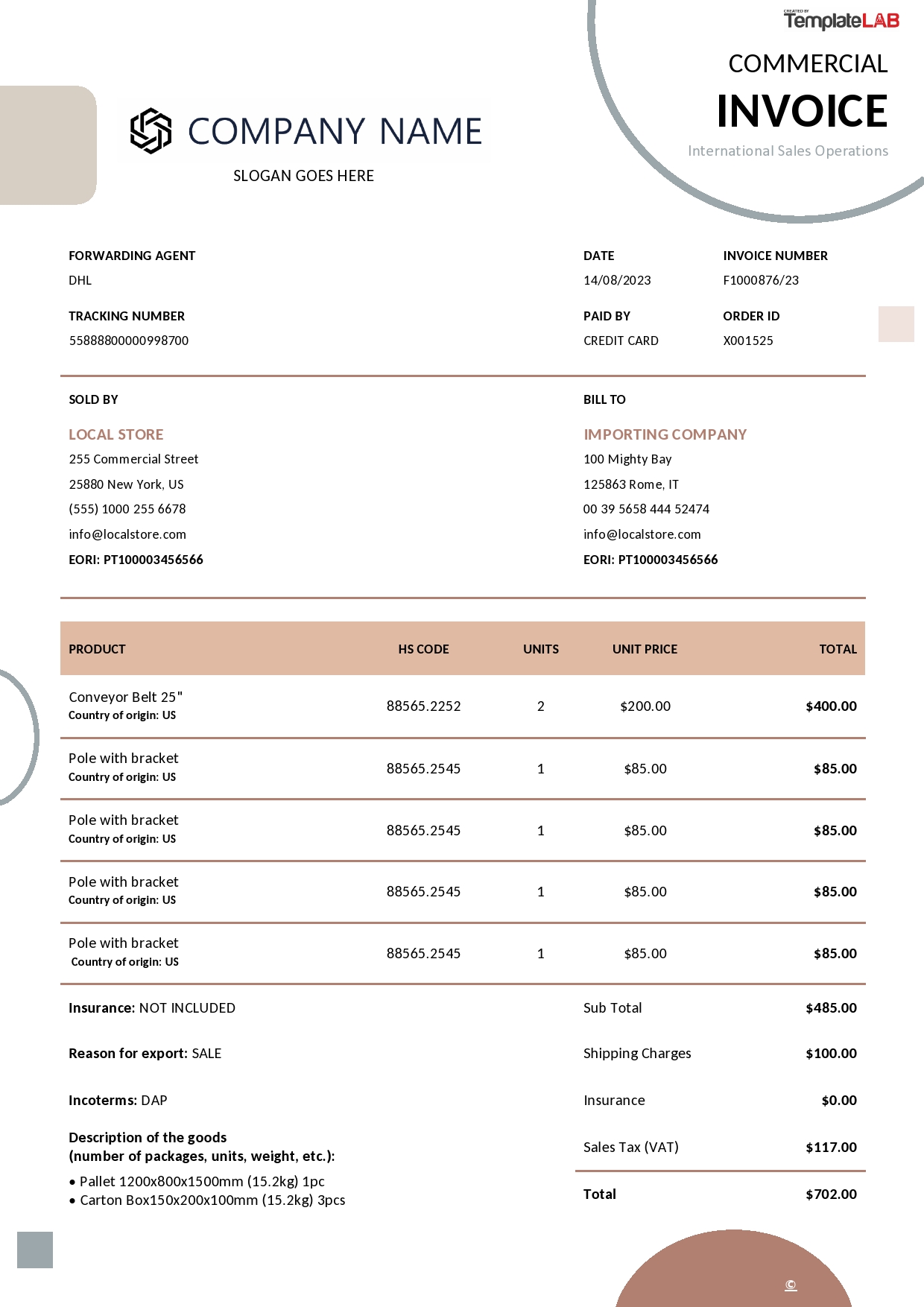
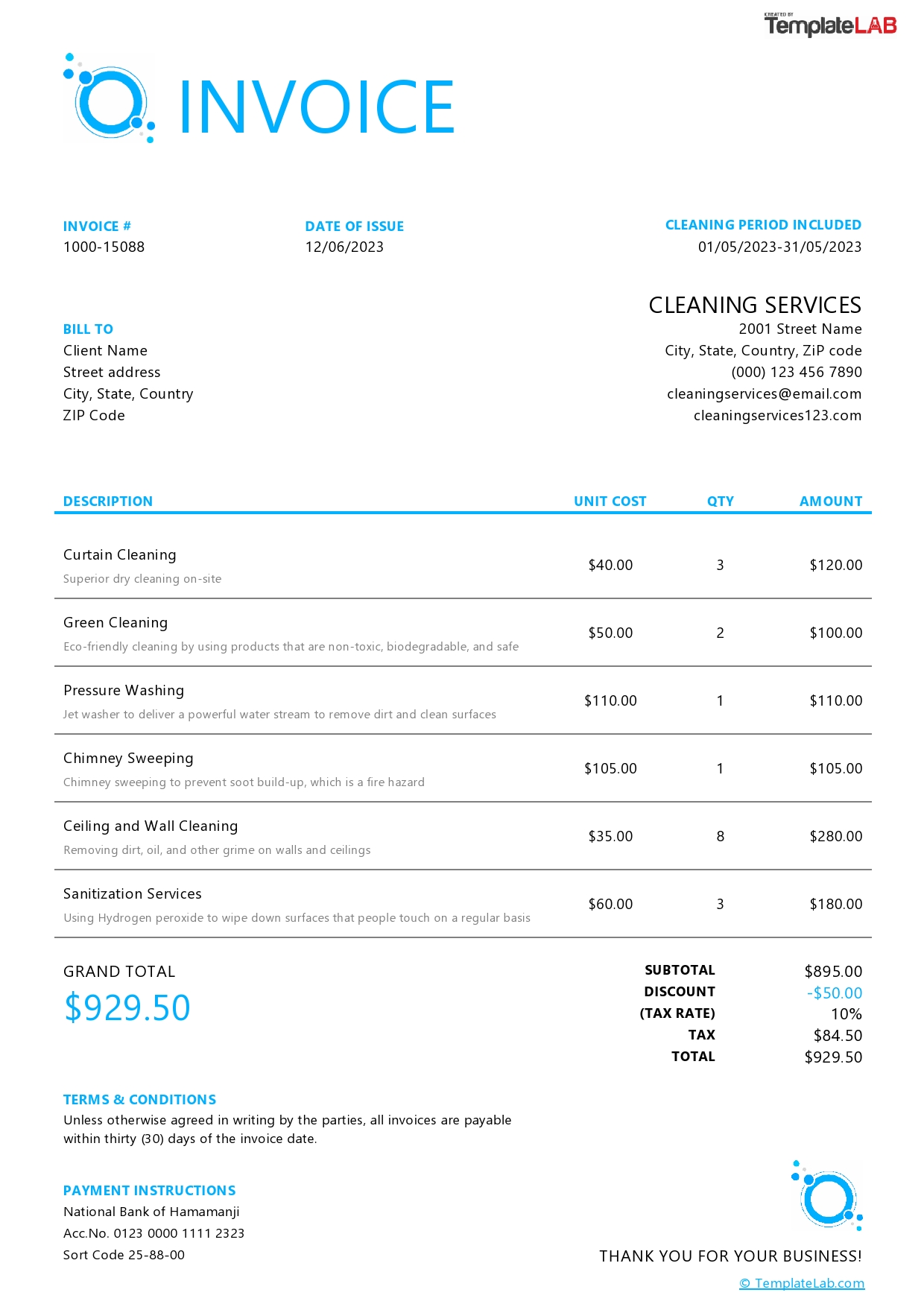
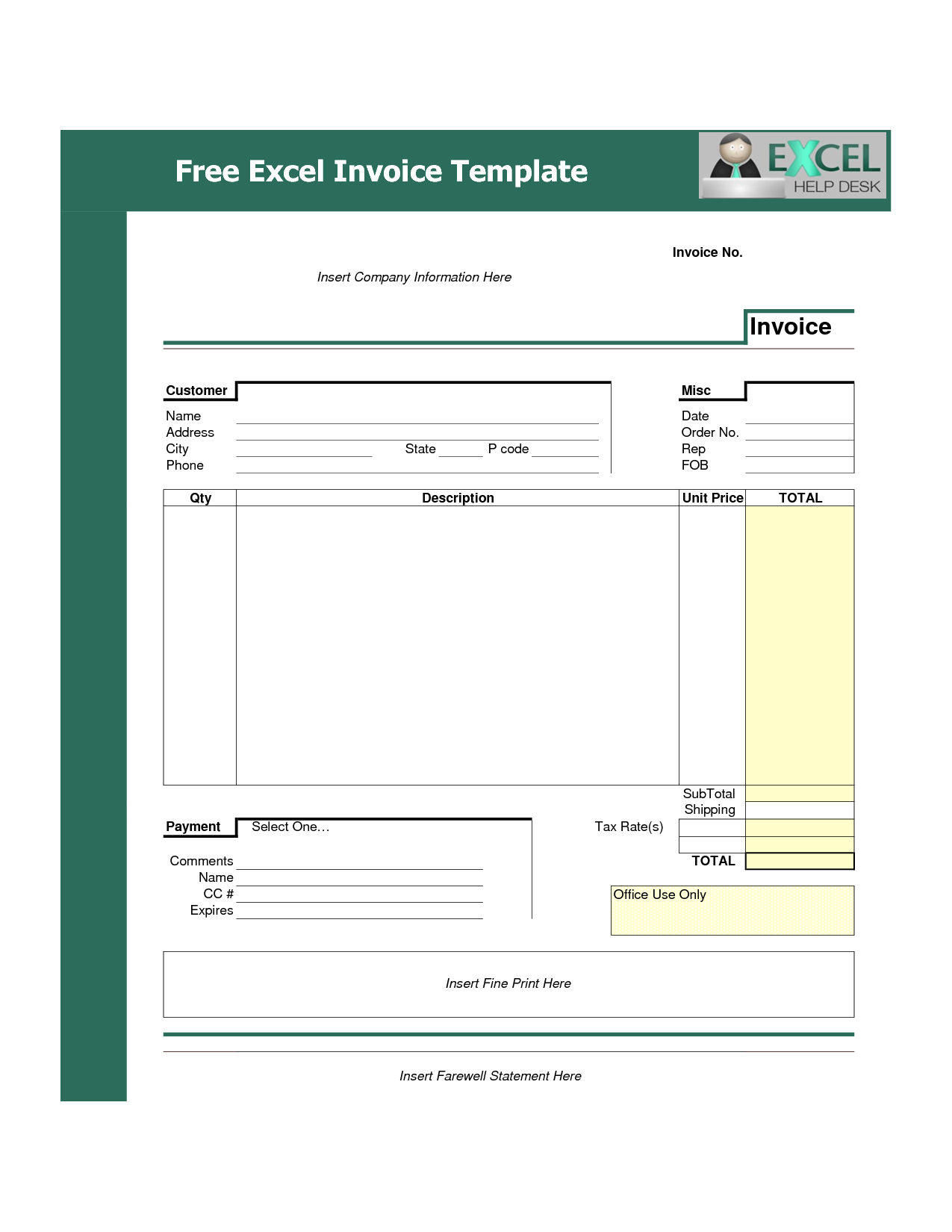
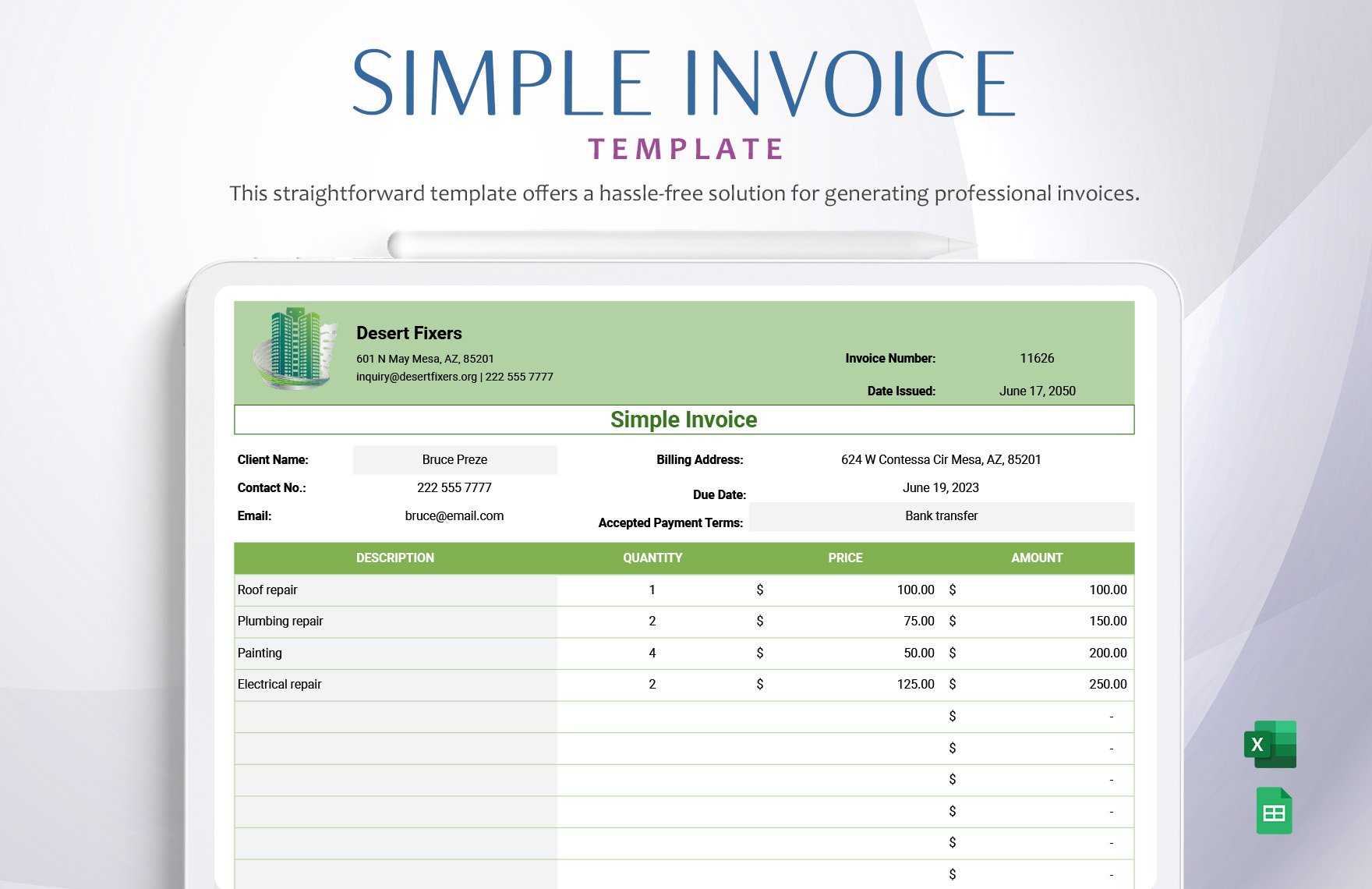
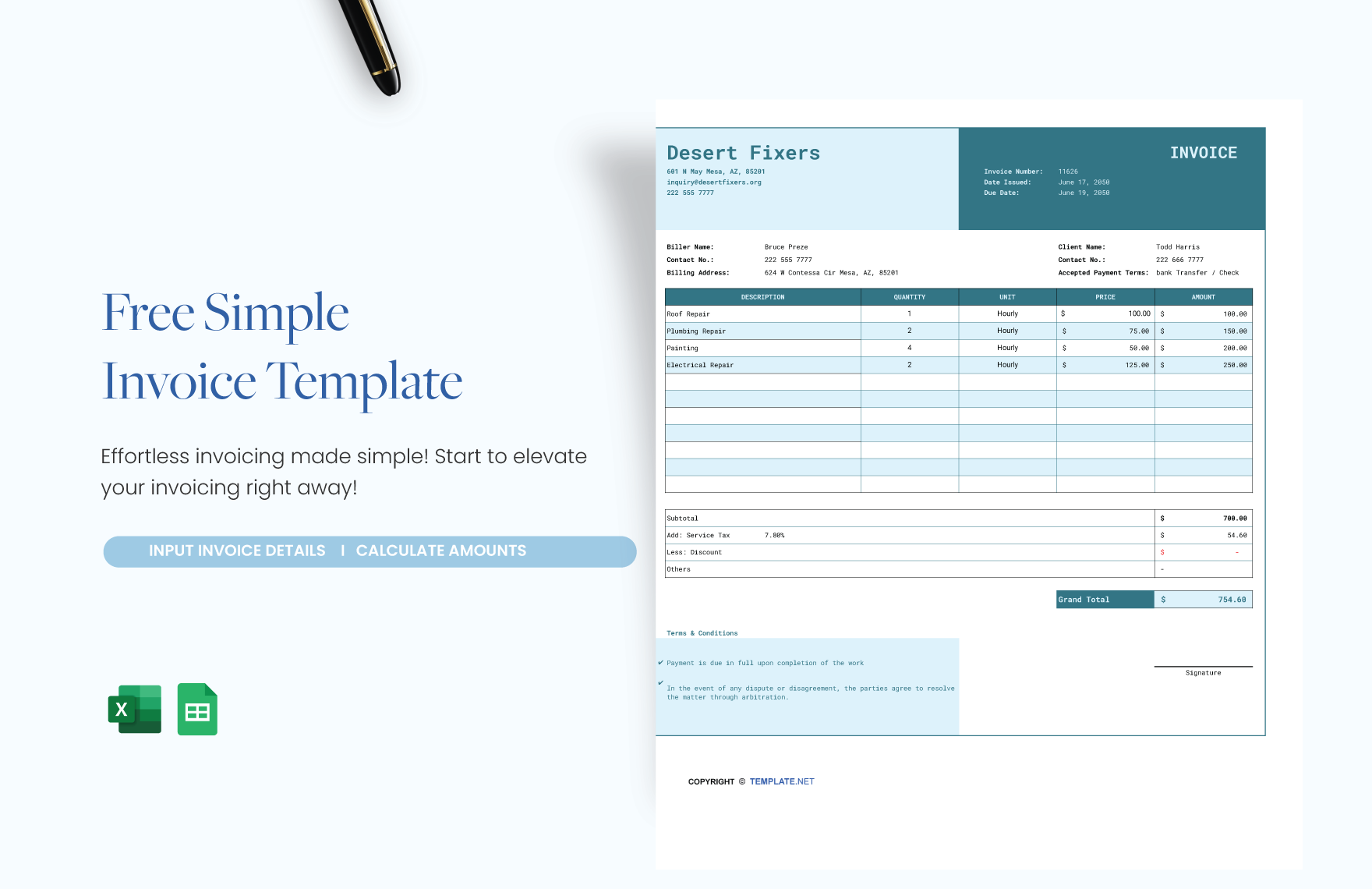
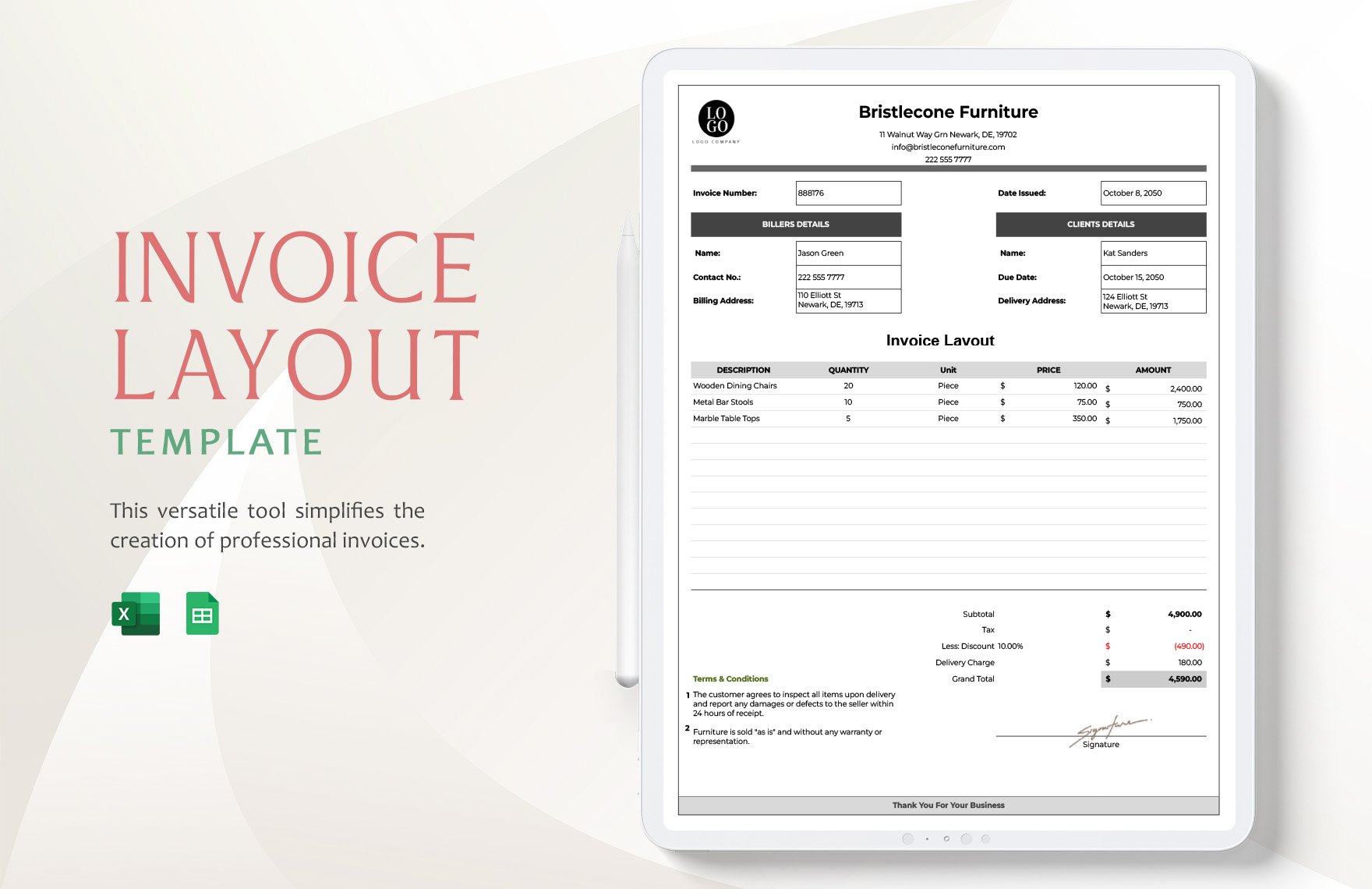
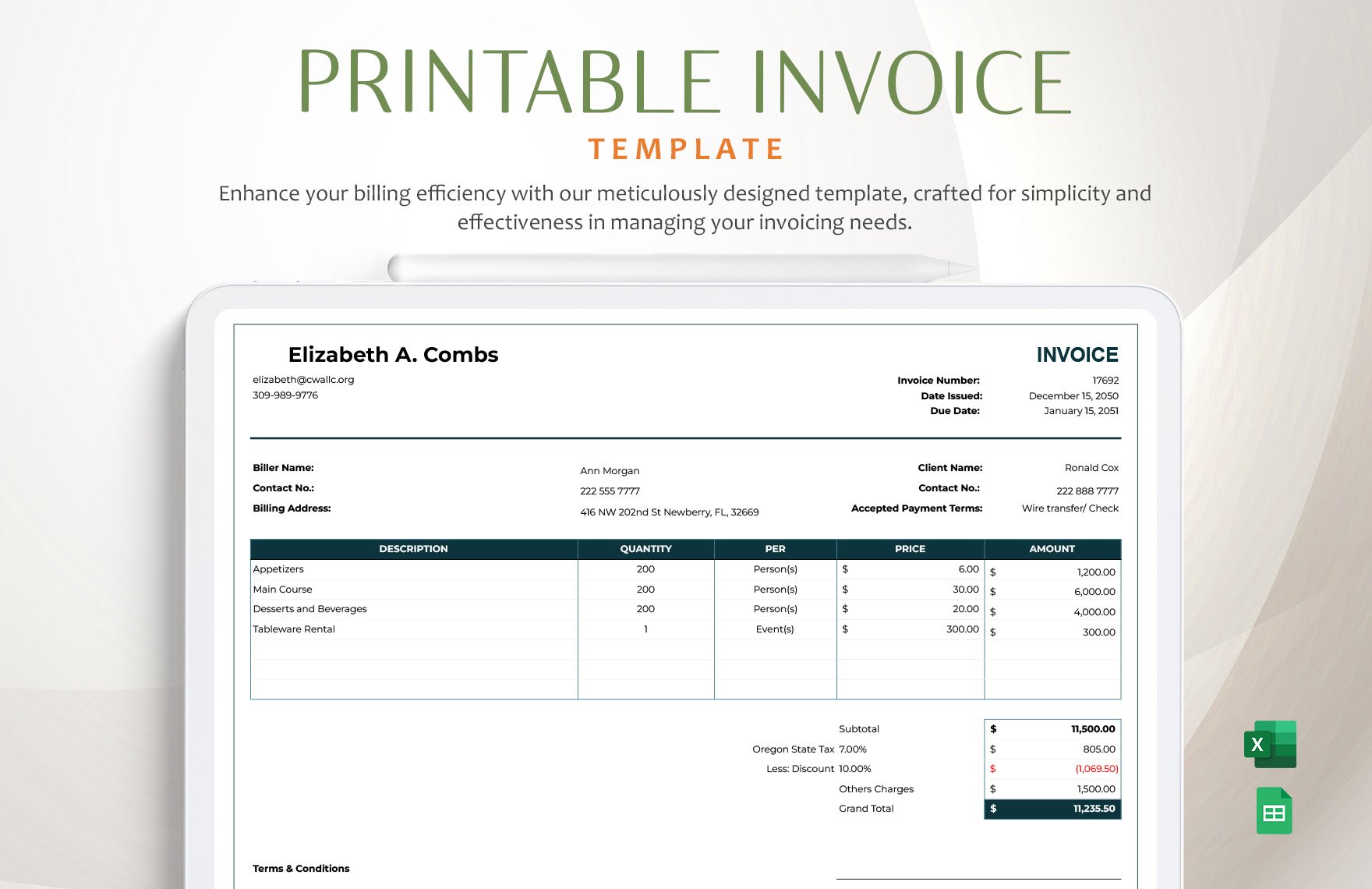
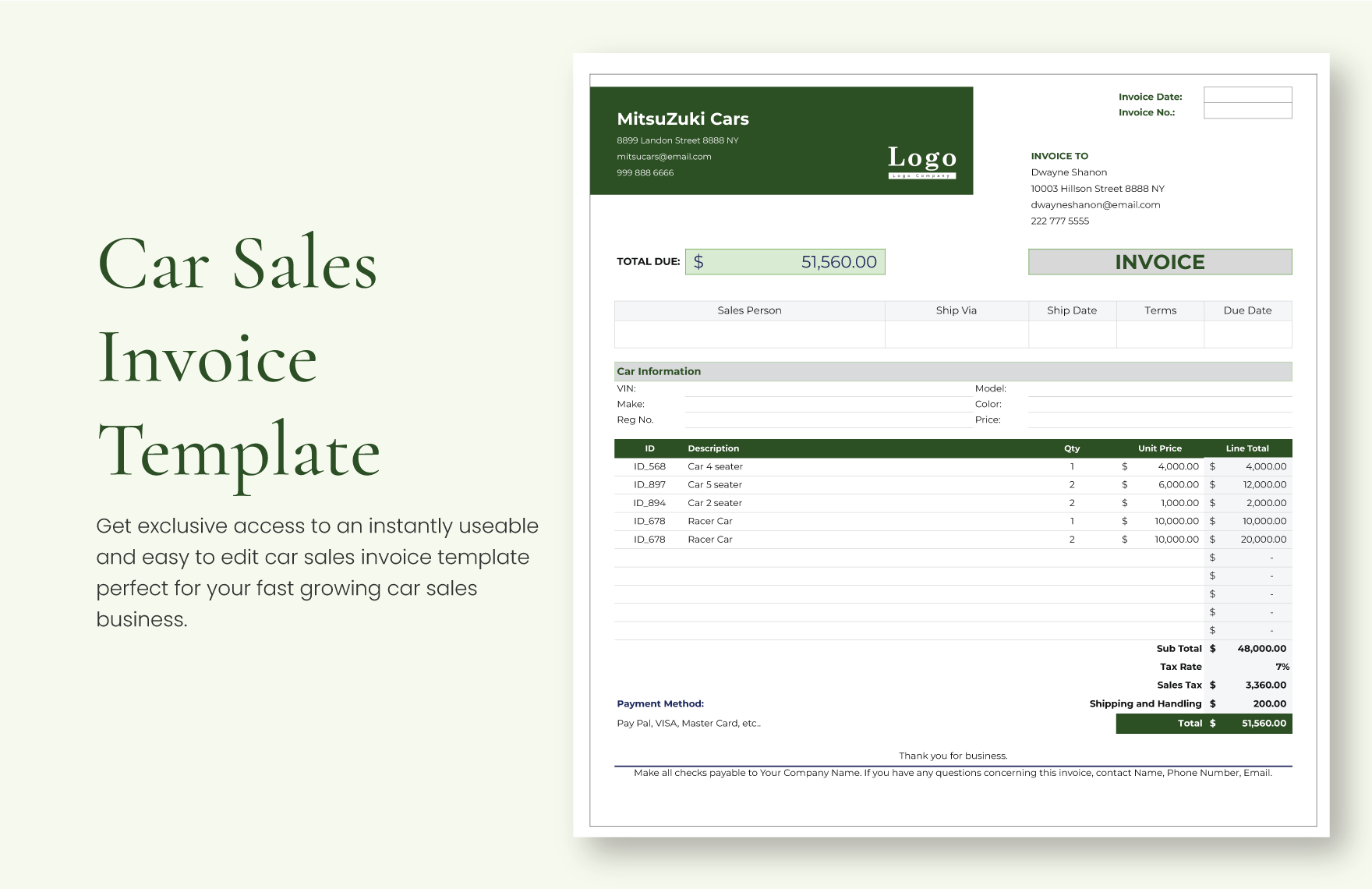
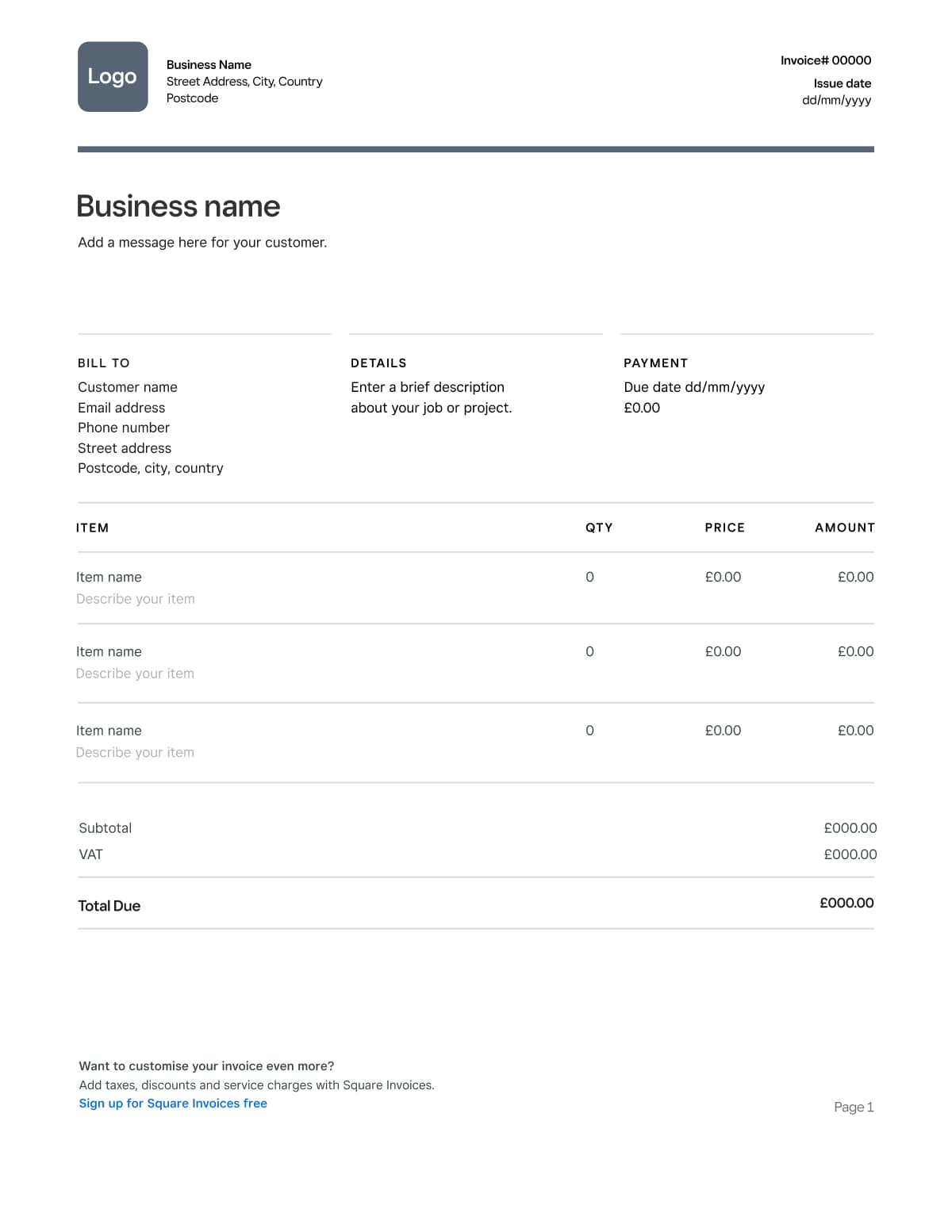
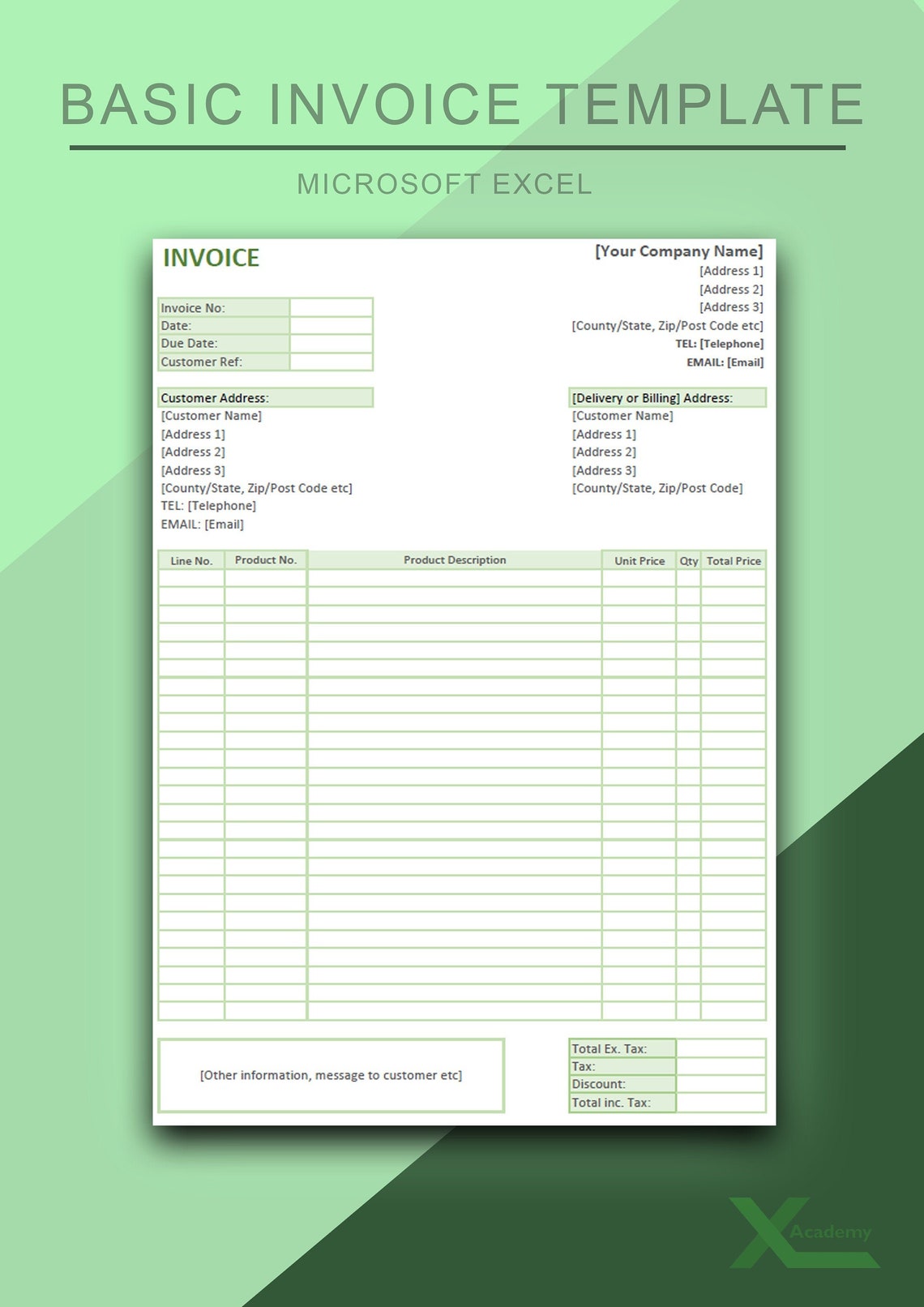
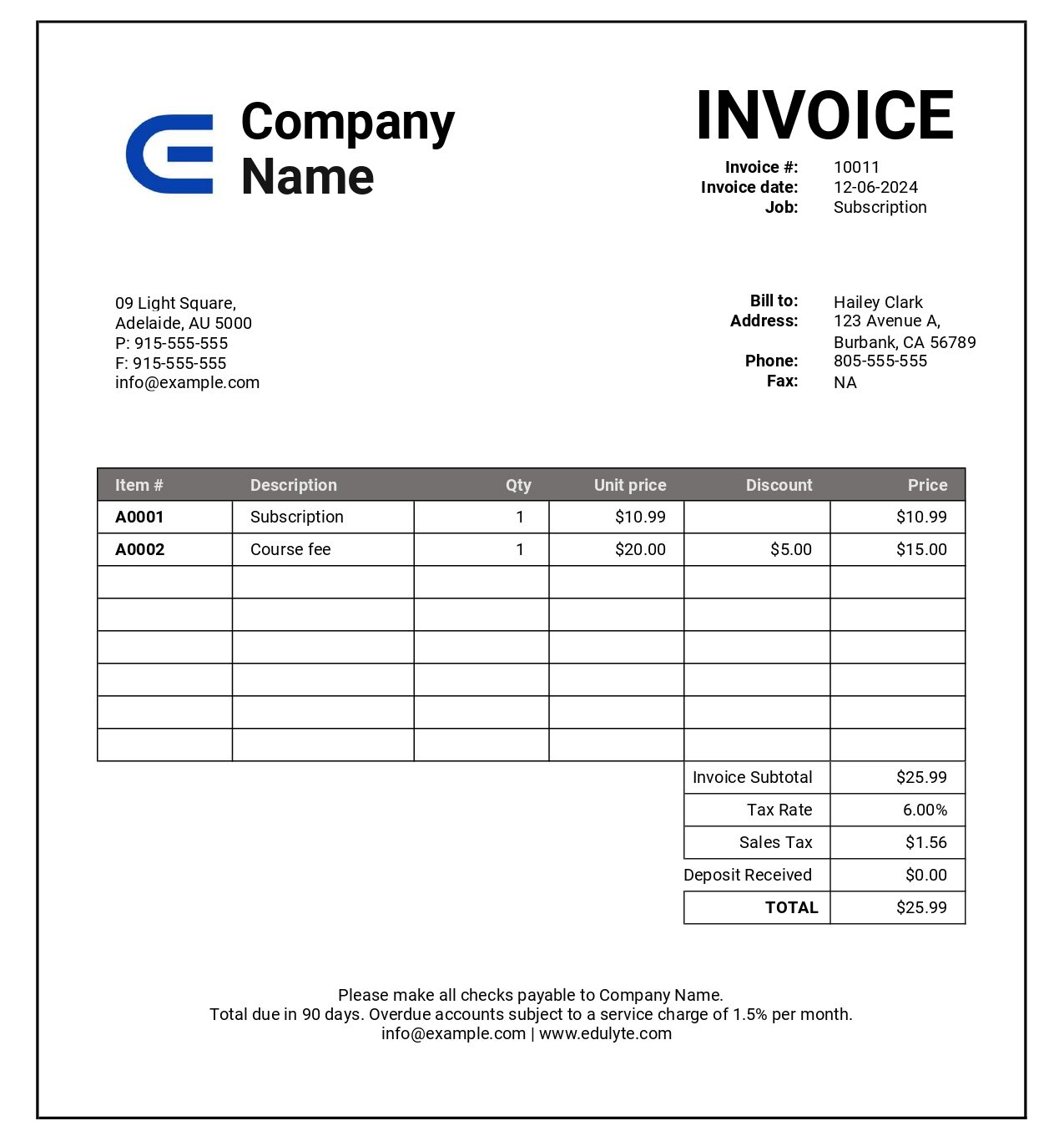
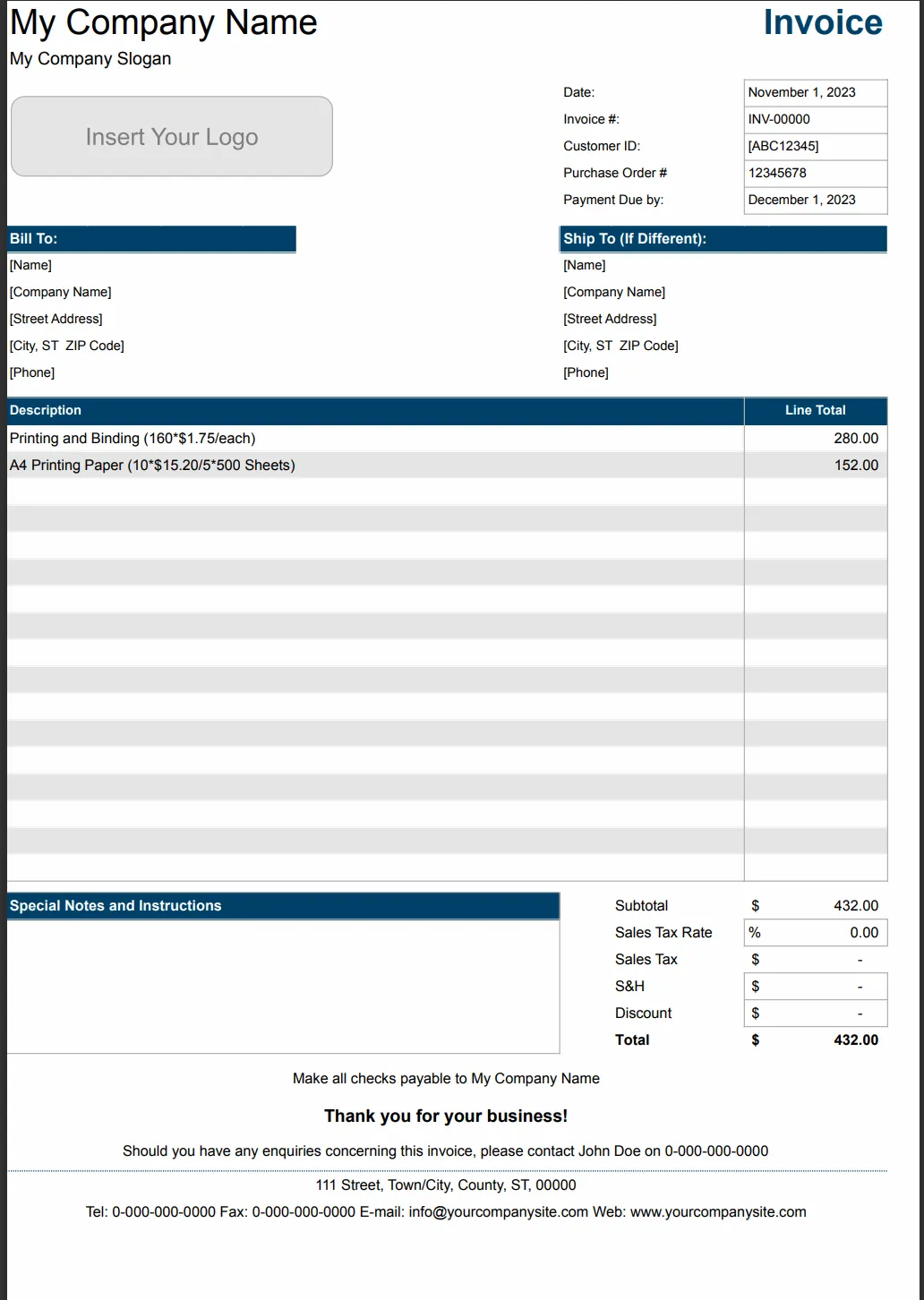
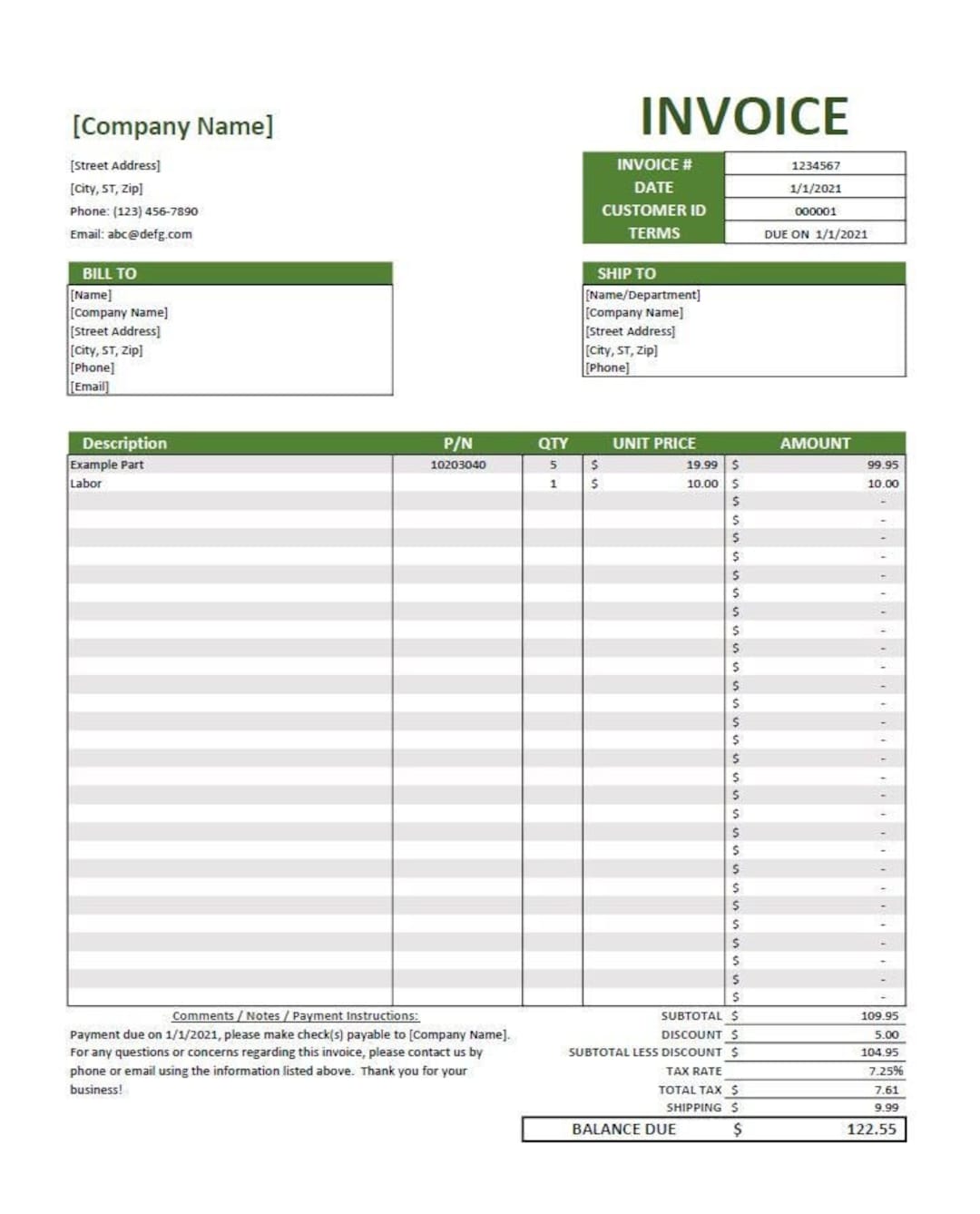
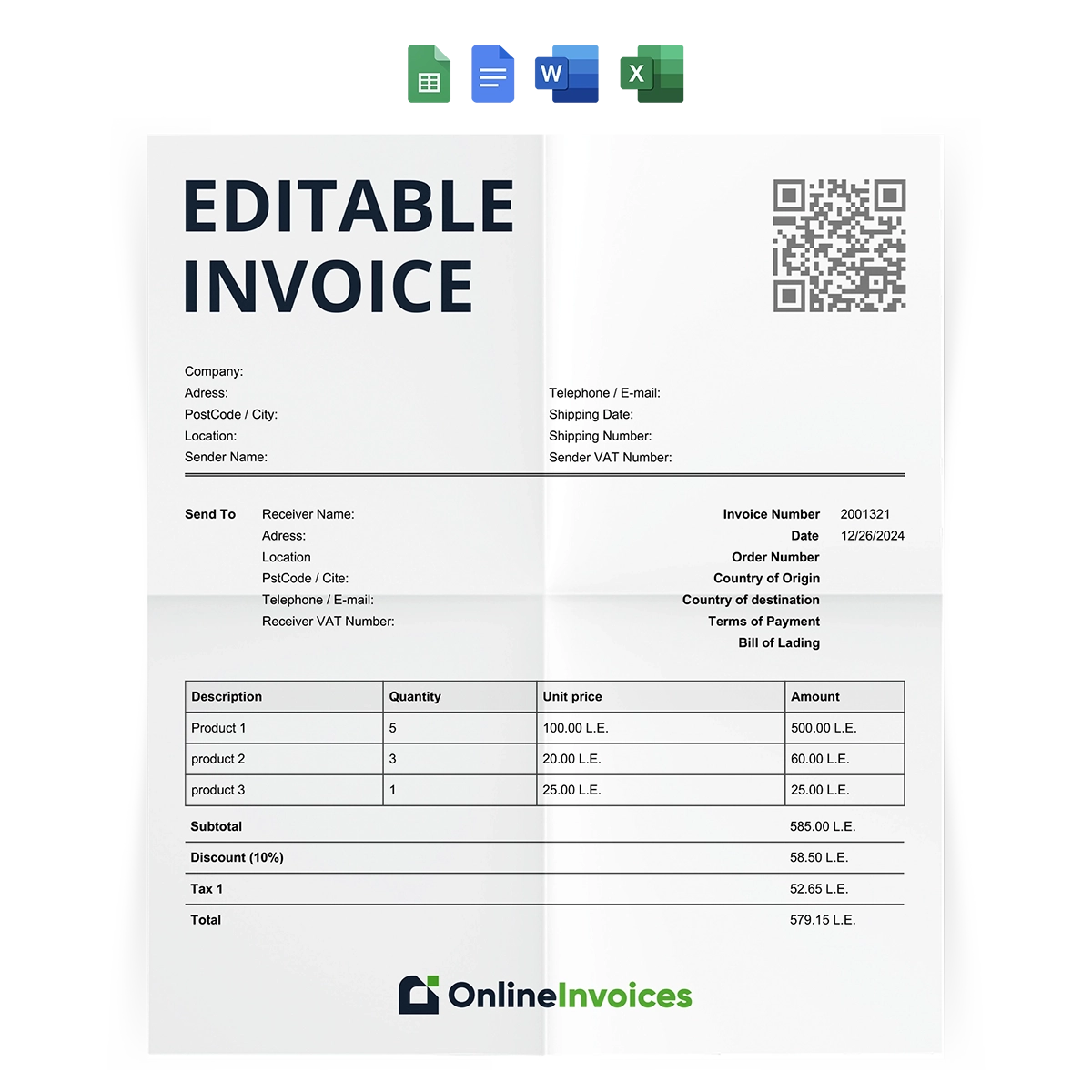
When working with an invoice template in Excel, it's essential to understand the key components and their purpose. An invoice typically includes sections for customer information, itemized details of goods or services provided, quantities, prices, and any applicable taxes or discounts. These sections ensure that all necessary information is captured accurately. Additionally, you'll need a basic understanding of Excel's formatting tools and functions to customize the template effectively.
Creating and Customizing Your Invoice Template
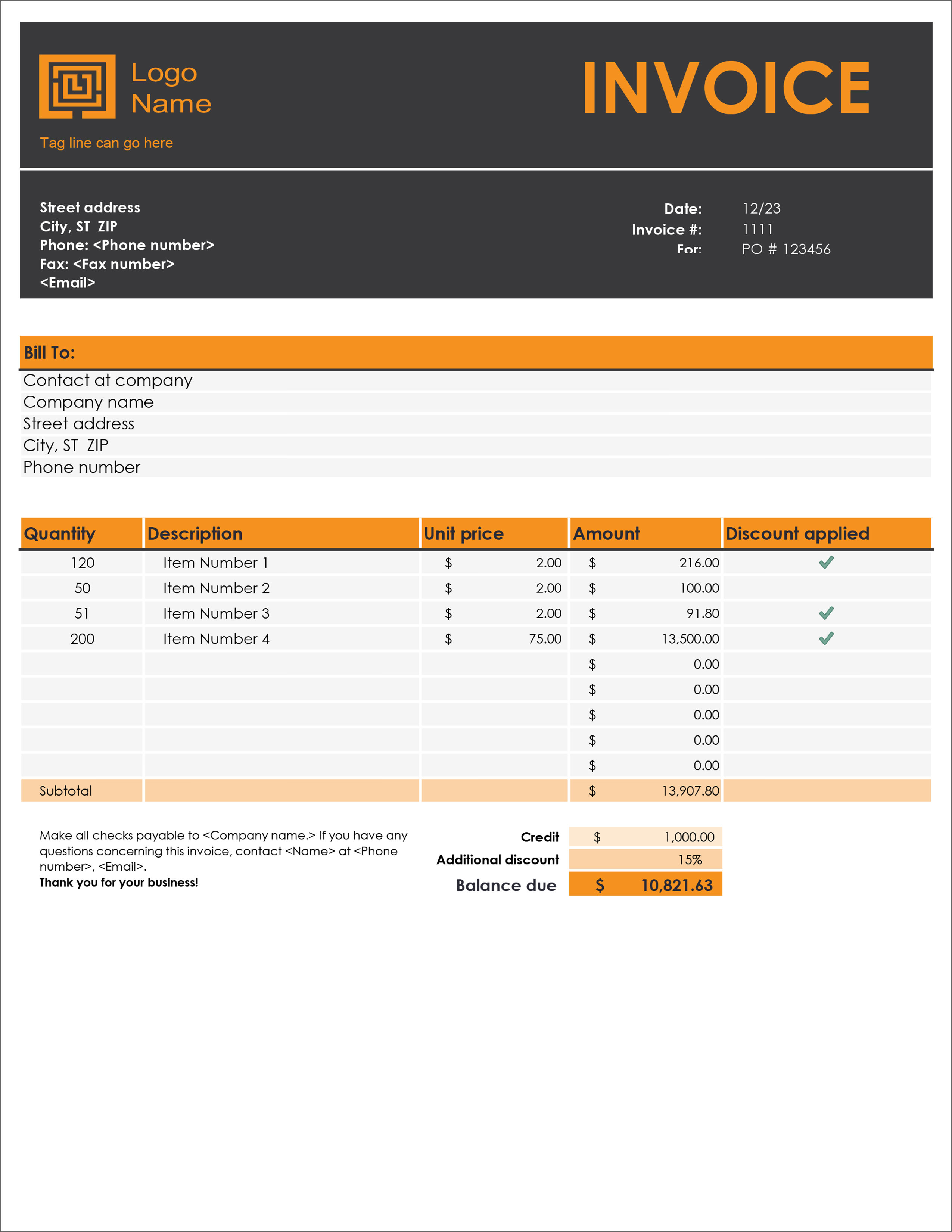
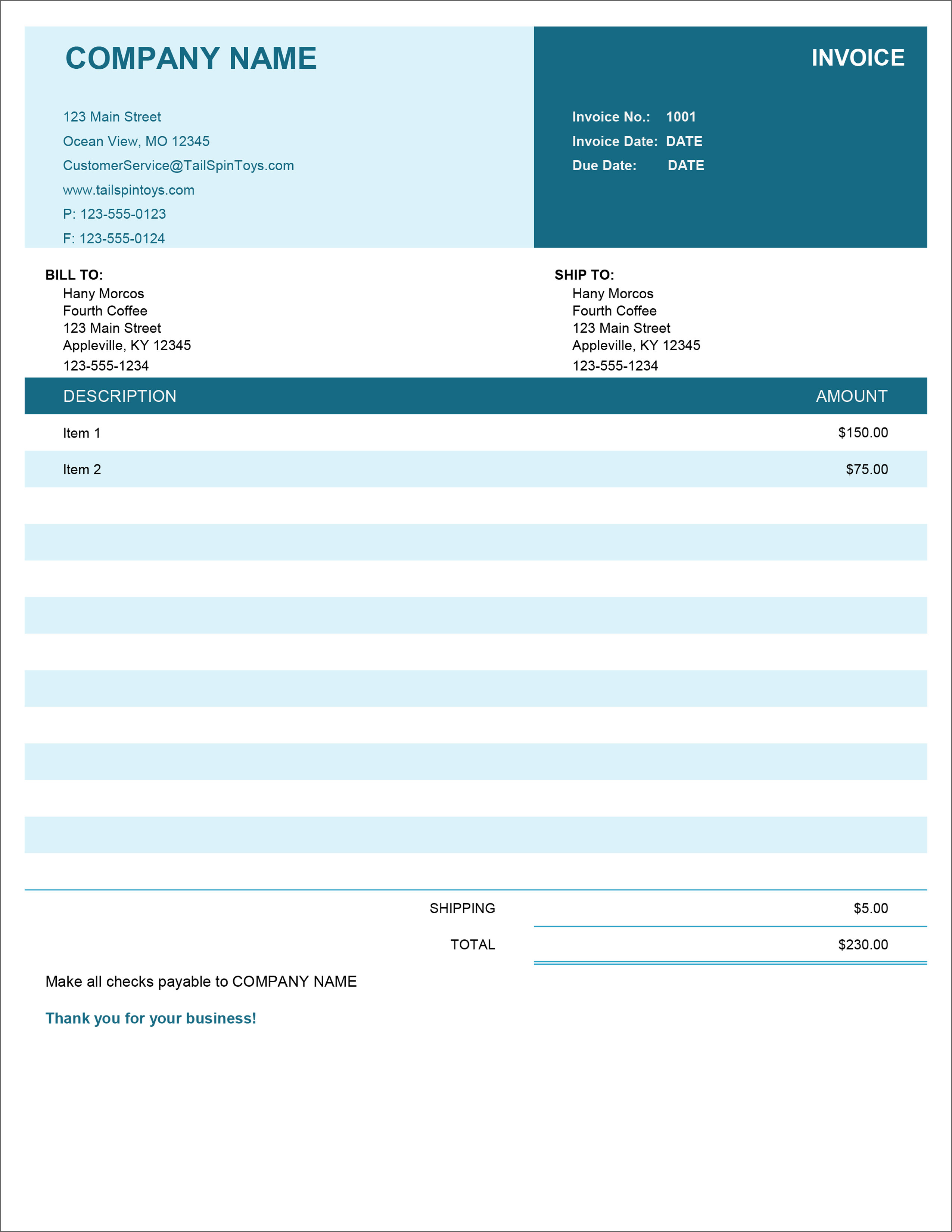
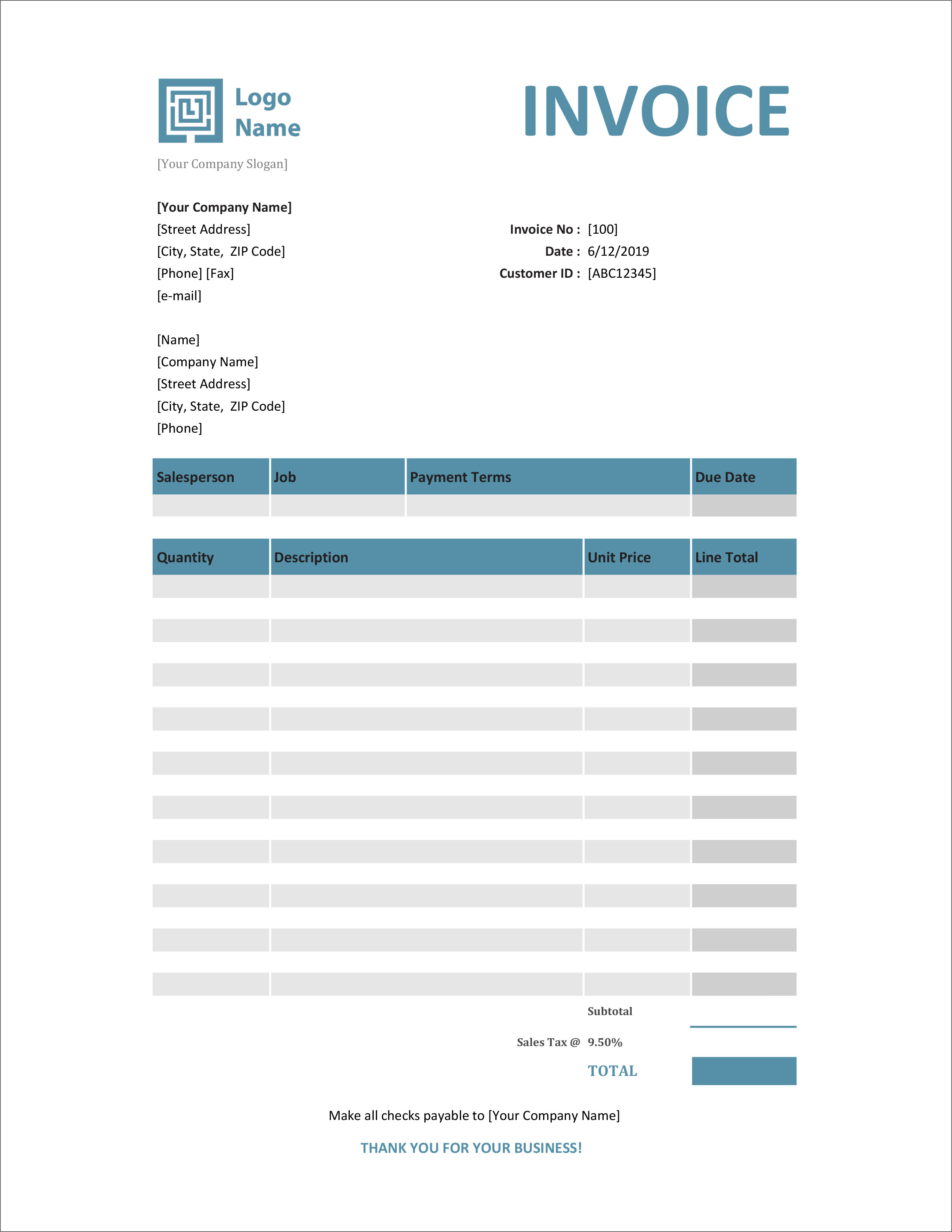
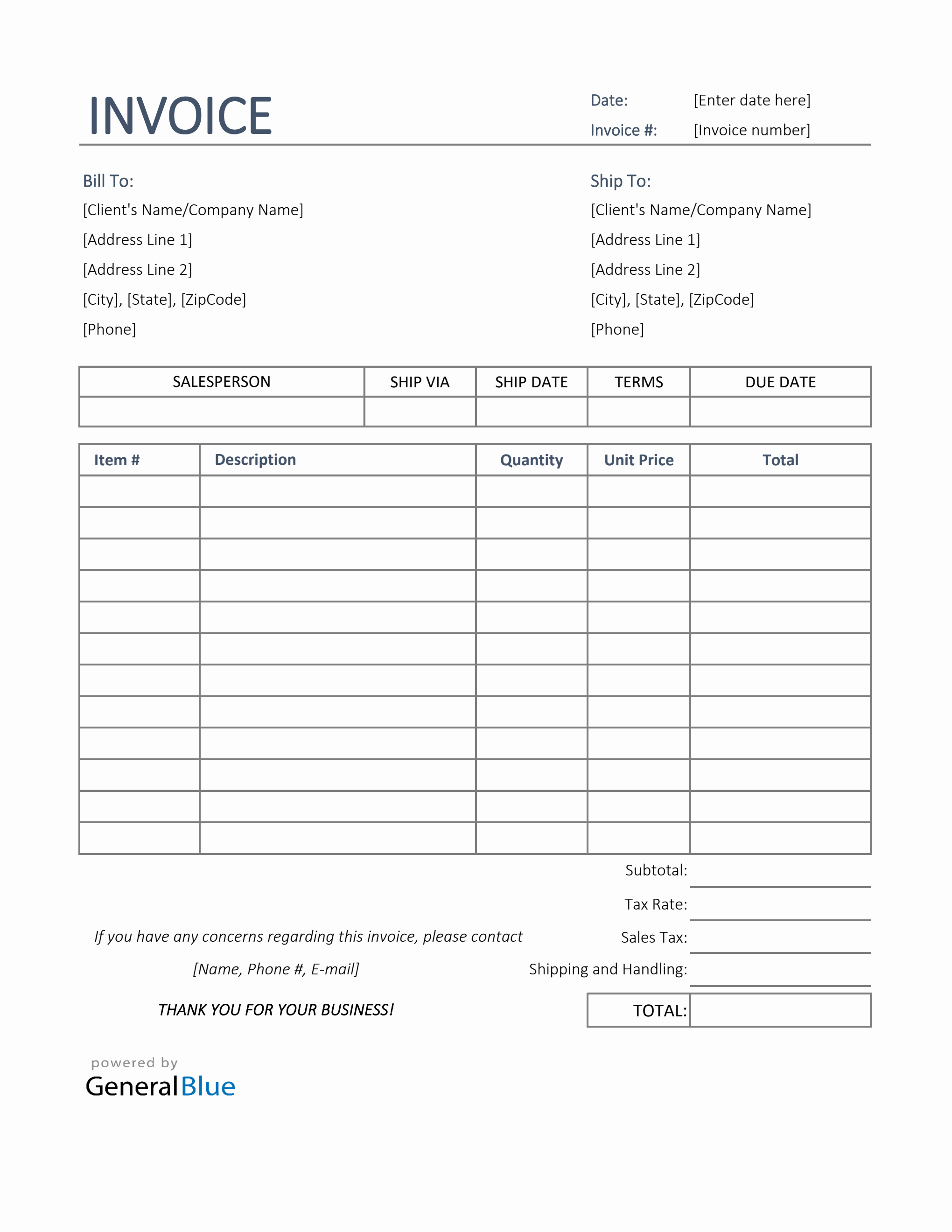
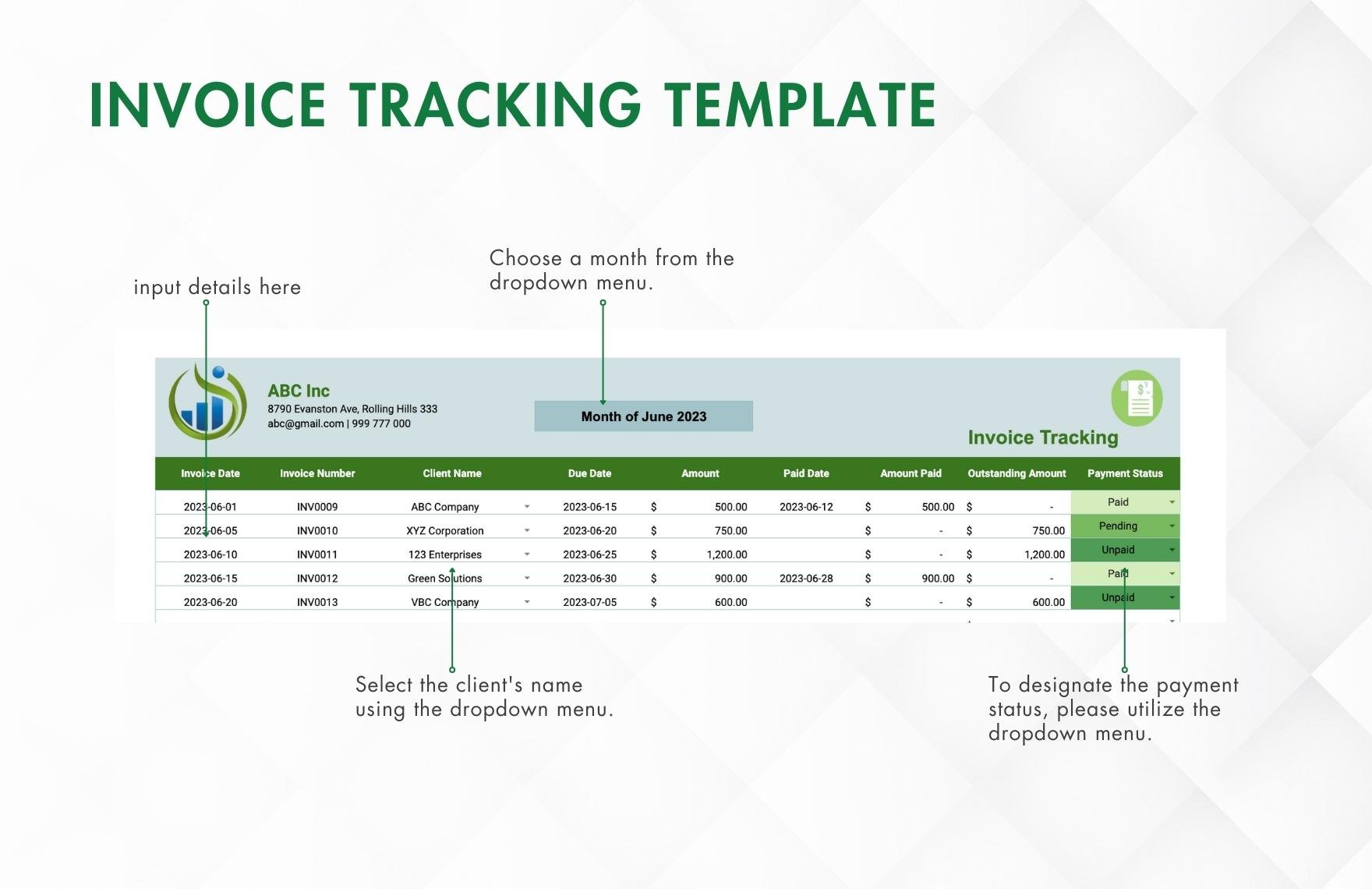
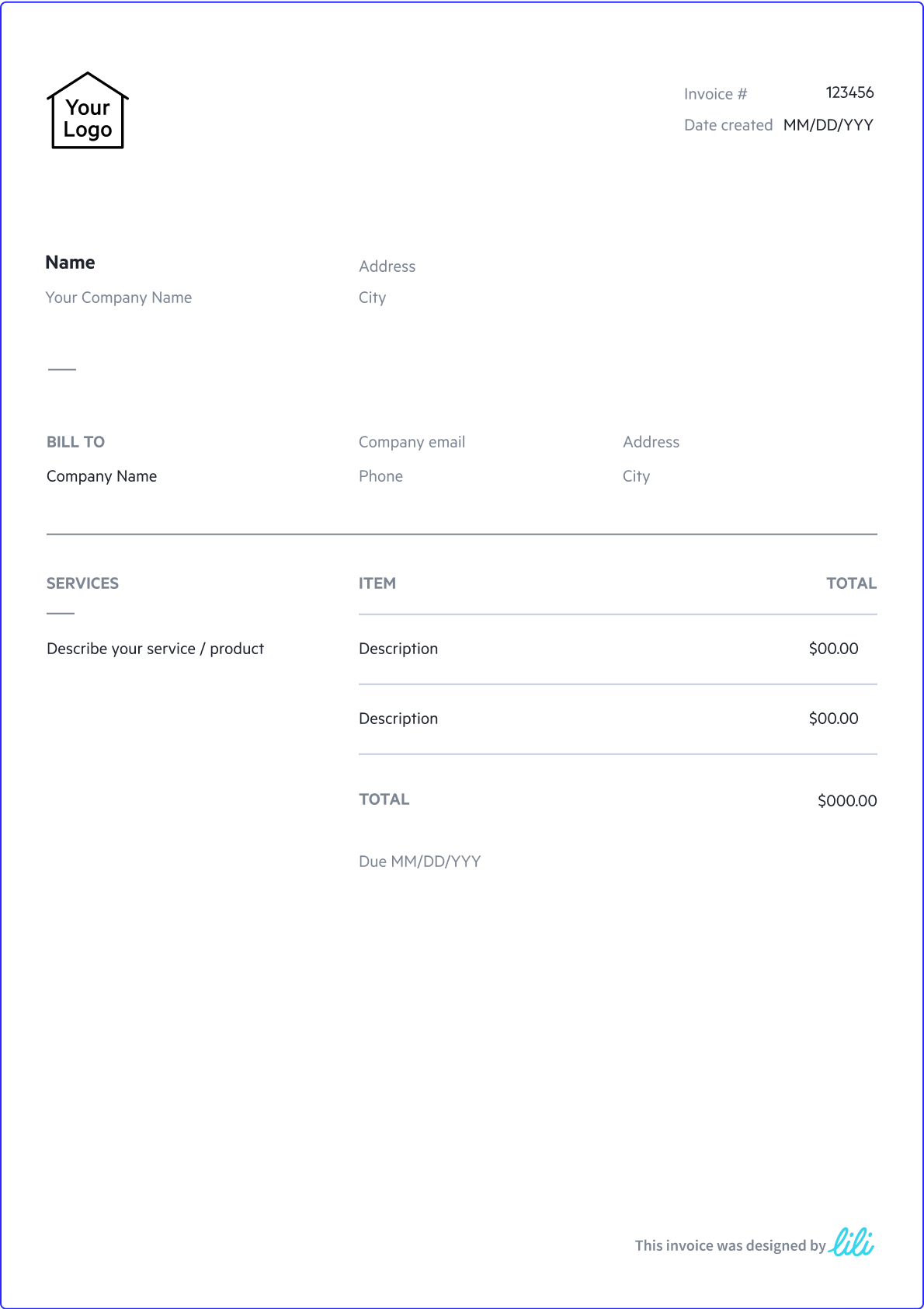
- Start by downloading a suitable invoice template from reliable sources or creating your own from scratch. Excel offers a variety of template options, including small business invoice templates and customizable invoice templates, ensuring you find one that aligns with your business needs.
- Once you have your template, familiarize yourself with its structure and layout. Take note of the different sections and their purposes. This understanding will guide you in customizing the template to reflect your brand and business practices.
- Personalize the template by adding your business logo, contact information, and any other relevant details. Excel's formatting tools allow you to adjust fonts, colors, and styles to create a professional and consistent look.
- Input your itemized list of goods or services, quantities, and prices. Excel's formula functionality enables you to calculate totals, taxes, and any other relevant calculations automatically. This ensures accuracy and saves time.
- Save your customized template for future use. You can now quickly generate invoices by inputting client-specific details and generating a professional invoice with minimal effort.
Variations and Contextual Differences
Invoice templates may vary depending on your industry, business size, and specific requirements. For example, a freelancer may require a simpler template focusing on services provided, while a retail business may need a more detailed template with sections for product descriptions and inventory management. Additionally, international businesses may need to consider different currency formats and language preferences. It's important to choose a template that aligns with your business needs and adapts to any unique requirements.
Common Mistakes and How to Avoid Them
One common mistake is failing to customize the template adequately. While Excel invoice templates offer a great starting point, they should be tailored to your specific business. Neglecting to add your branding, contact details, and unique formatting can result in generic-looking invoices that lack professionalism. Another pitfall is overlooking the importance of accuracy. Double-check your calculations and ensure all information is up-to-date and correct before sending invoices to clients. Finally, be mindful of the file format you use. While Excel is versatile, consider whether a PDF format might be more suitable for certain clients or situations, as it ensures the invoice appears as intended.
Practical Tips for Accurate and Efficient Invoicing
To ensure smooth invoicing processes, consider the following tips:
- Keep your template organized and easily accessible. Save it in a dedicated folder and name it clearly for quick retrieval.
- Regularly update your template with any changes to your business, such as new pricing structures or contact details.
- Utilize Excel's formula functionality to automate calculations and save time. This ensures accuracy and reduces the risk of errors.
- Consider adding notes or instructions within the template to guide your invoicing process. This can be especially useful if multiple team members are involved.
- For a professional touch, print your invoices on high-quality paper. Choose a paper size that suits your needs, such as US Letter or A4, and ensure your printer settings are optimized for the best results.
- Finally, review your invoices before sending them. Check for any errors, typos, or formatting issues. A quick review can prevent potential misunderstandings or delays in payment.
While the specifics may vary slightly depending on your needs and the context, the steps outlined in this guide should provide a solid foundation for creating and using an invoice template in Excel. Remember, every person's requirements and preferences are unique, so feel free to adapt and customize the template to fit your business perfectly.
If you found this guide helpful, why not explore our other resources? We have a range of practical, easy-to-follow guides on various topics, from budgeting templates to project planning. You might just discover a new favorite tool to streamline your processes!
Images