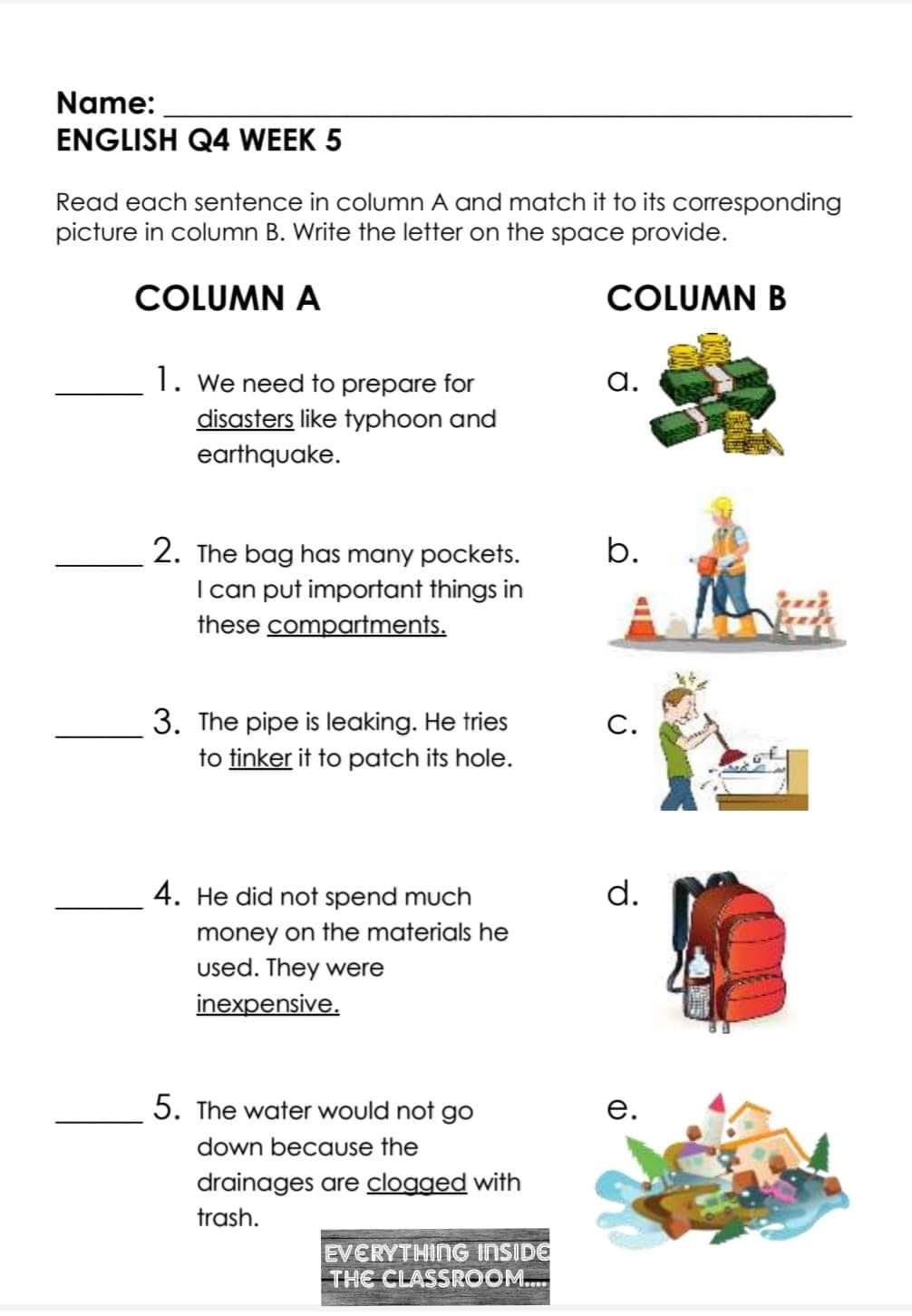
Get Ready: Kindergarten Worksheets Q4W5
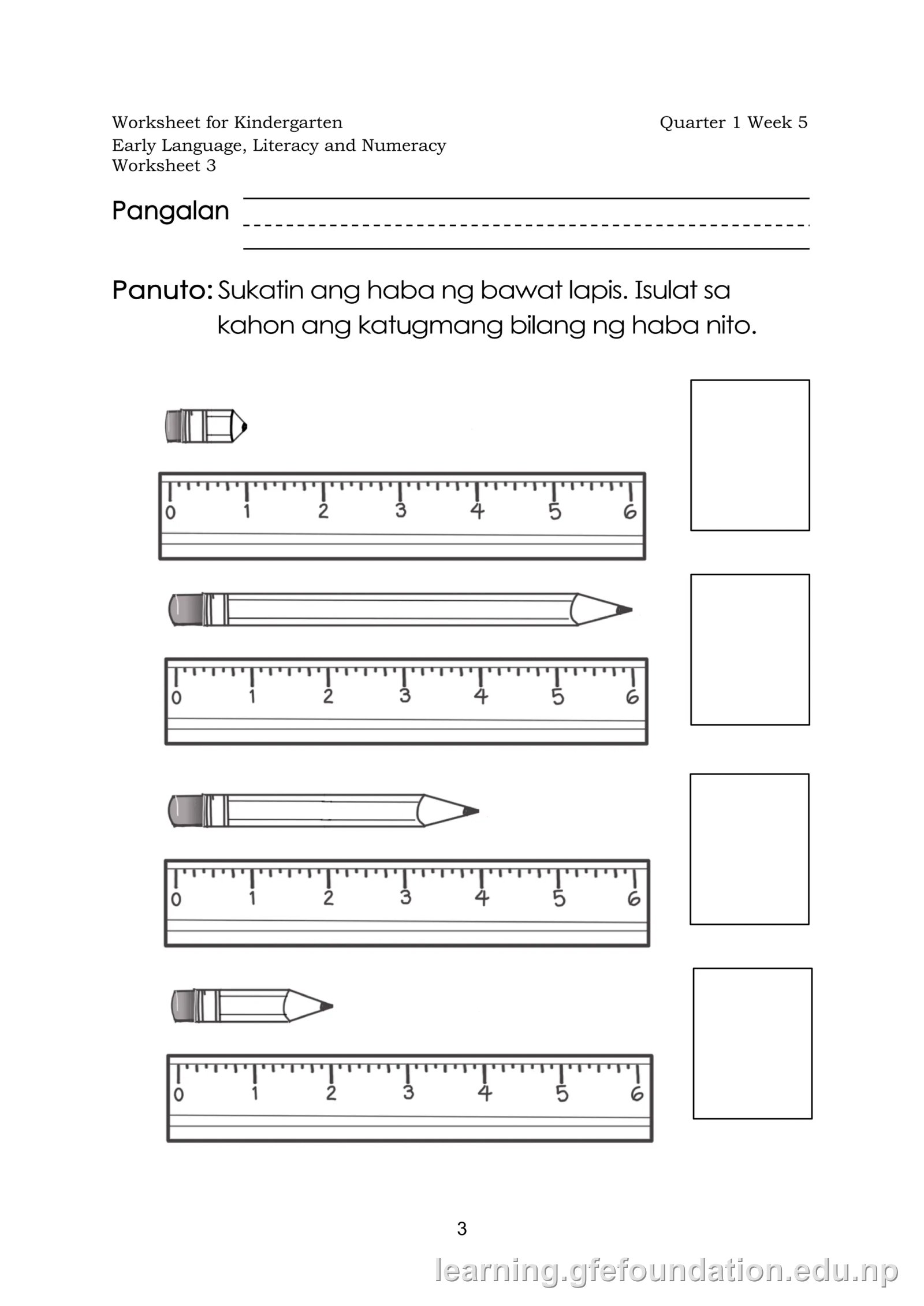
Find "kindergarten worksheets quarter 4 week 5" and get your child engaged with fun, educational activities. Print and go!
Kindergarten worksheets quarter 4 week 5 are here to make learning fun and engaging for your little ones. This guide will show you how these printable resources can be a great addition to your teaching toolkit. With a focus on week 5's learning objectives, these worksheets offer a creative way to reinforce key concepts.
Kindergarten Worksheets: A Focus on Quarter 4, Week 5
Kindergarten worksheets for Quarter 4, Week 5 are an excellent resource for teachers and parents to reinforce key concepts and skills. These worksheets typically cover a range of subjects, offering a well-rounded learning experience. Let's explore what they entail and how to make the most of them.
Comparing Formats and Styles
When it comes to kindergarten worksheets quarter 4 week 5, you'll find a variety of formats and styles. Some common types include:
Thematic Worksheets: These often feature a specific theme, like animals, seasons, or holidays, making learning engaging and fun.
Subject-Specific Worksheets: Focused on a particular subject like math, literacy, or science, these worksheets target essential skills.
Mixed Review Worksheets: Offering a mix of different subjects, these provide a comprehensive overview of learning.
Each format has its advantages, and the choice depends on your goals and the learner's needs.
Using Kindergarten Worksheets: A Step-by-Step Guide
Here's a simple guide to using kindergarten worksheets effectively:
Select the Right Worksheet: Choose a worksheet that aligns with the learner's age, grade level, and skill set. Consider their interests and learning style too.
Prepare the Workspace: Ensure a quiet, comfortable environment with all the necessary materials: pencils, erasers, crayons, or other tools.
Introduce the Worksheet: Explain the purpose and any instructions. Break down complex tasks into simpler steps if needed.
Provide Support: Offer guidance and encouragement throughout. Be patient and celebrate their achievements.
Review and Assess: Once completed, go over the worksheet together. Correct any mistakes and discuss the learning points.
Store or Display: Keep completed worksheets for future reference or display them to boost confidence and motivation.
Common Misconceptions and How to Avoid Them
A common misconception is that worksheets are only for practice and not for learning. In fact, well-designed worksheets can be powerful teaching tools. Another pitfall is using worksheets that are too advanced or too simple, which can lead to frustration or boredom. Always choose worksheets that match the learner's ability level.
Factors Affecting Success
Several key factors influence the effectiveness of kindergarten worksheets:
Age and Grade Level: Worksheets should be appropriate for the learner's age and grade, challenging but not overwhelming.
Interest and Engagement: Choose worksheets with themes or subjects that capture the learner's interest.
Support and Guidance: Provide adequate support and guidance to ensure understanding and avoid frustration.
Variety and Balance: Offer a mix of worksheet types to maintain interest and cover a range of skills.
Adapting Worksheets for Different Abilities
Kindergarten worksheets can be adapted to suit a range of abilities and learning styles. Here are some tips:
Simplify or Extend: For struggling learners, simplify tasks or provide additional support. For advanced learners, extend the worksheet with extra challenges.
Visual Aids: Use visual aids, such as pictures or diagrams, to support understanding and engagement.
Hands-On Activities: Incorporate hands-on activities or manipulatives to make learning more interactive and fun.
Collaborative Learning: Encourage peer learning by having learners work together on worksheets.
Choosing the Right Format and Tools
When selecting kindergarten worksheets quarter 4 week 5, consider the learner's needs and preferences. Digital worksheets offer flexibility and can be easily adapted, while printed worksheets provide a tangible learning experience. Choose the format that works best for your situation.
As for tools, simple writing utensils like pencils and crayons are often sufficient. For more creative or artistic worksheets, consider colored pencils or markers. Always ensure the learner has the necessary tools to complete the tasks.
Keeping Your Setup Reliable
To ensure a smooth and reliable learning experience with kindergarten worksheets:
Organize and Store: Keep worksheets organized and easily accessible. Consider using binders or folders to store completed worksheets for future reference.
Plan Ahead: Plan your lessons and worksheets in advance to ensure a consistent and structured learning journey.
Review and Update: Regularly review and update your worksheet collection to ensure it aligns with current learning objectives and the learner's progress.
By following these steps and adapting to the learner's needs, kindergarten worksheets can be a valuable tool for reinforcing learning and building skills.
Hey there! We've covered a lot of ground on kindergarten worksheets, and I hope this guide has been helpful. Remember, when it comes to printable resources, there's no one-size-fits-all approach. Each worksheet, template, or coloring page may vary slightly depending on your unique needs and preferences.
So, take what works for you and adapt it to your situation. Feel free to explore our other guides for more ideas and inspiration. And don't forget to bookmark this page for future reference—it's always handy to have these resources at your fingertips!
Images