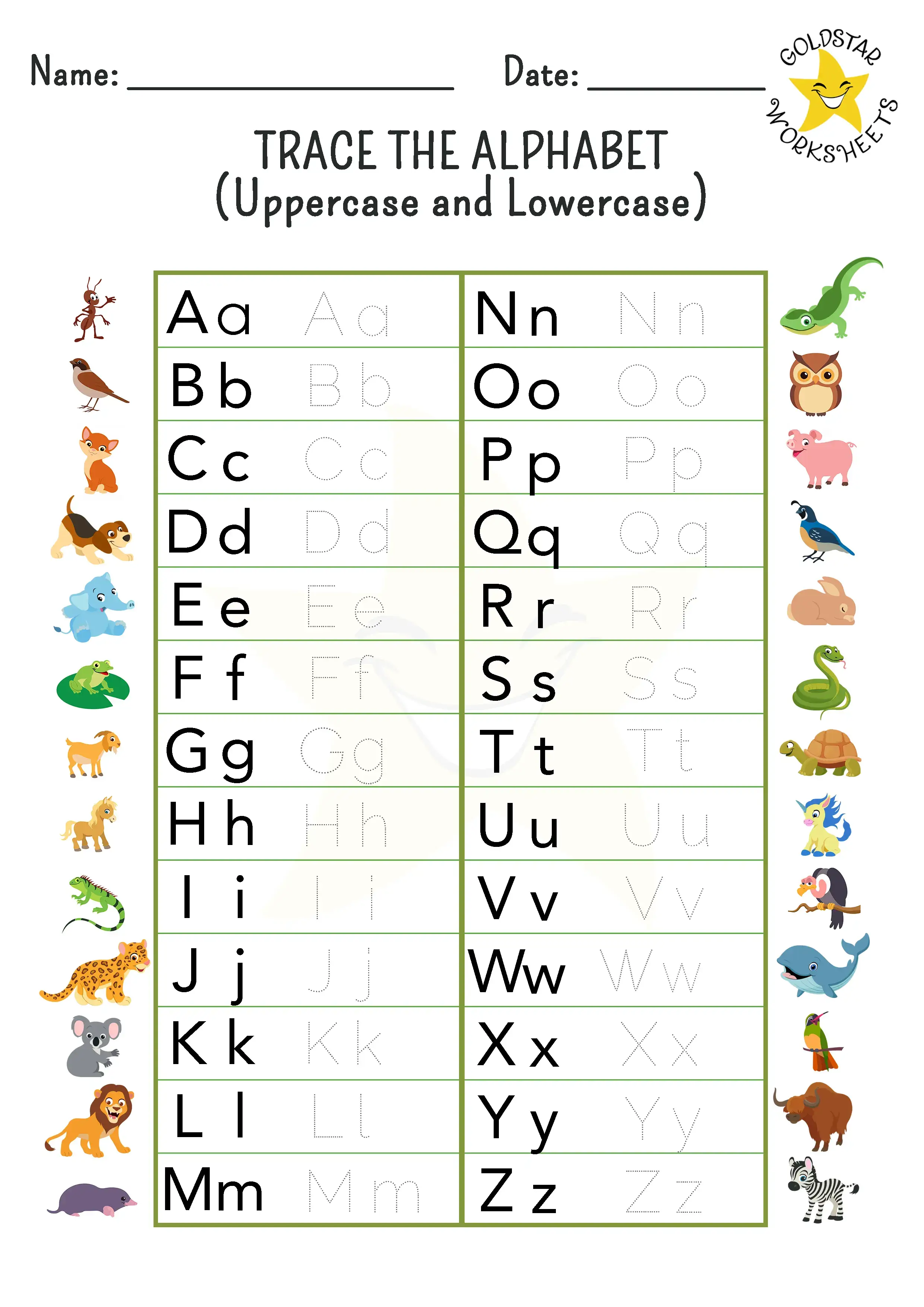
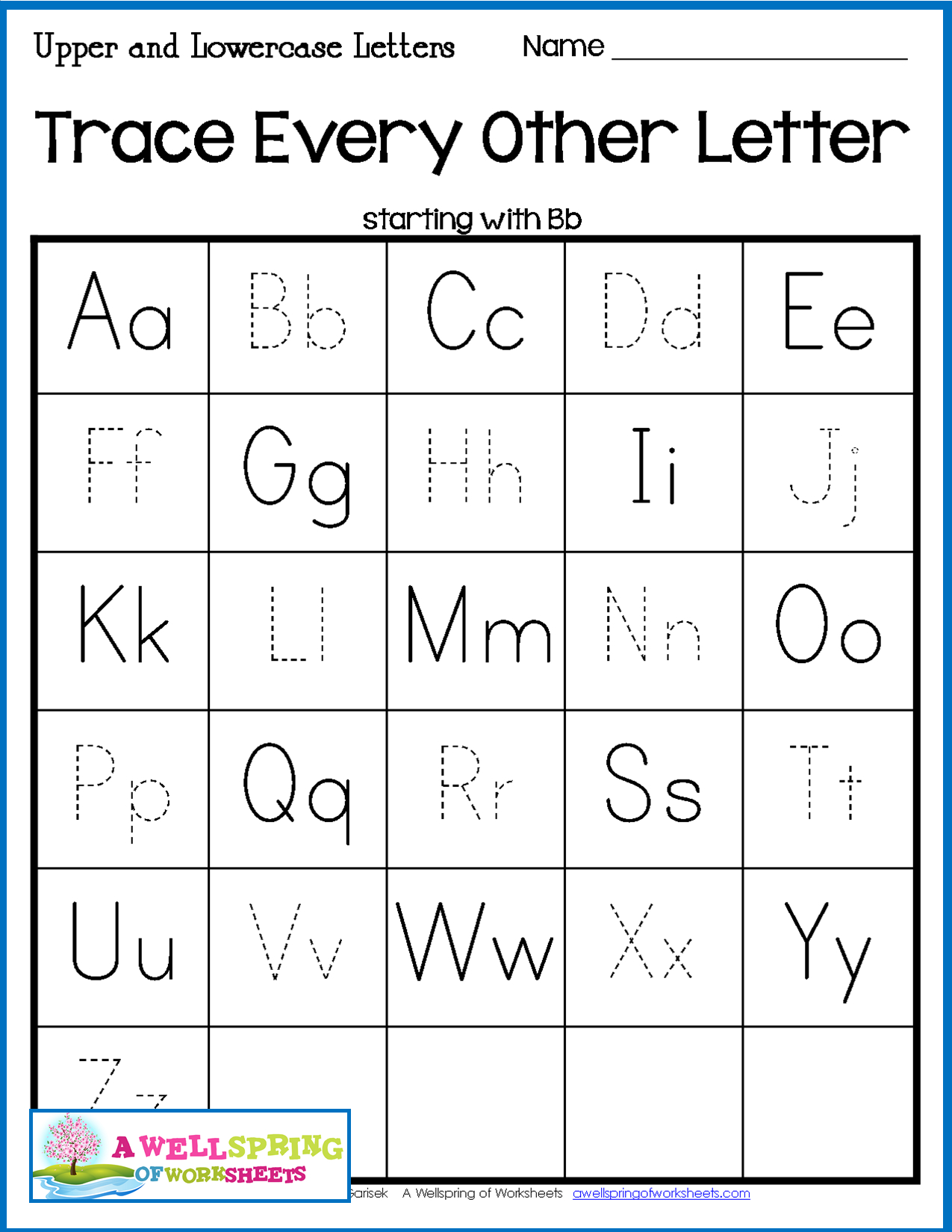
Need kindergarten worksheets? Uppercase and lowercase?
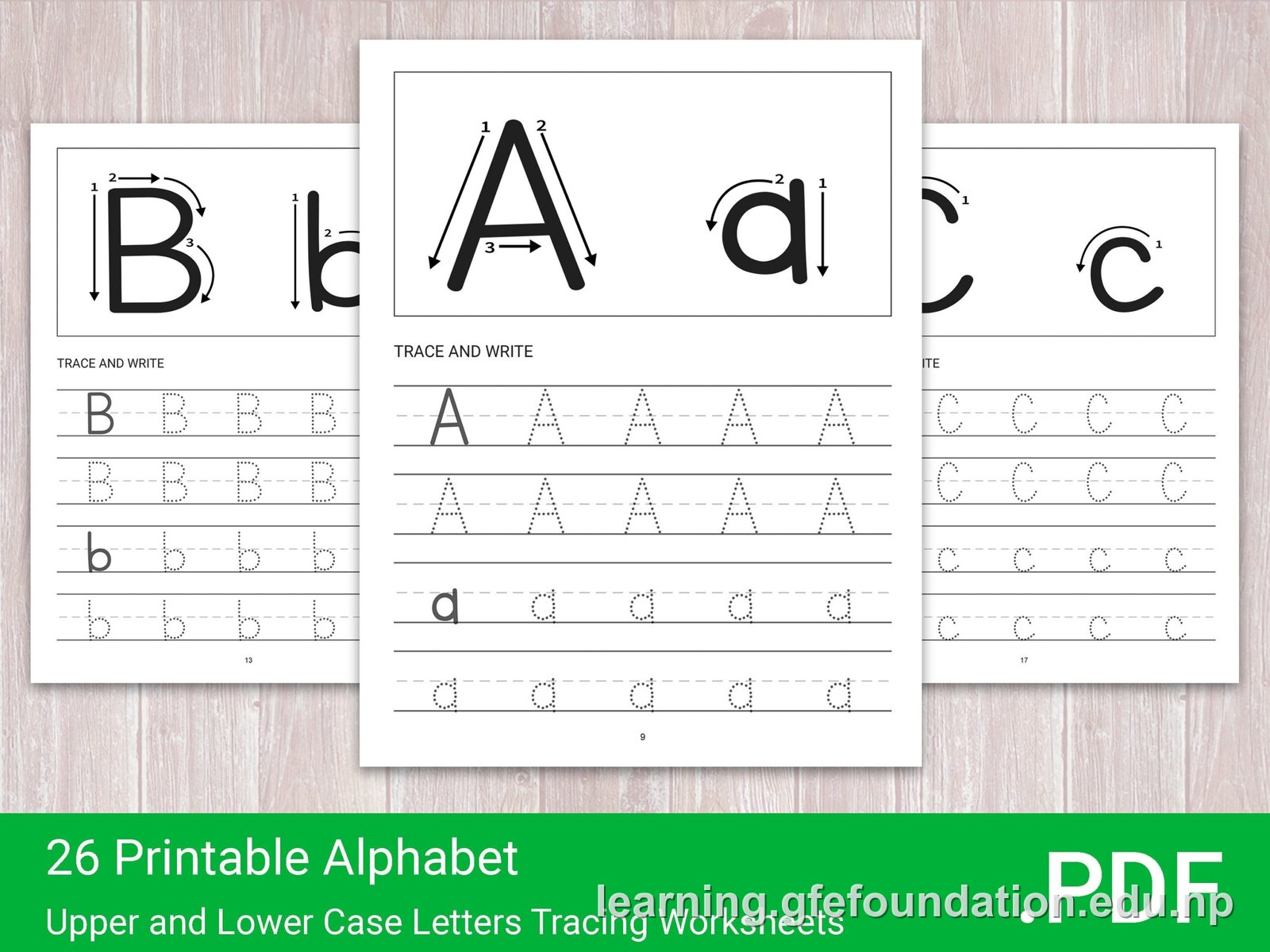
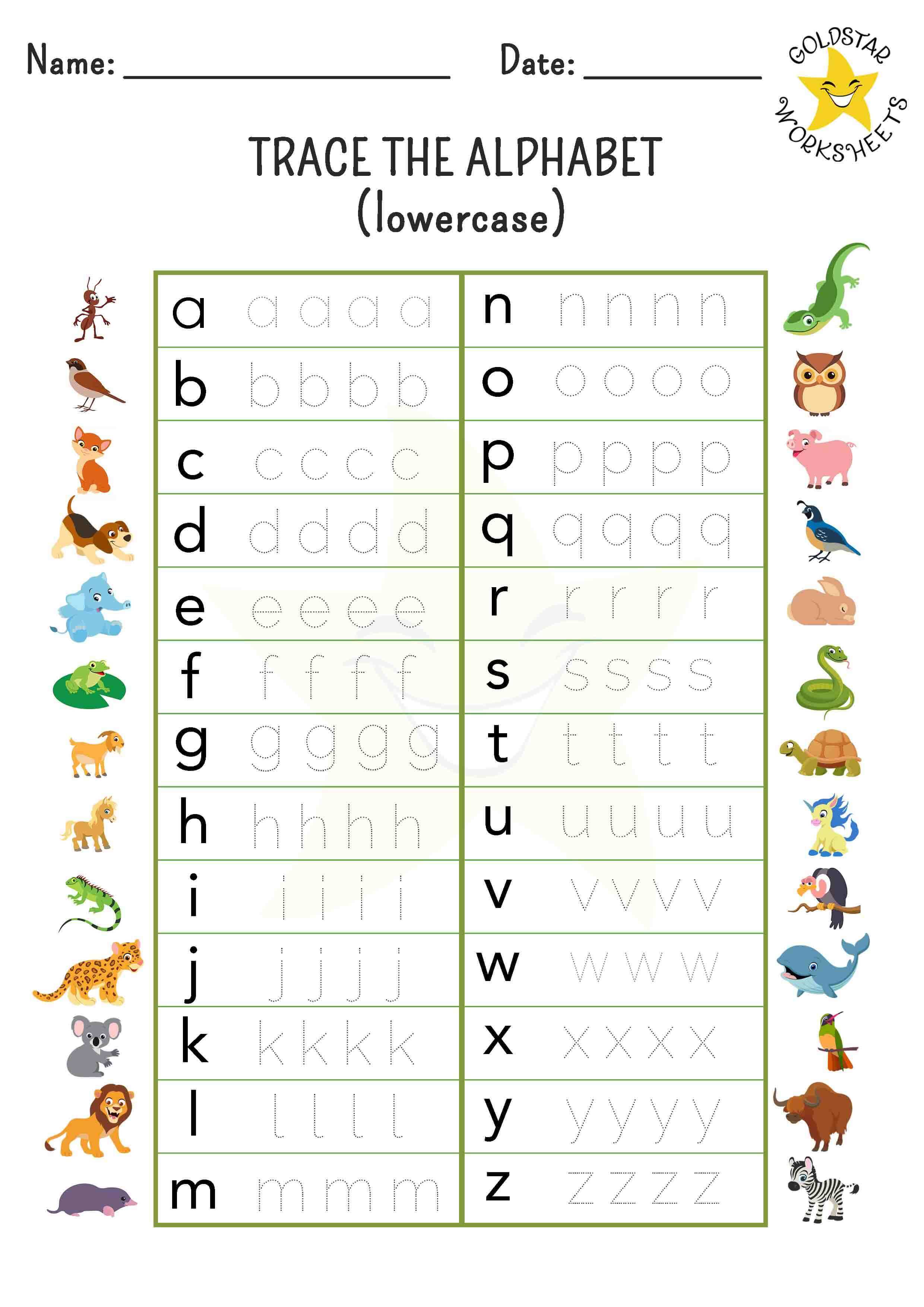
Kindergarten worksheets uppercase and lowercase are ready to print and use. A quick, easy way to teach letter recognition and writing. Get started today!
Many parents and educators may assume that kindergarten worksheets uppercase and lowercase are solely for letter recognition, but these resources offer so much more. While identifying upper and lowercase letters is an essential skill, these worksheets provide a versatile tool for early literacy development.
Beyond simple recognition, these printable pages encourage children to explore and engage with the alphabet through various activities, helping them build a strong foundation for reading and writing.
Kindergarten Worksheets: Uppercase and Lowercase
Kindergarten worksheets focusing on uppercase and lowercase letters are a valuable tool for early learners. These printables offer a structured approach to letter recognition and formation, an essential foundation for reading and writing skills.
Key Details and Prerequisites
These worksheets typically cover the entire alphabet, with a focus on differentiating between uppercase and lowercase letters. They are designed for kindergarten-aged children, usually around 4 to 6 years old, who are beginning to develop their letter knowledge. It is beneficial for children to have some prior exposure to letters and their sounds, as these worksheets build on that foundation.
Using the Worksheets: A Step-by-Step Guide
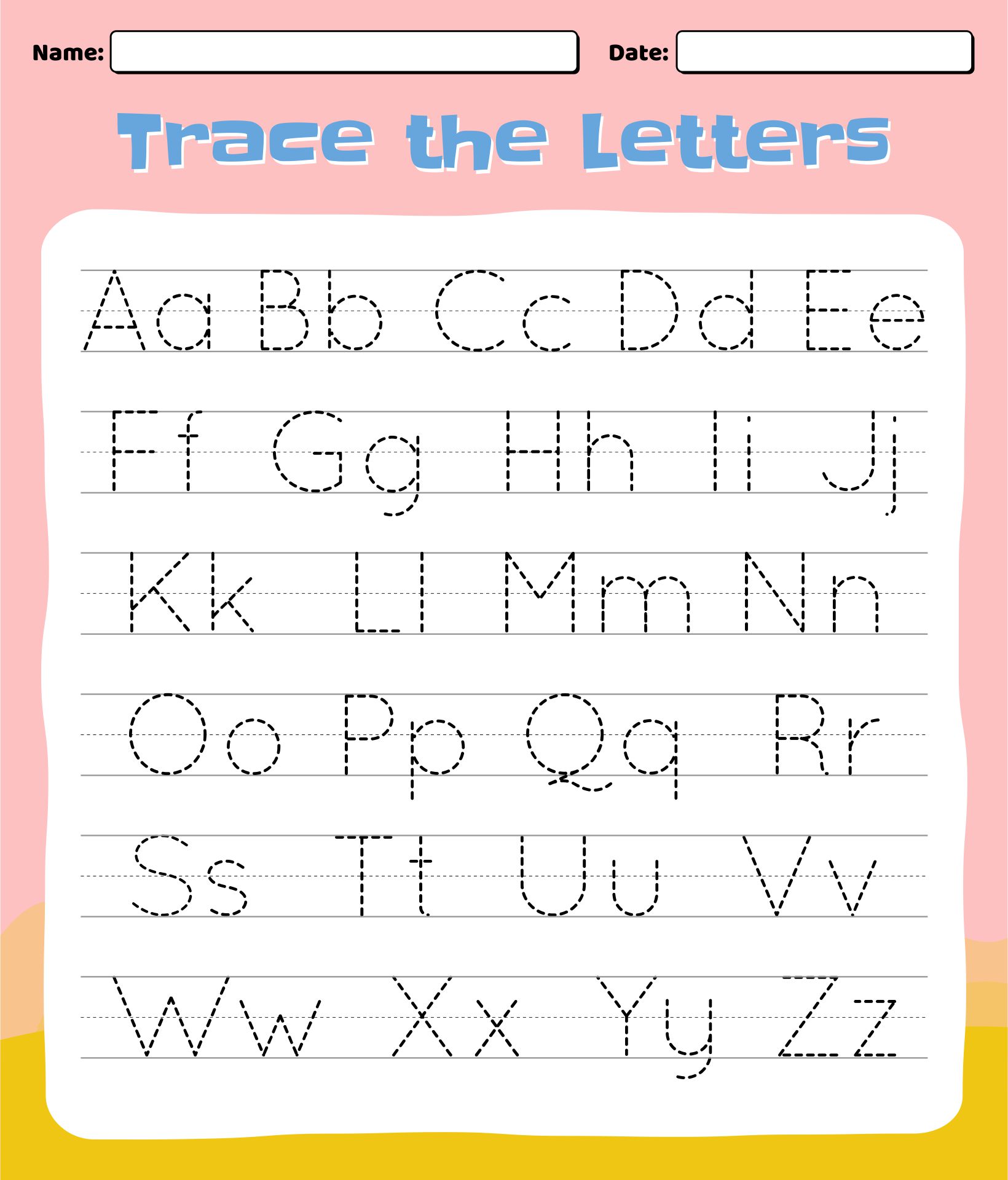
Begin by introducing the worksheet to your child or students. Explain the concept of uppercase and lowercase letters, highlighting their visual differences. Then, guide them through the worksheet, encouraging them to trace or write the letters, focusing on proper letter formation. You can also incorporate letter sounds, asking children to say the sound as they write or trace.
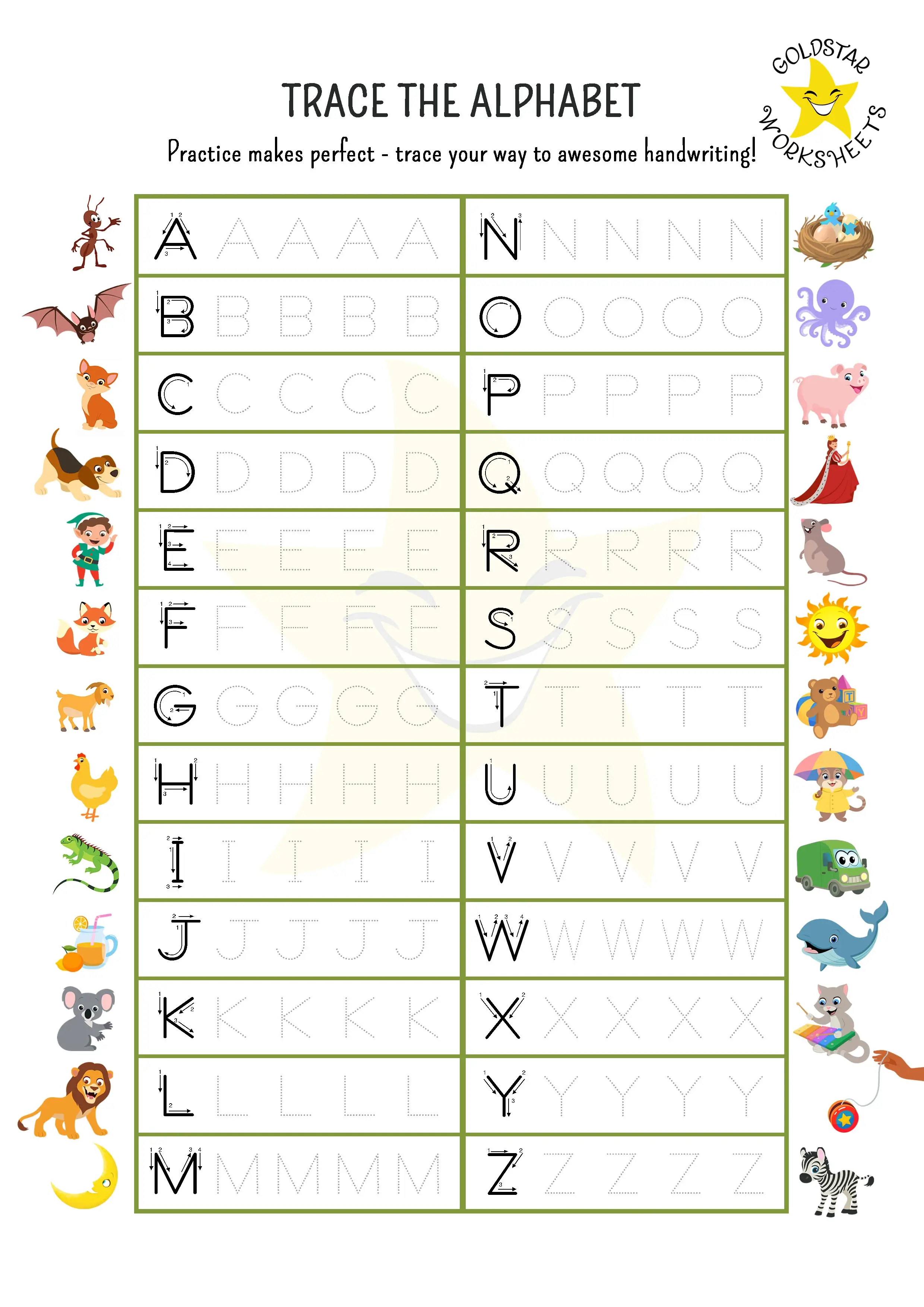
For tracing worksheets, demonstrate the correct starting point and direction for each letter. Encourage children to follow the lines or dots, ensuring they understand the correct letter formation. For writing worksheets, provide a model of the letter and guide them through the steps to form it independently.
Variations and Differences
- Kindergarten worksheets uppercase and lowercase may vary in their approach, with some focusing solely on letter recognition, while others incorporate letter sounds and formation.
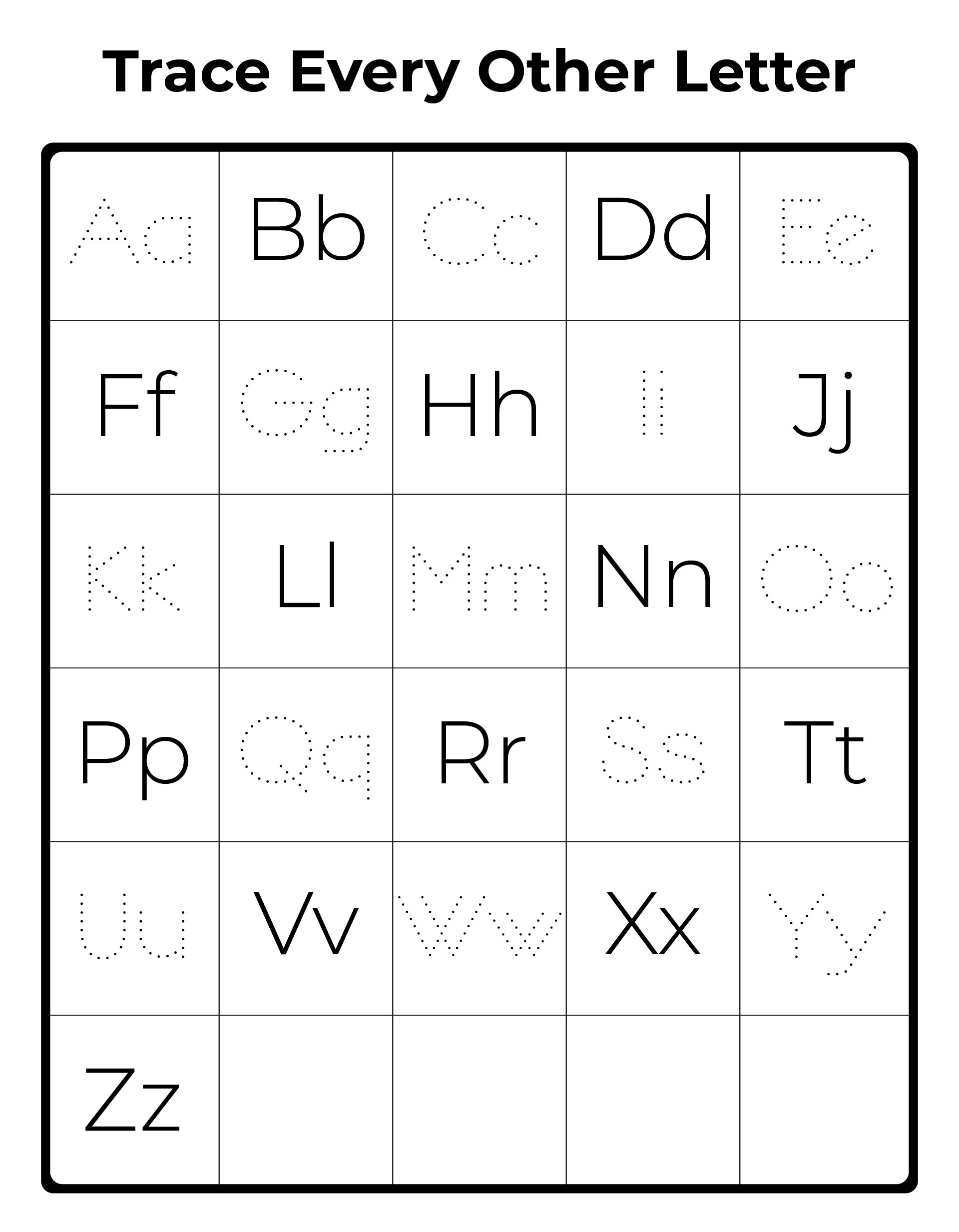
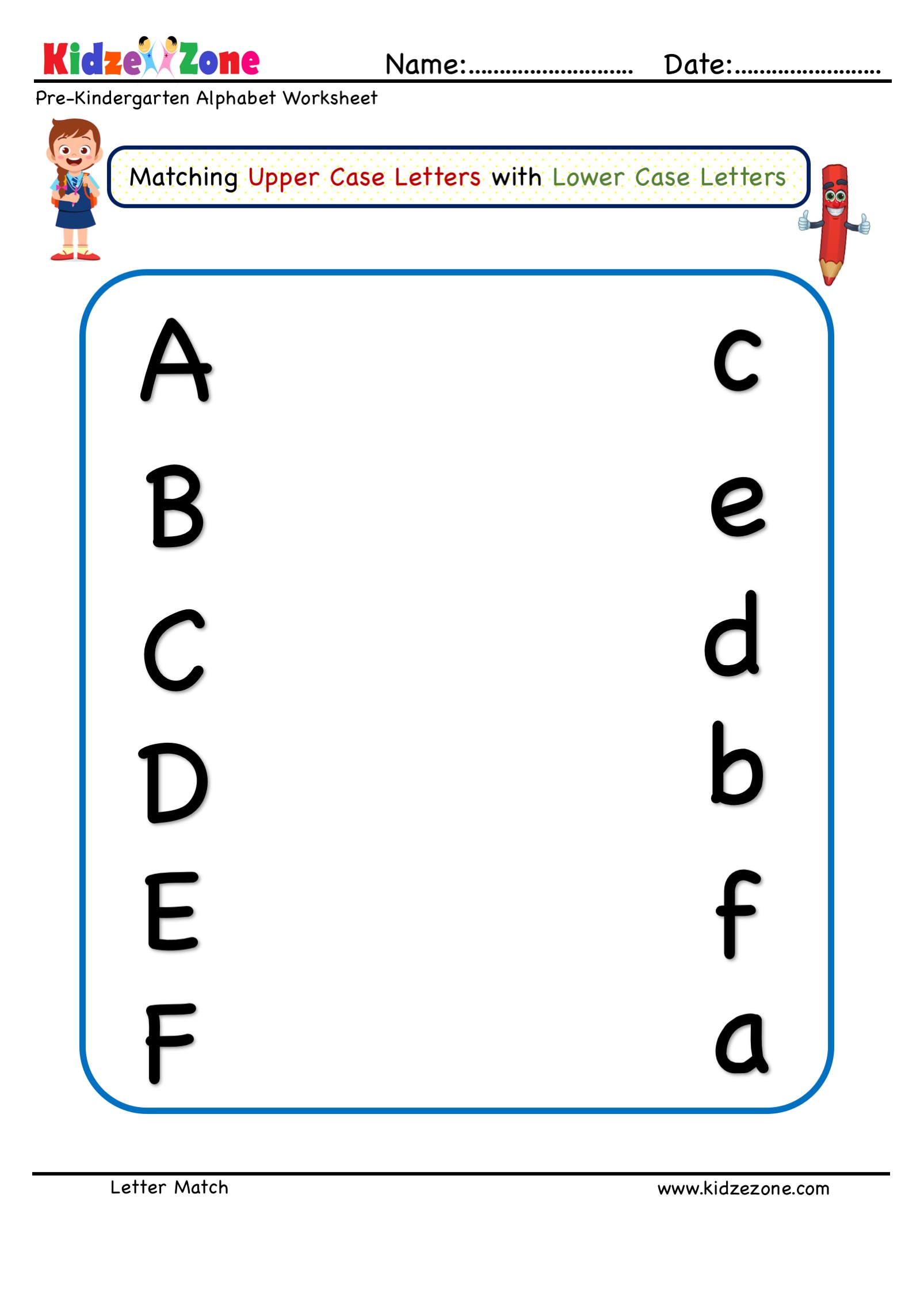
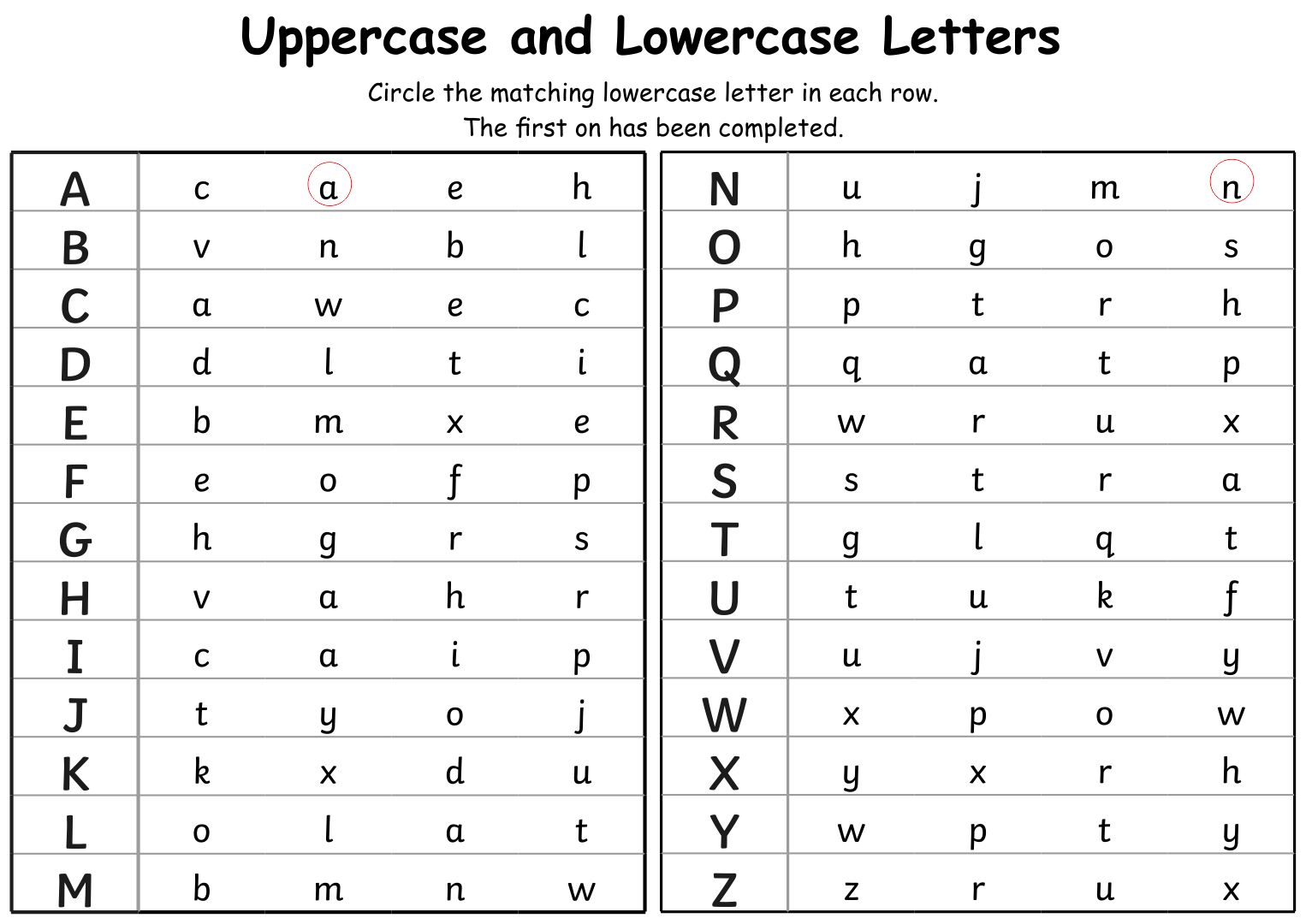
- The level of difficulty can also differ, with some worksheets offering a mix of uppercase and lowercase letters, while others separate them to provide a more focused practice.
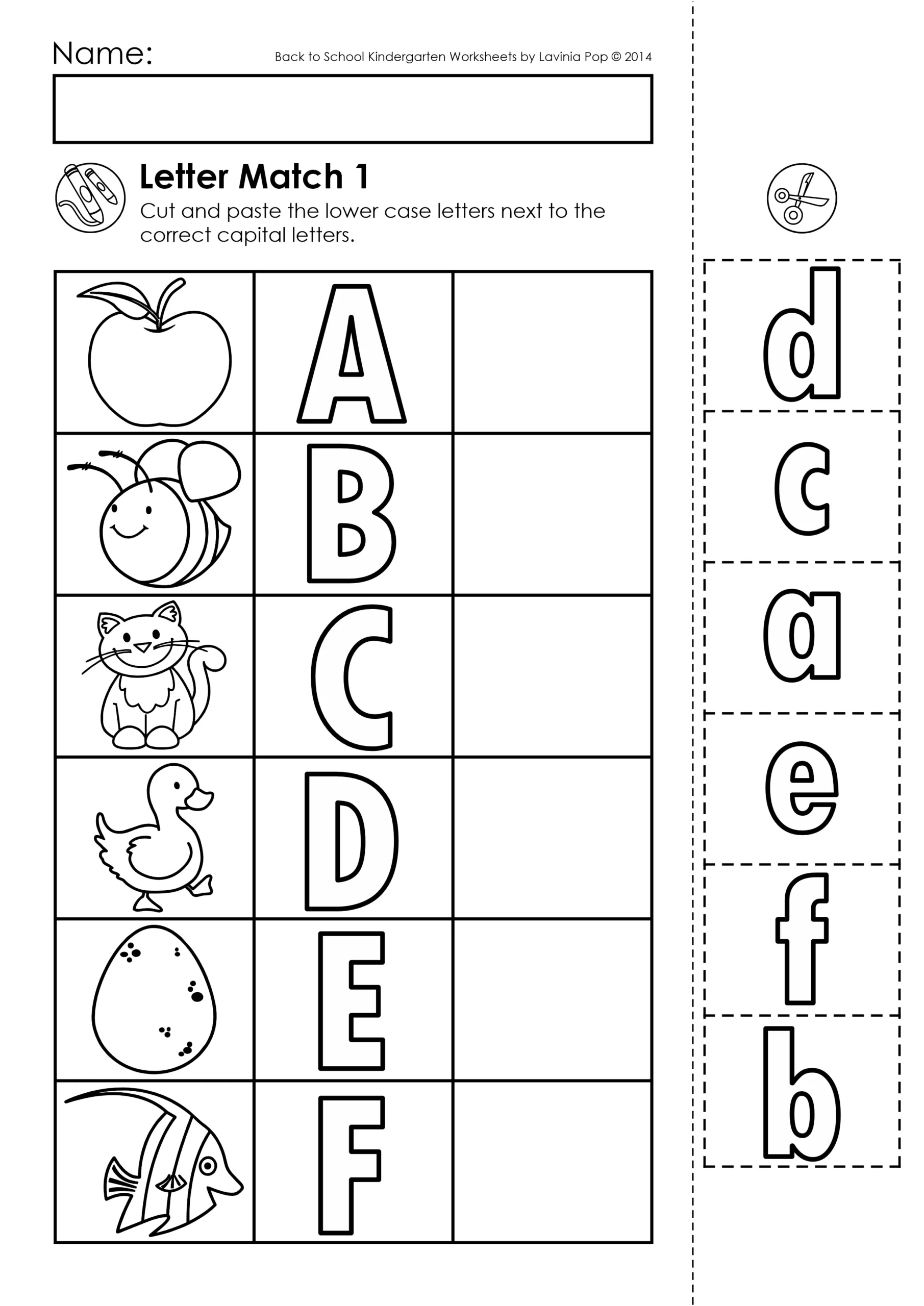
- Letter recognition worksheets often include visual cues, such as pictures or objects associated with each letter, to aid in letter identification.
Common Mistakes and How to Avoid Them
One common mistake is rushing through the worksheets, which can lead to incorrect letter formation or a lack of understanding. Encourage a steady pace, allowing children to take their time and focus on accuracy. Another pitfall is neglecting to provide a model or guide for letter formation. Always demonstrate the correct way to write each letter, especially for those new to letter writing.
Additionally, be mindful of the child's age and ability level. While these worksheets are designed for kindergarteners, some children may need extra support or a simpler approach. Adapt the worksheets or provide additional guidance to ensure a positive and effective learning experience.
Remember, while these worksheets are a fantastic learning tool, every child's progress is unique, so adapt and have fun with it! The key is to keep things engaging and tailored to their pace.
Feel free to explore our other guides for more educational resources and creative ways to make learning enjoyable. Bookmark this page for a handy reference; you never know when you might need a quick reminder!
Images