Fun Planner Inserts for Kids: Printable Guide
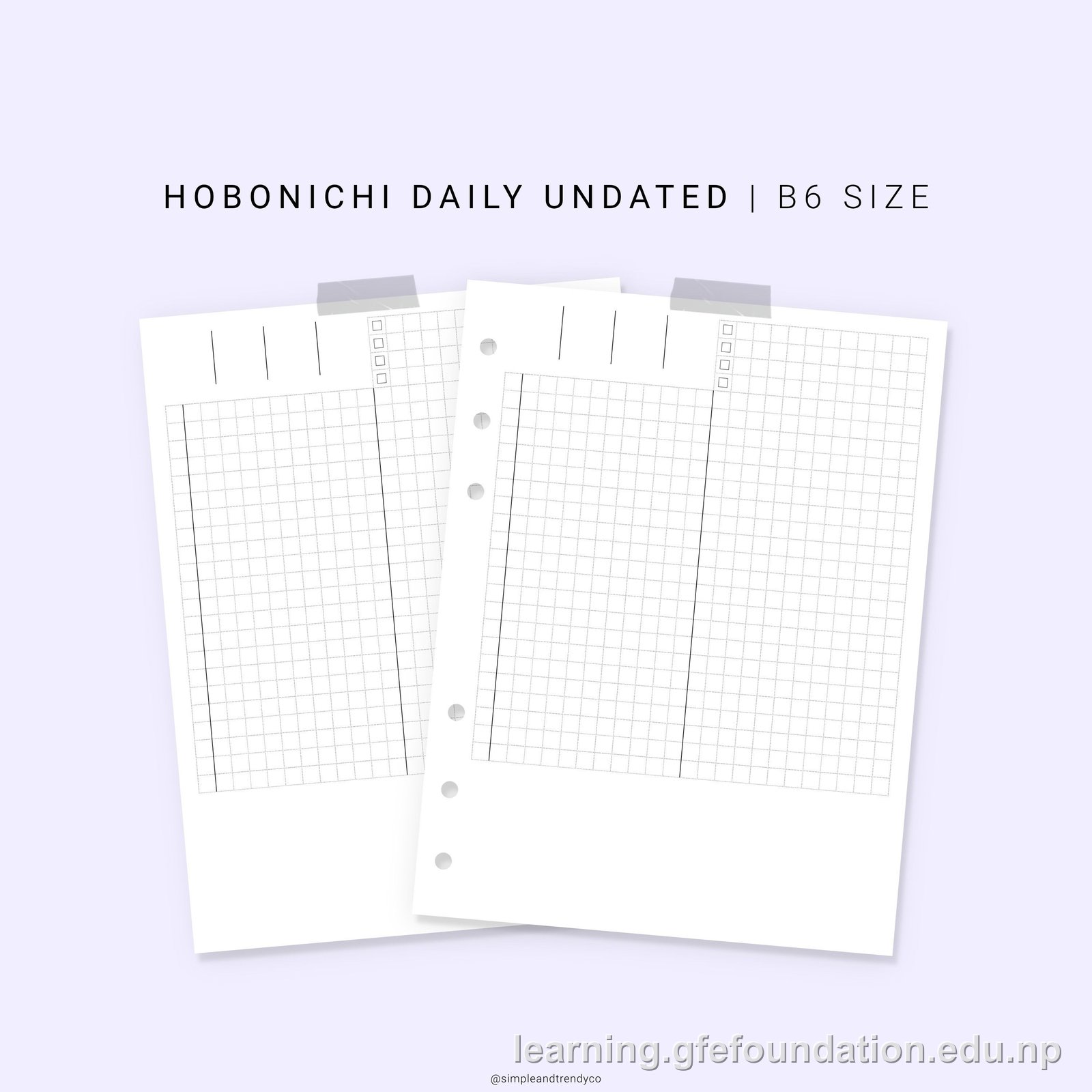
Get creative with our planner inserts for kids. Print and use these fun inserts to track goals and have fun. Start planning today!
A common misconception about planner inserts for kids is that they are solely for older children or teens. However, these versatile resources can be adapted and used for a wide range of ages, making them an excellent tool for organizing and engaging younger kids too.
"Planner inserts for kids" offer a fun and interactive way to introduce structure and planning skills. Whether it's a simple coloring page or a more detailed template, these printables can be tailored to suit different needs and learning styles, making them a great addition to any child's toolkit.
Planner Inserts for Kids: A Practical Guide
Planner inserts for kids are a fantastic way to introduce organization and planning skills to young minds. These printable inserts are designed to fit into various planner systems, offering a fun and engaging way to teach time management and goal setting.
Key Details and Prerequisites
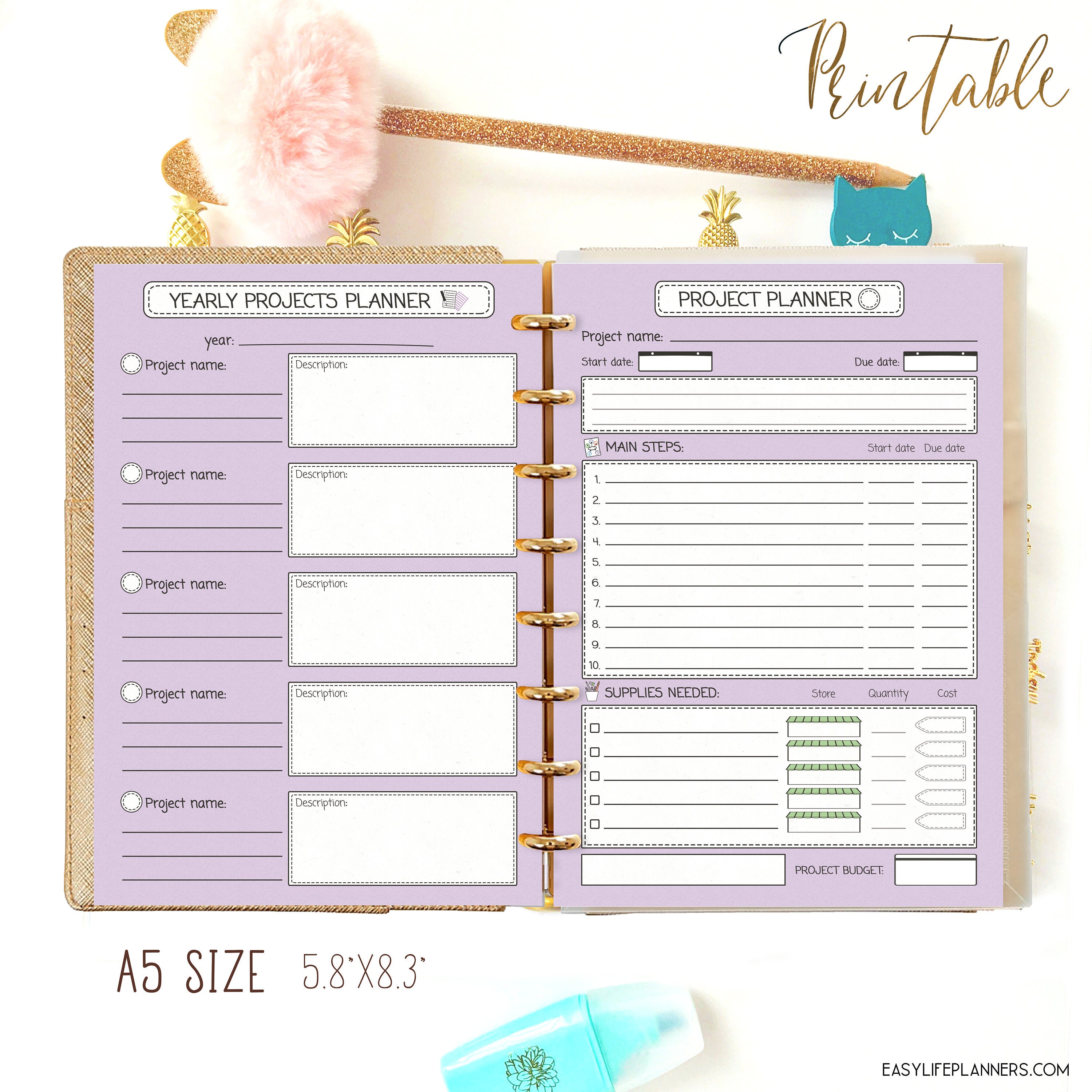
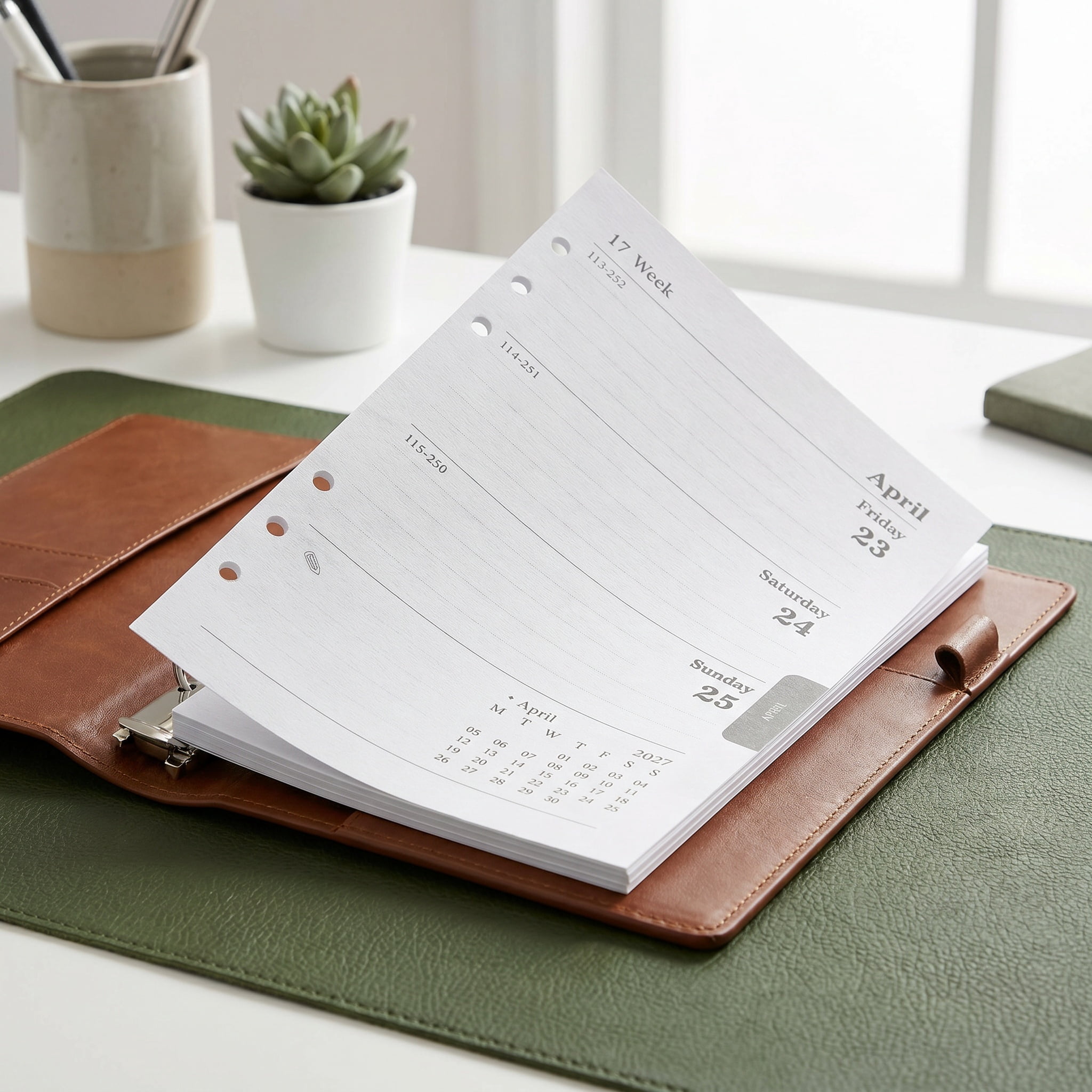
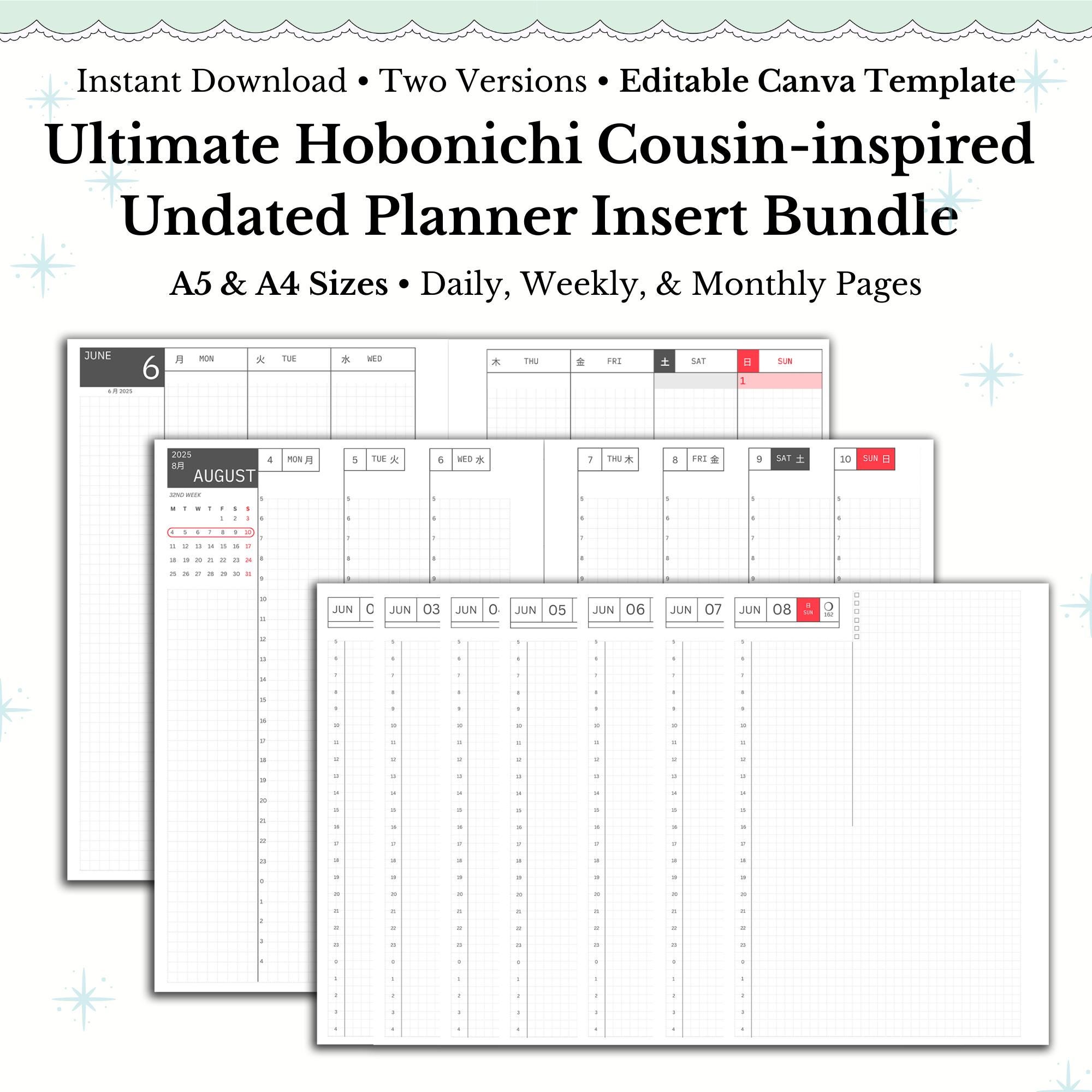
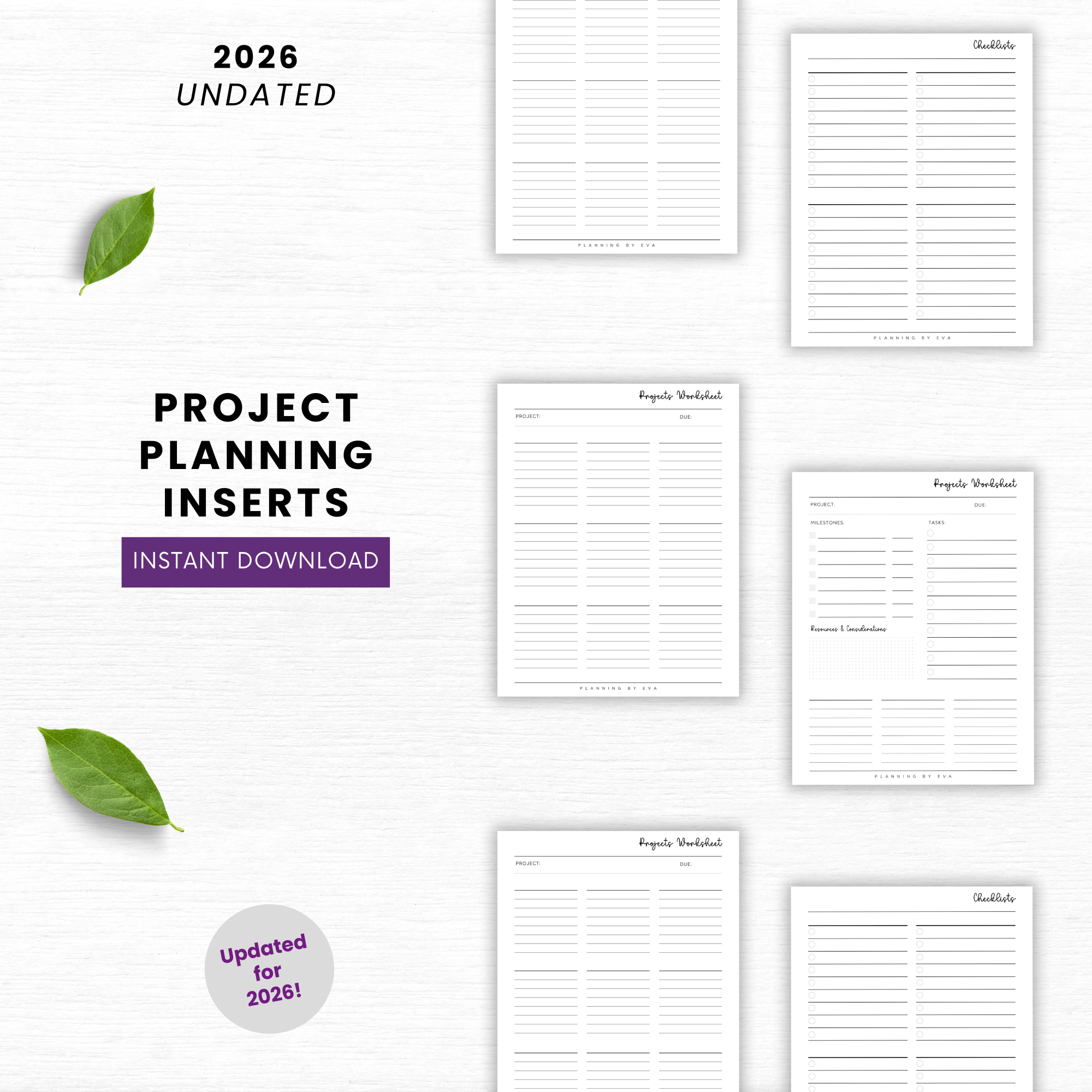
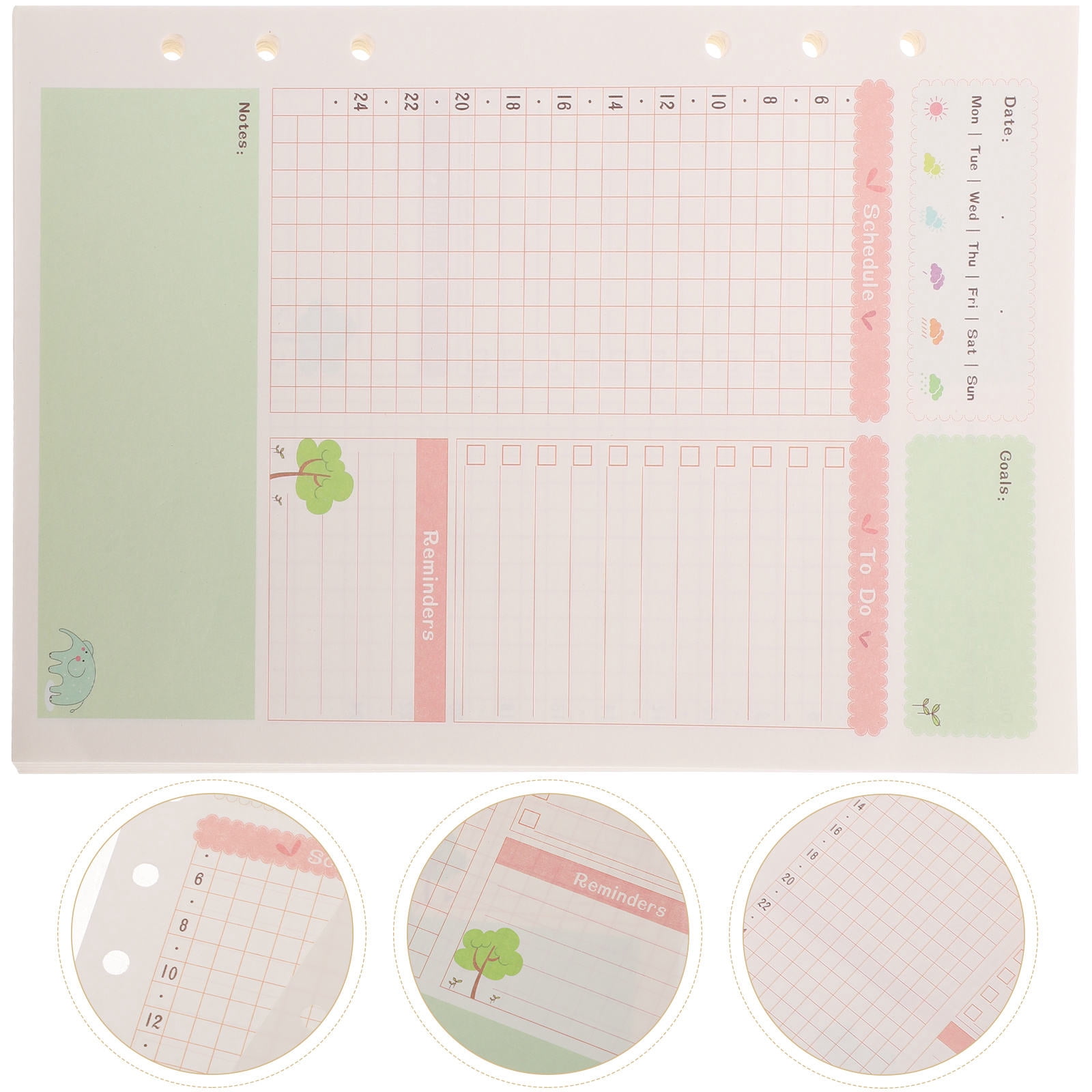
Planner inserts for kids come in a variety of themes and designs, catering to different age groups and interests. Common themes include colorful calendars, daily or weekly planners, habit trackers, and goal-setting pages. These inserts are typically available in standard planner sizes, such as A4 or US Letter, and are often offered in digital formats like PDFs.
Setting Up and Using Planner Inserts for Kids
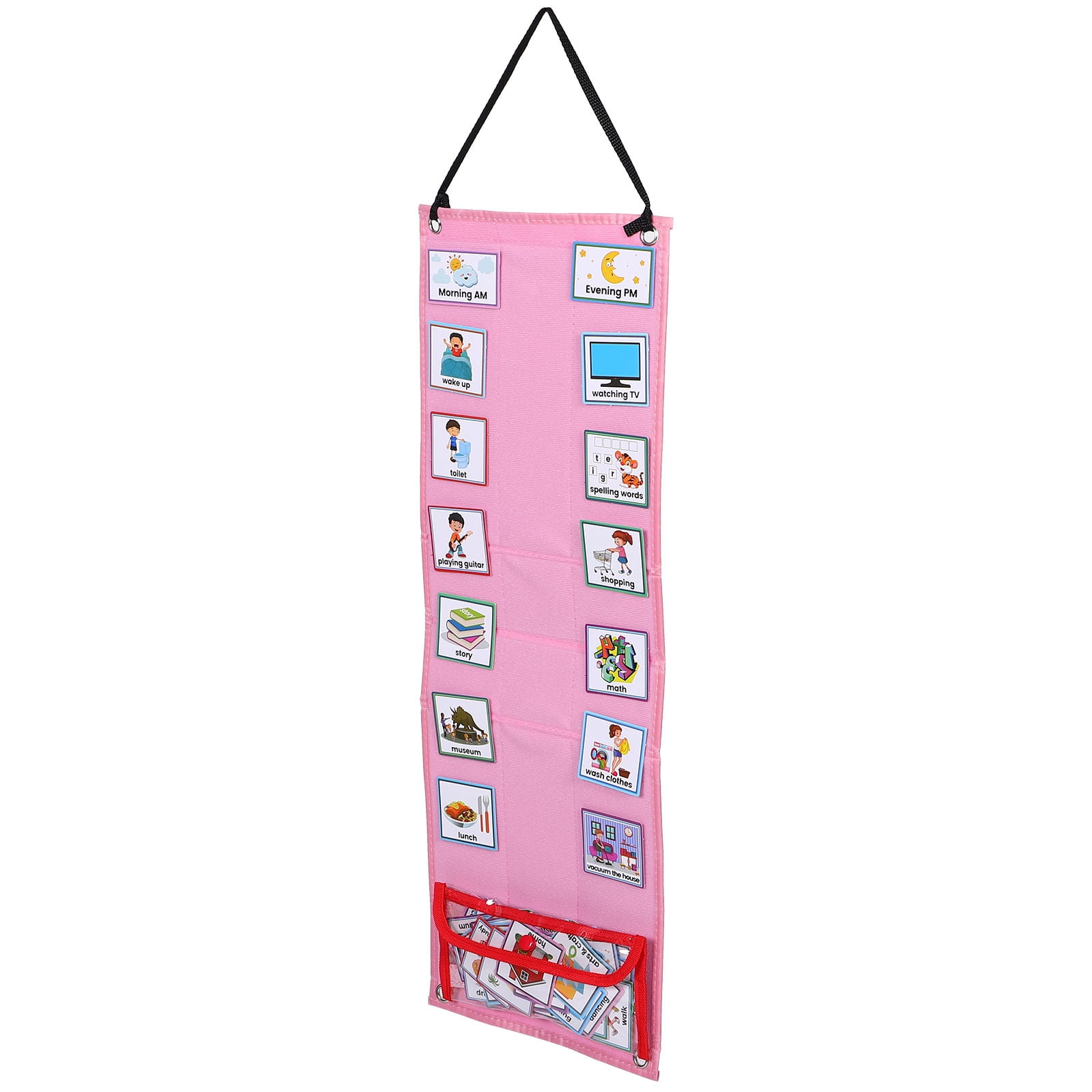
Choose the right inserts: Select inserts based on your child's age and interests. For younger children, consider simple daily planners with fun illustrations. Older kids may prefer more detailed weekly or monthly planners.
Print and assemble: Print the inserts on A4 or US Letter paper, depending on your planner size. Ensure your printer settings are correct to avoid scaling issues. You can use regular printer paper, but for a more durable option, consider printing on thicker paper or even cardstock.
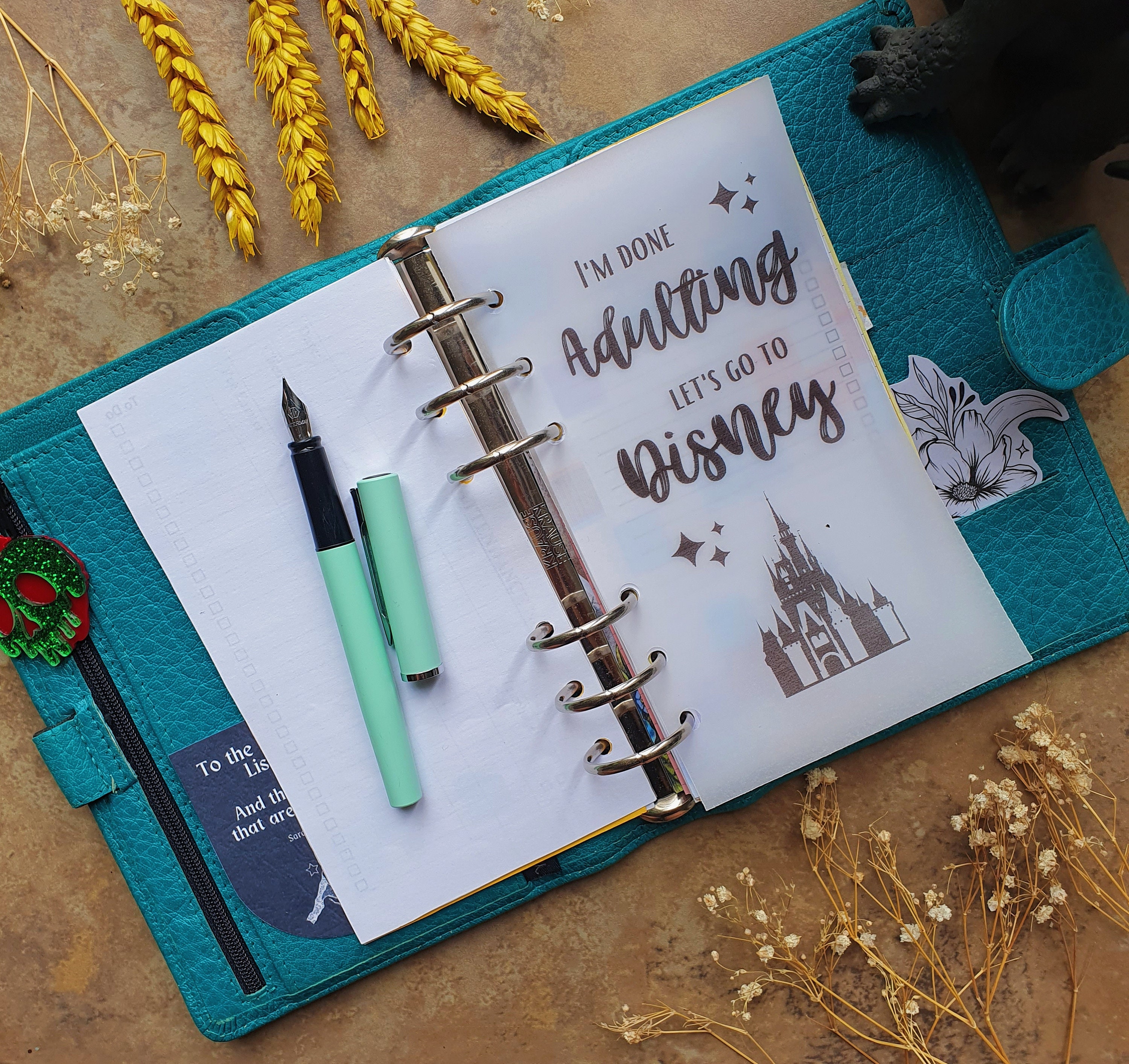
Personalize and customize: Encourage your child to personalize their planner by adding stickers, washi tape, or drawings. This makes the planning process more enjoyable and helps them take ownership of their planner.
Introduce planning concepts: Start by explaining the basics of planning and time management. Show your child how to fill in dates, set goals, and track their progress. Keep it simple and fun to maintain their interest.
Make it a daily habit: Encourage your child to use their planner regularly. Set aside a few minutes each day to review and update their planner together. This routine will help them develop good planning habits.
Variations and Differences
The beauty of planner inserts for kids is their versatility. You can find inserts tailored to different age groups, from preschoolers to teenagers. Some inserts focus on academic goals, while others emphasize personal growth and habits. The variety ensures you can find inserts that align with your child's needs and interests.
Common Mistakes and How to Avoid Them
One common mistake is choosing inserts that are too complex or advanced for your child's age. Start with simple, age-appropriate inserts and gradually introduce more detailed ones as they develop their planning skills. Additionally, avoid overcomplicating the planning process. Keep it fun and engaging to maintain your child's interest and motivation.
Planner inserts for kids offer a wonderful opportunity to teach organizational skills in a creative and enjoyable way. With the right inserts, a bit of personalization, and a consistent routine, your child can develop valuable planning habits that will benefit them throughout their lives.
Before you dive into your creative project, remember that every child and their needs are unique, so it's essential to tailor your planner inserts to their interests and learning style. Take a moment to ensure you've considered their preferences and any specific requirements they may have.
This guide aims to provide a solid foundation, but it's always beneficial to bookmark it for future reference. That way, you can quickly revisit these tips and adapt them as needed, ensuring a fun and organized planning experience for your little ones.
Images