Need a planning template for EYFS?
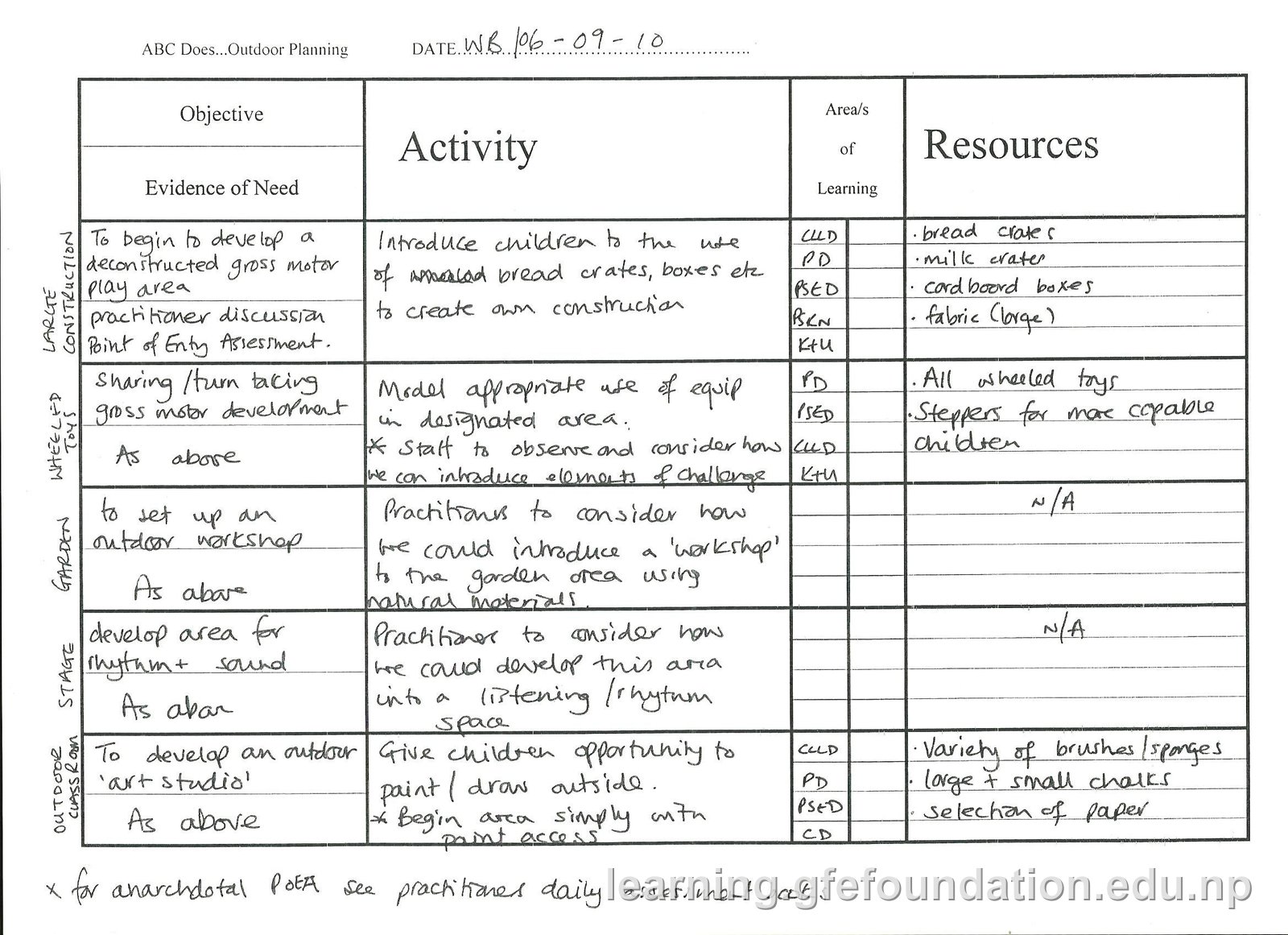
Get your hands on a printable planning template for EYFS, ready to use and easy to follow. Print and start planning with simple, effective tips.
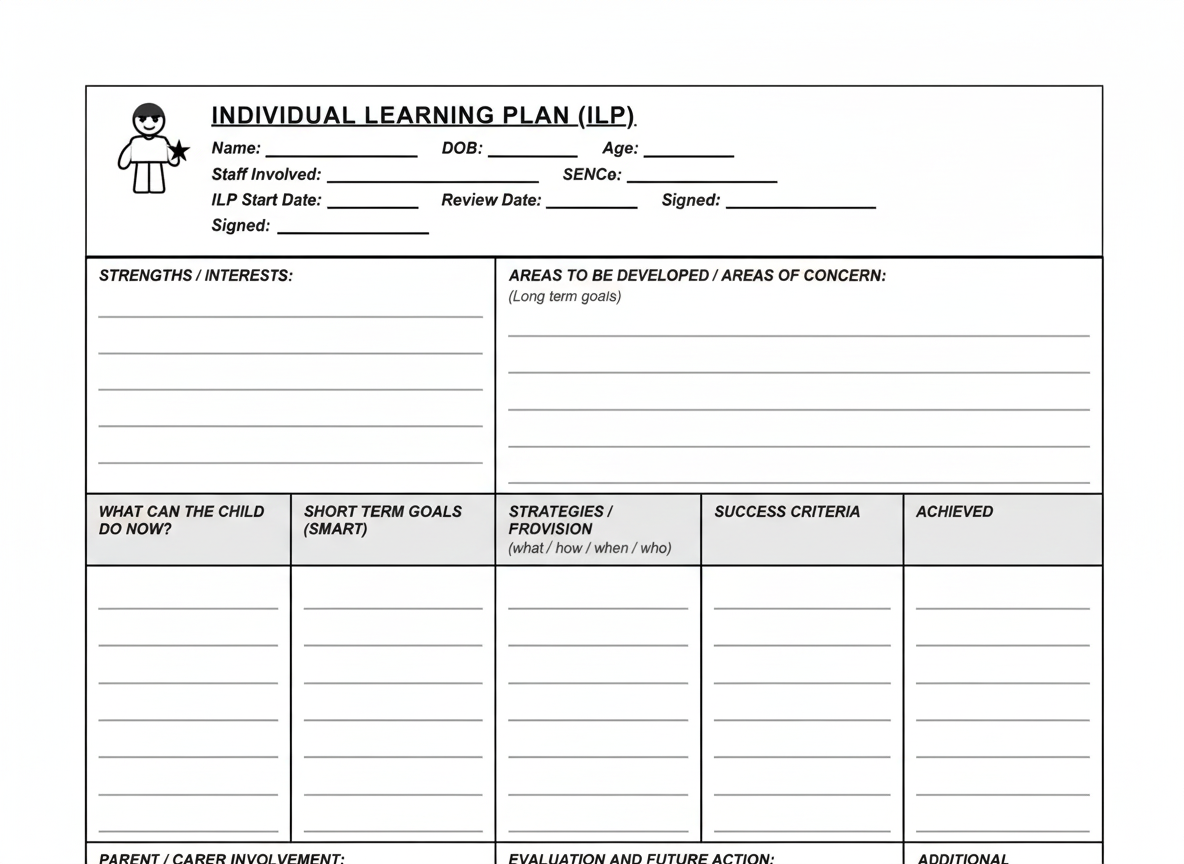
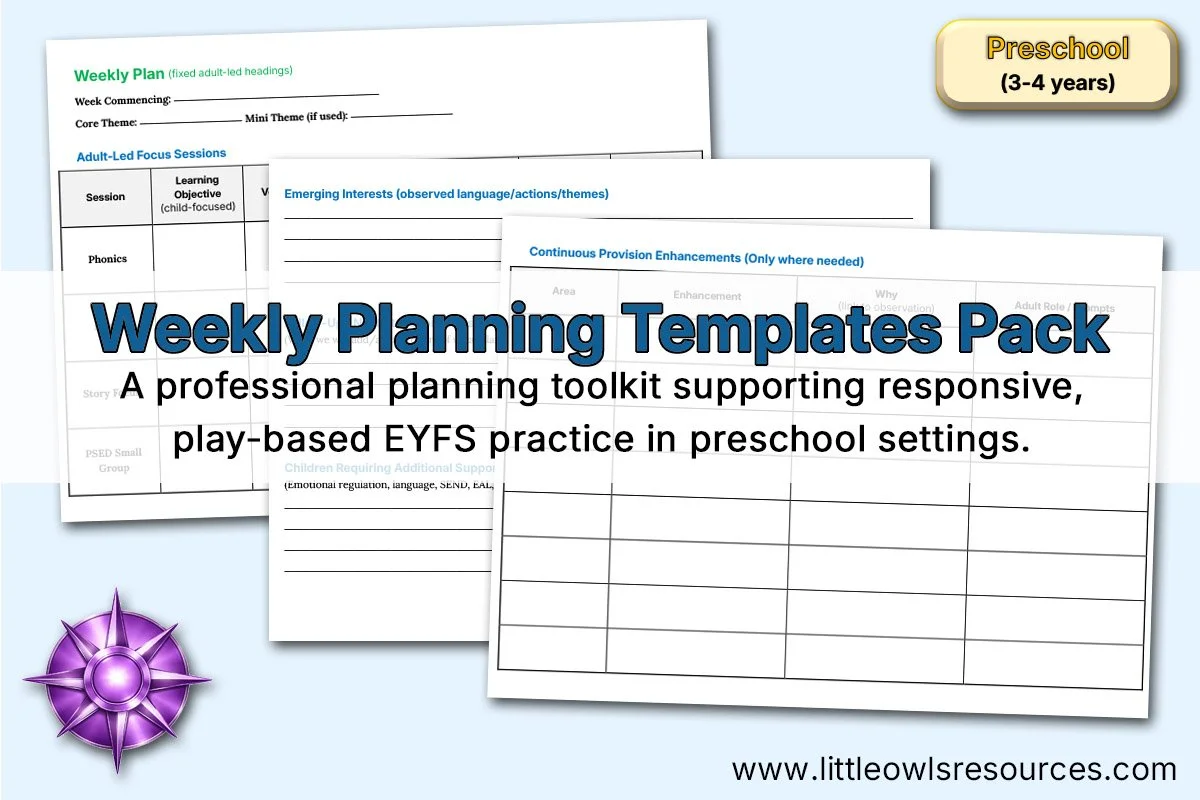
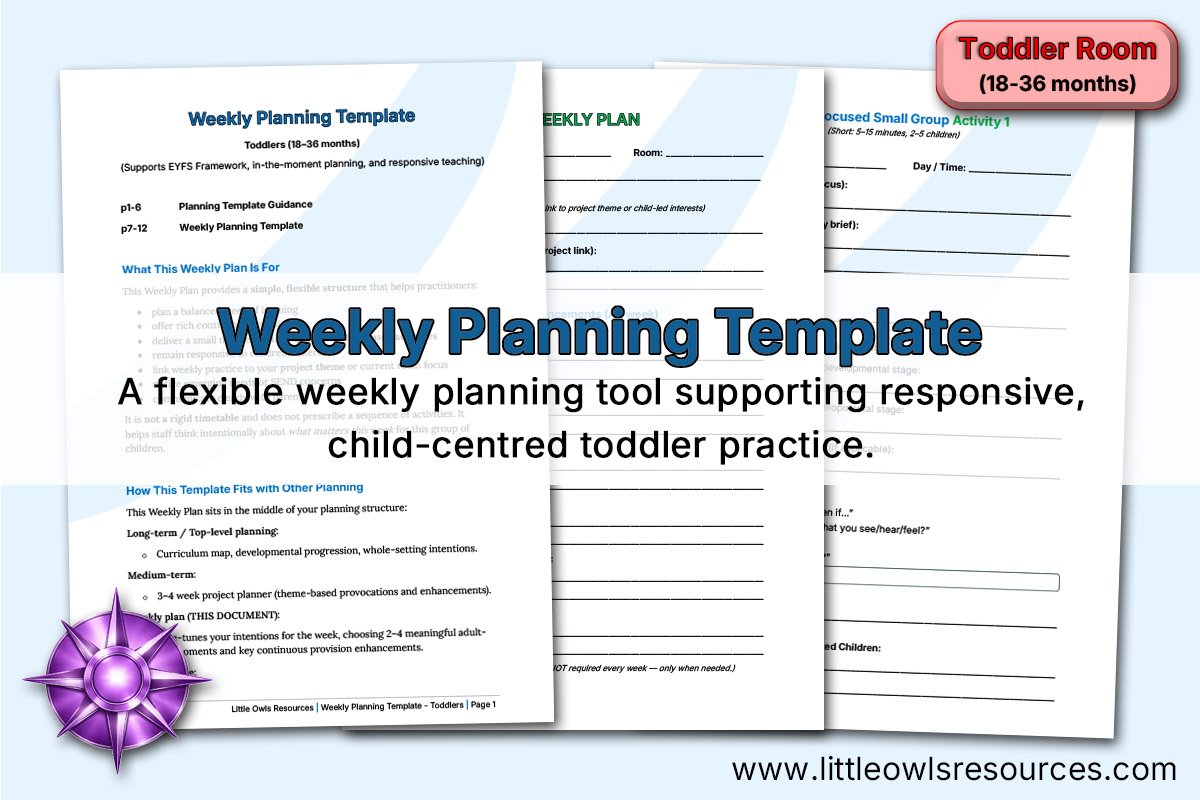
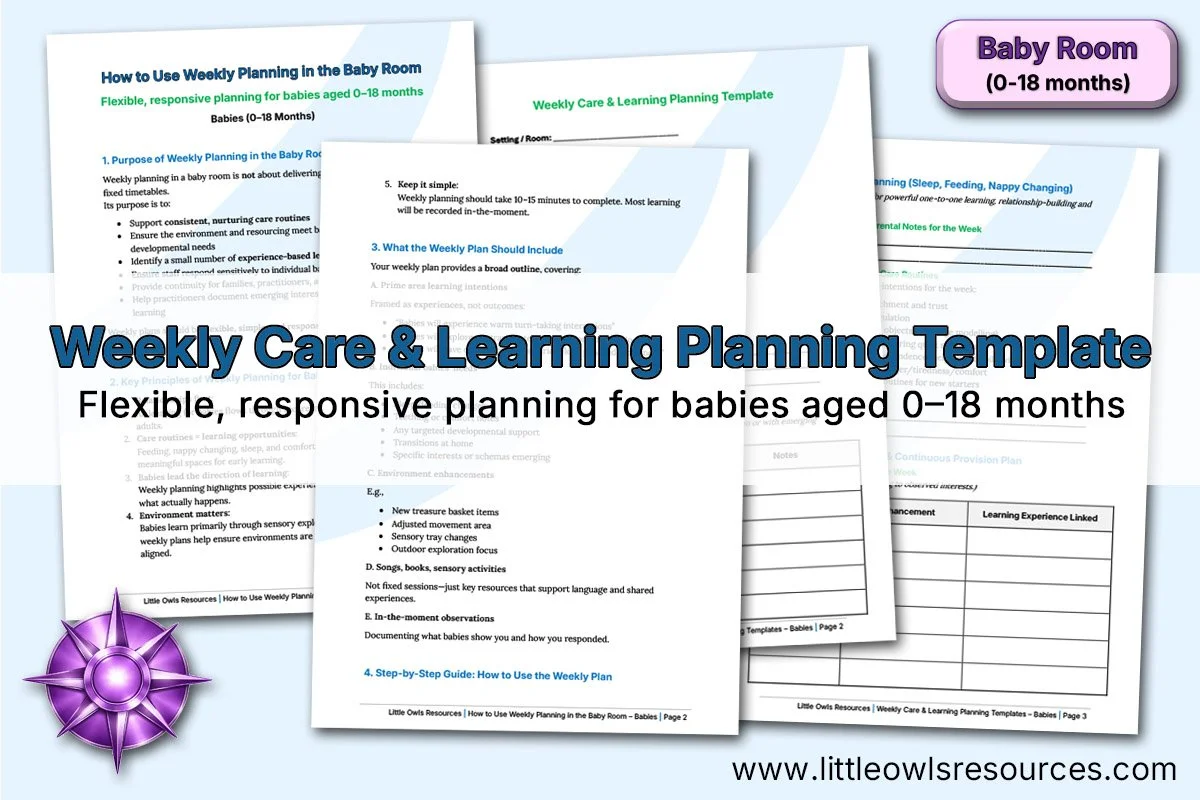
A planning template for EYFS is a handy tool to have in your teaching arsenal. It's a simple yet effective resource, often in PDF or printable format, designed to help early years educators and parents plan engaging activities and lessons. This guide will cover how to make the most of these templates, offering insights into their versatility and potential.
A Quick Guide to the Planning Template for EYFS
The EYFS planning template is a versatile tool designed to help early years educators and parents organize and structure their teaching and learning activities. It serves as a roadmap for educators, ensuring a well-planned and engaging learning environment for young children.
Comparing Options and Formats
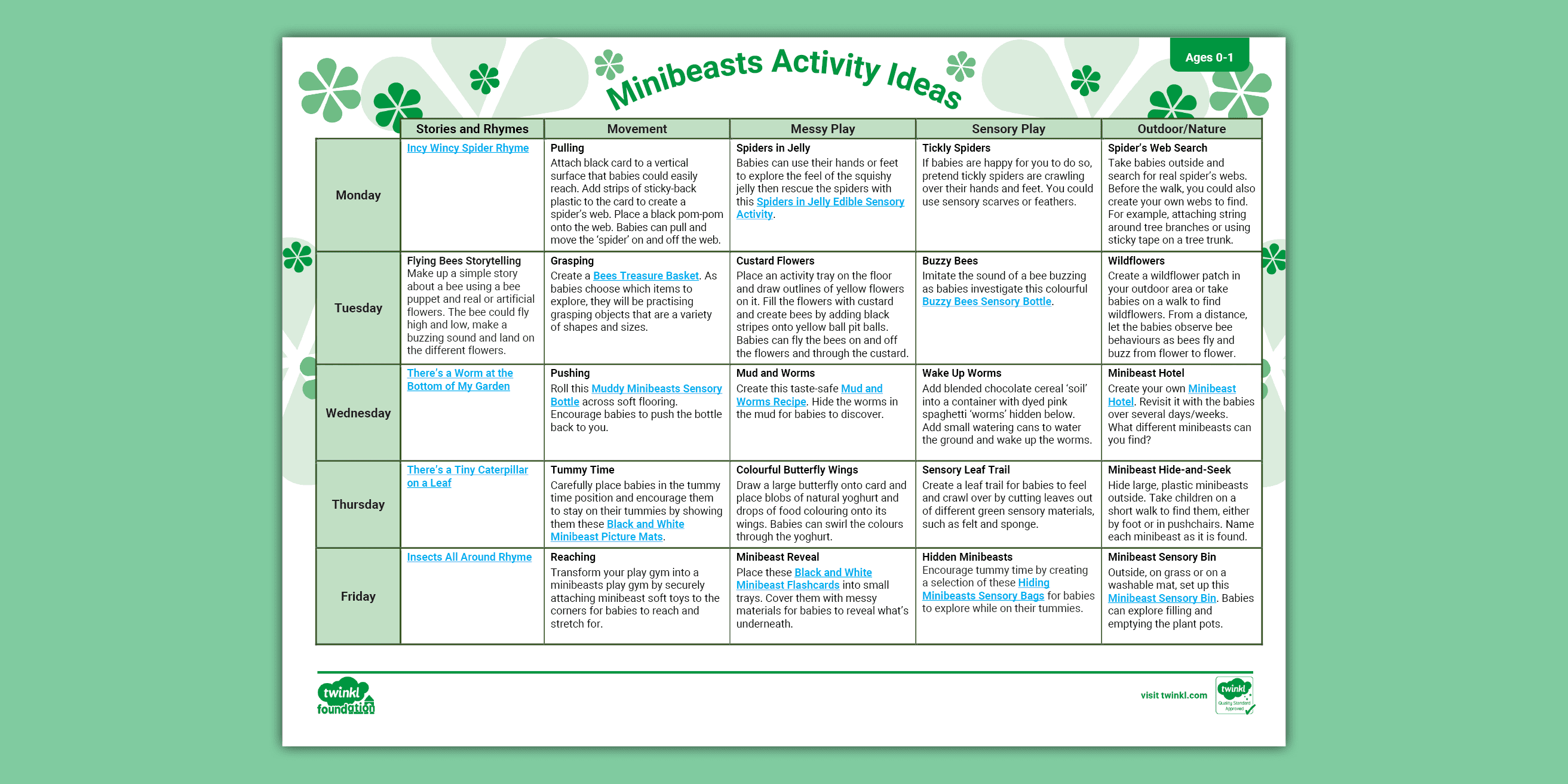
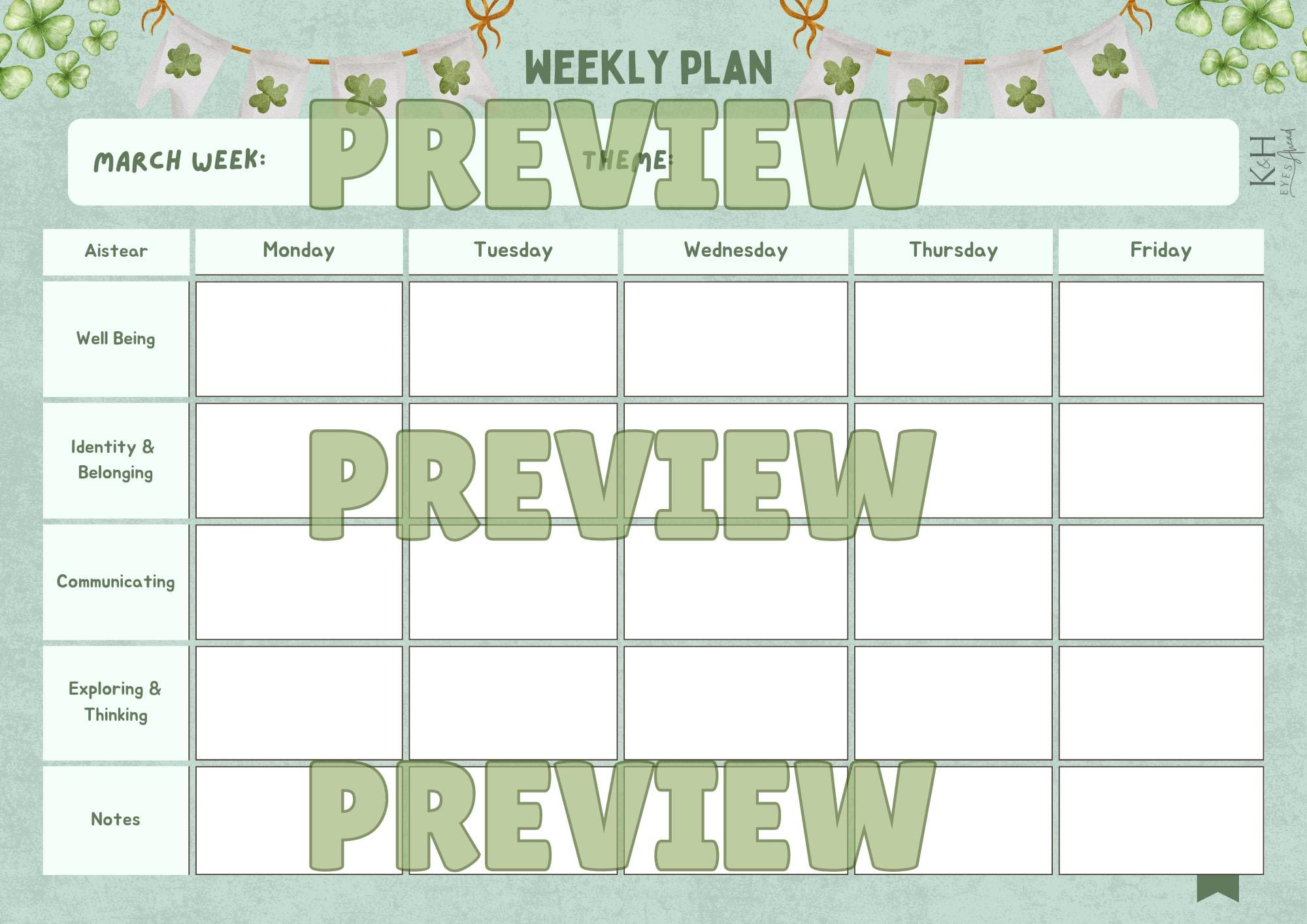
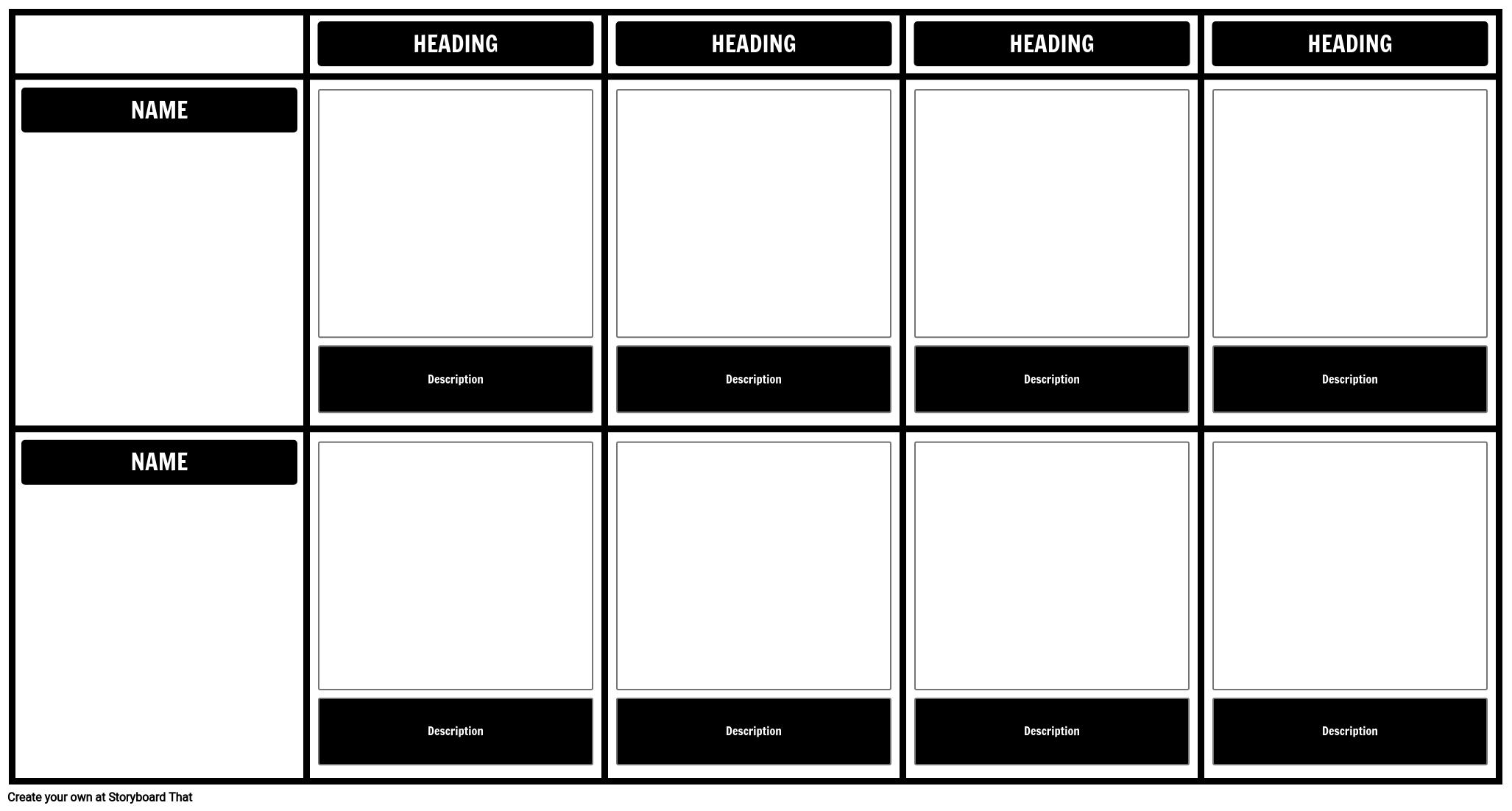
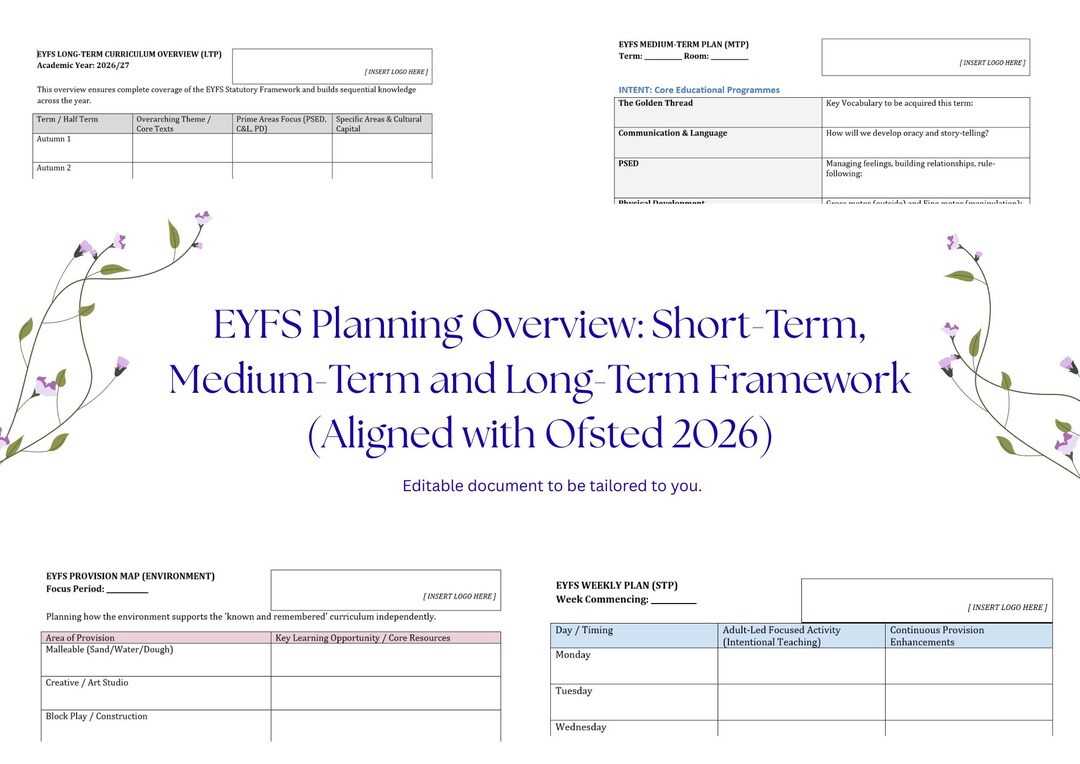
There are various types of planning templates available, each catering to different preferences and needs. Some common formats include EYFS planning template PDFs, which are convenient for digital use and printing, and A4 EYFS planning sheets, offering a standard size for easy organization. Additionally, you may find templates in word processing or spreadsheet formats, allowing for customization and ease of editing.
Step-by-Step Guide to Using the Template
Using a planning template for EYFS is straightforward. Here's a simple process to follow:
Begin by identifying the focus areas or themes for your lesson plans. This could be based on the EYFS curriculum or your own teaching goals.
Download or create a suitable template. If you prefer a pre-designed option, choose from the available early years planning formats or printable EYFS lesson plans.
Fill in the template with your planned activities, ensuring you cover all the necessary areas of learning. You can add details such as dates, objectives, and resources needed.
Review and edit your plan regularly. Flexibility is key, especially when working with young children, so be prepared to adapt and make changes as needed.
Common Misconceptions and How to Avoid Them
One common misconception is that a planning template restricts creativity. However, these templates are meant to provide a framework, not a rigid structure. It's important to remember that you can personalize and adapt the template to suit your unique teaching style and the needs of your students.
Factors Affecting Real-World Use
The effectiveness of a planning template for EYFS can vary based on several factors. Firstly, consider the age and developmental stage of the children you're teaching. Different templates may be more suitable for different age groups. Additionally, the curriculum and learning goals you're working towards will influence the template's content and structure.
Adapting the Template for Specific Needs
The beauty of planning templates is their adaptability. If you have specific requirements or preferences, you can easily customize your template. For example, you might want to add color-coding to categorize different activities or use a weekly planning template to focus on short-term goals.
Keeping Your Setup Reliable for Future Use
To ensure a reliable setup, it's essential to save and organize your templates effectively. Consider creating a dedicated folder for your EYFS planning examples and regularly backing up your files. This way, you can quickly access and reuse your templates, saving time and effort in the long run.
Using a planning template for EYFS is a practical way to streamline your planning process. With a well-organized template, you can focus on creating engaging learning experiences for young children, fostering their development and curiosity.
Hey there! We've covered a lot of ground on planning templates for the EYFS, and I hope it's given you some great ideas and a solid starting point. Remember, the specifics might differ slightly depending on your unique needs and setup, so feel free to adapt and make it your own.
The key is to keep it simple and tailored to your situation. Don't be afraid to try different formats and see what works best for you and your team. And if you need a quick refresher or want to explore other topics, be sure to bookmark this page for future reference!
Images