Create Simple Invoice Excel: A Quick Guide
Get your simple invoice excel template and learn how to use it effectively. Print and customize for a professional look. Start invoicing today!
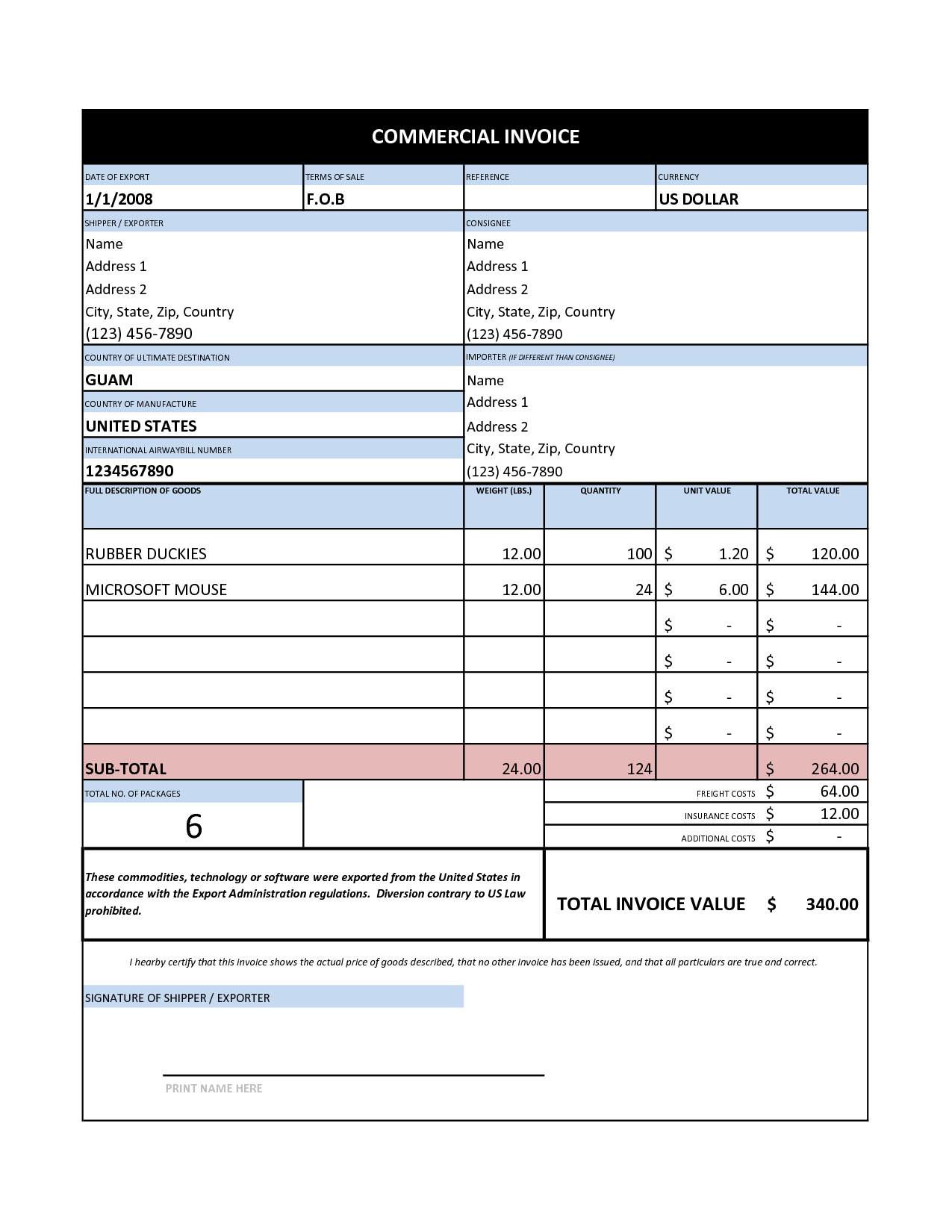
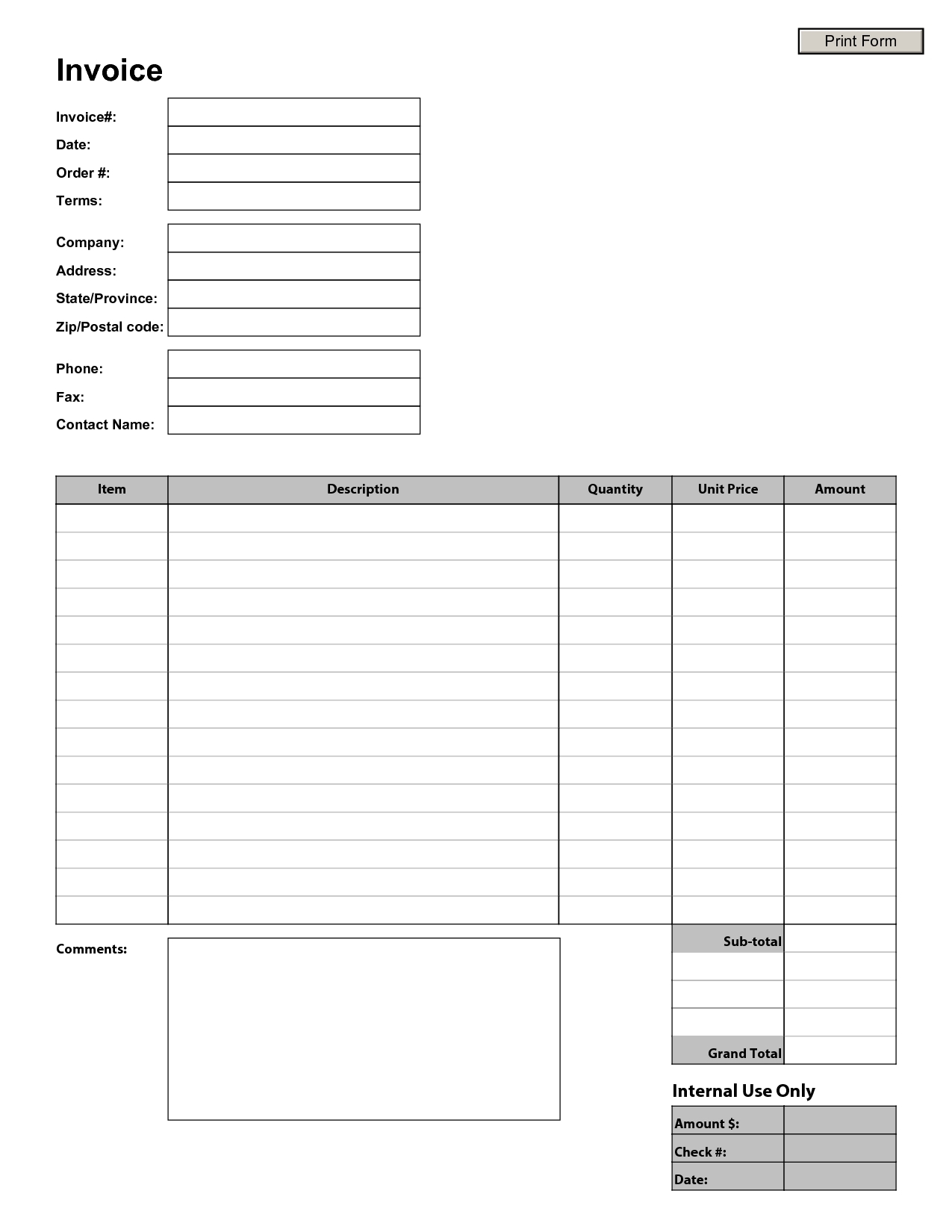
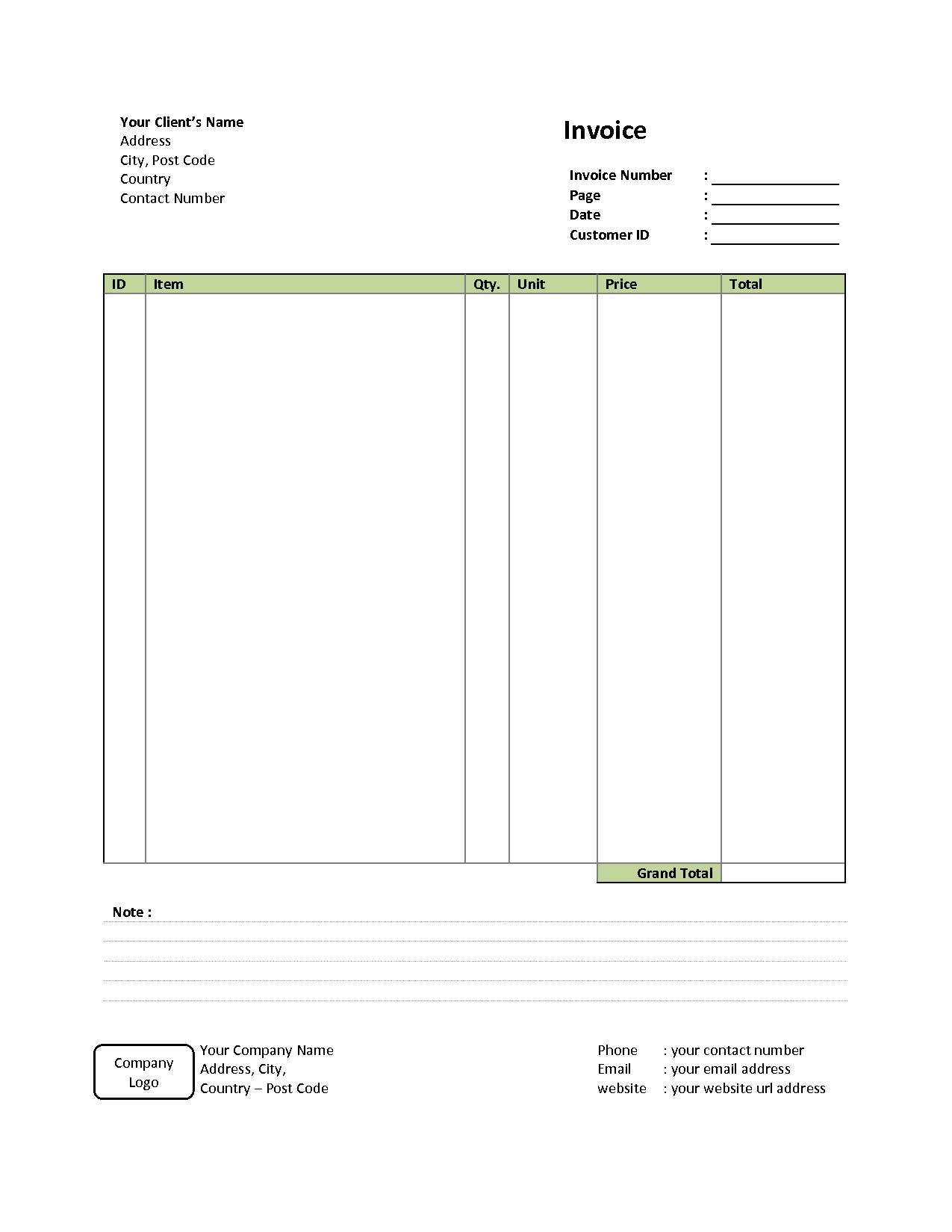
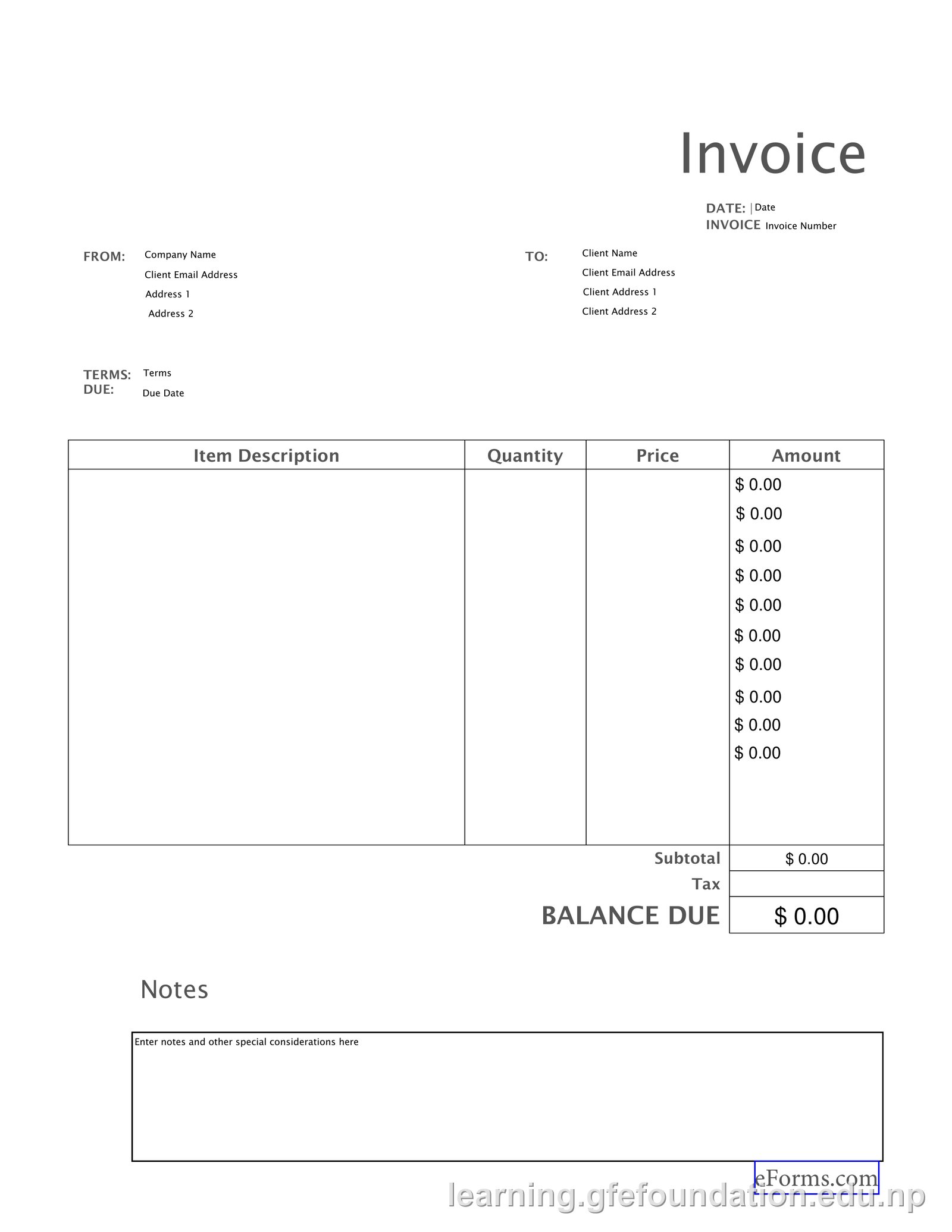
If you're seeking a straightforward solution for your invoicing needs, simple invoice excel might just be the answer. This versatile tool, available as a template or worksheet, offers a quick and efficient way to create professional invoices. Whether you're a small business owner, freelancer, or just need a simple way to keep track of payments, a simple invoice excel template can be a handy resource.
A Quick Overview of Simple Invoice Excel
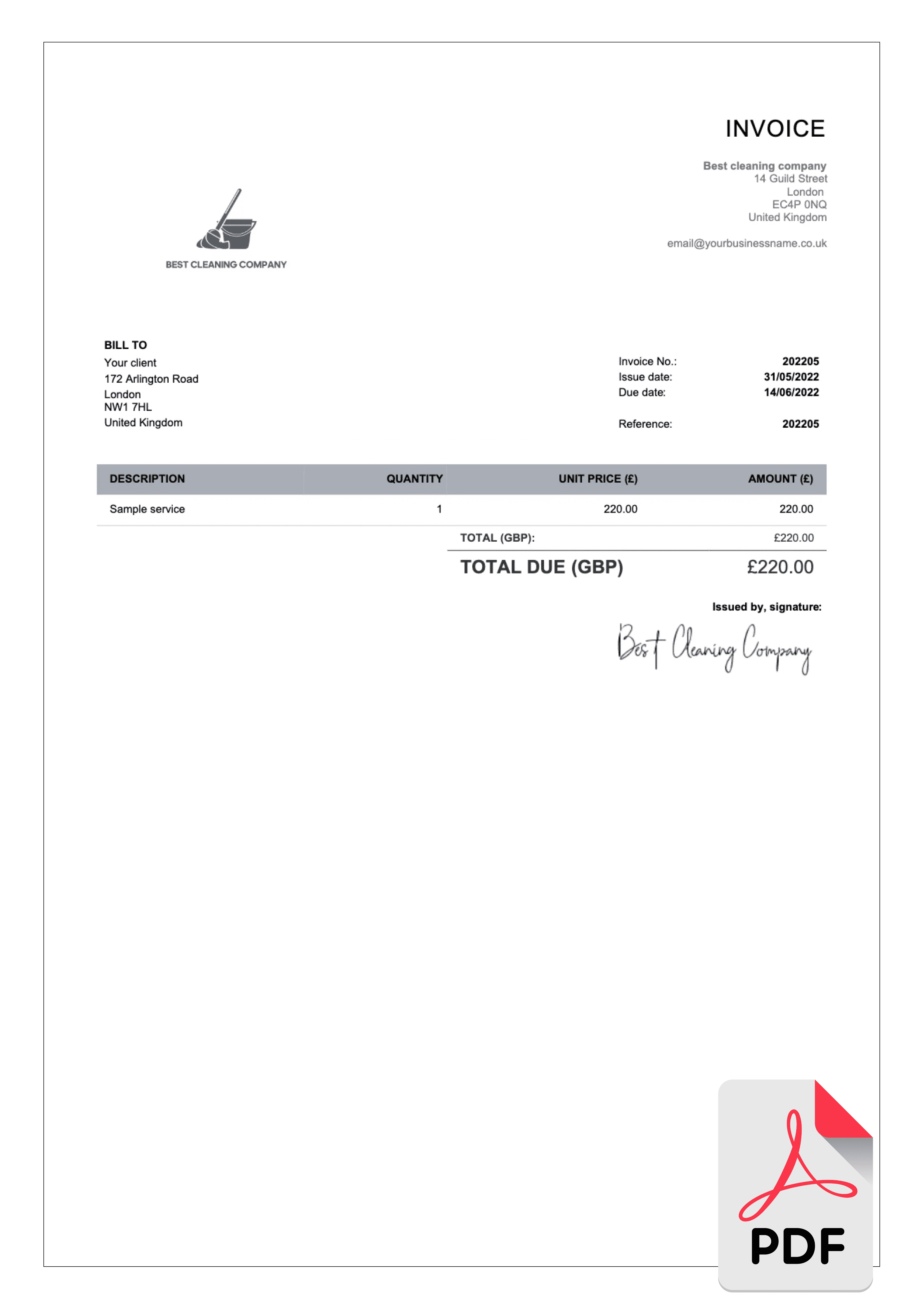
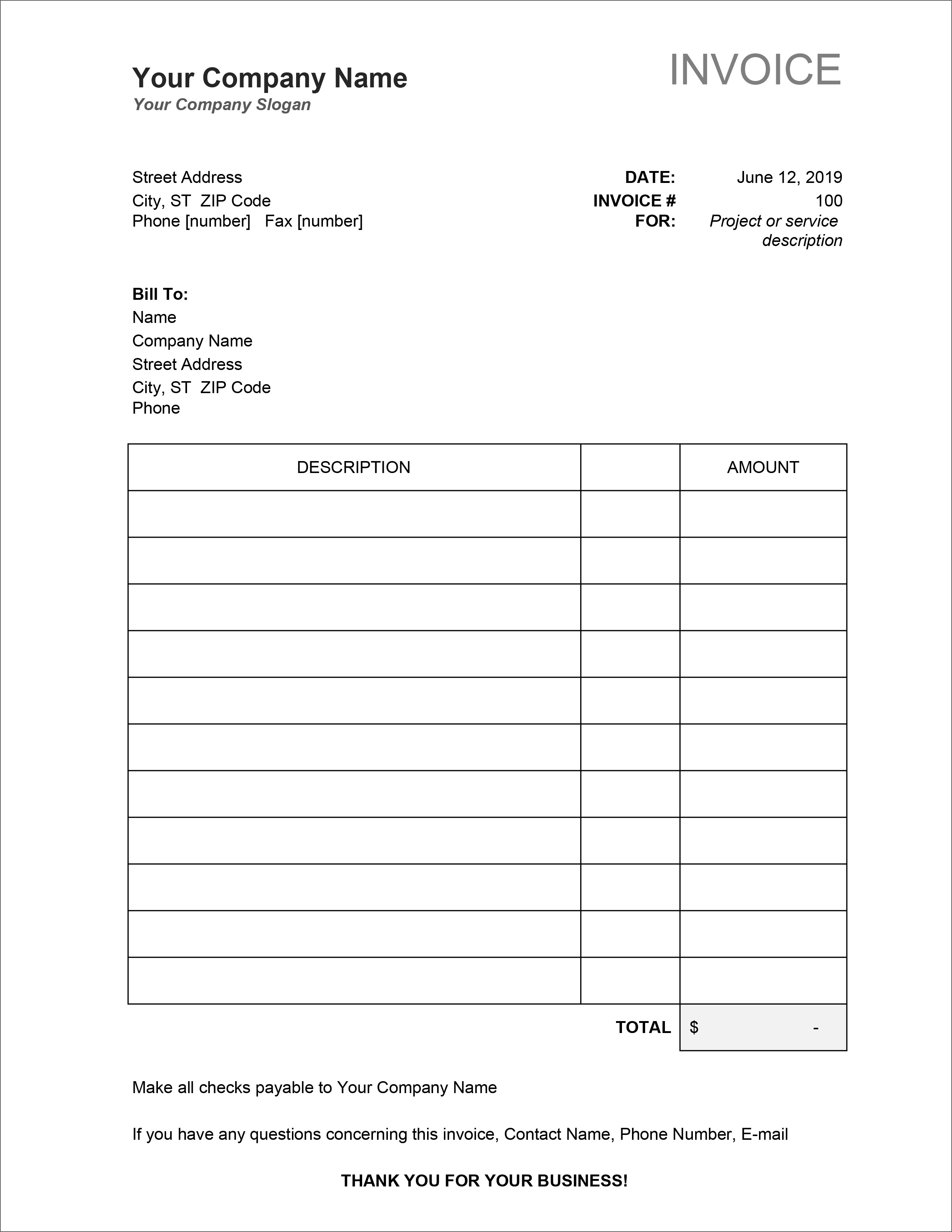
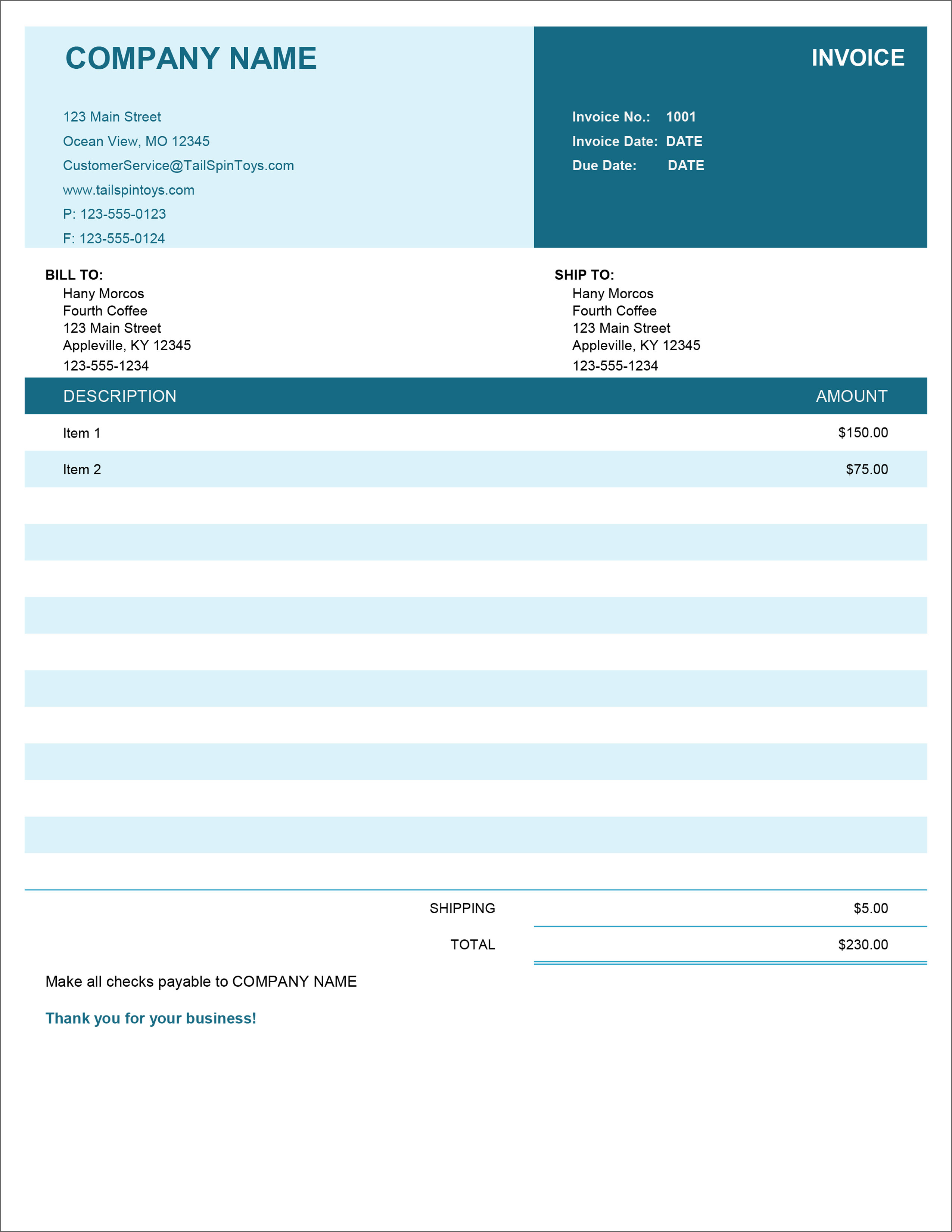
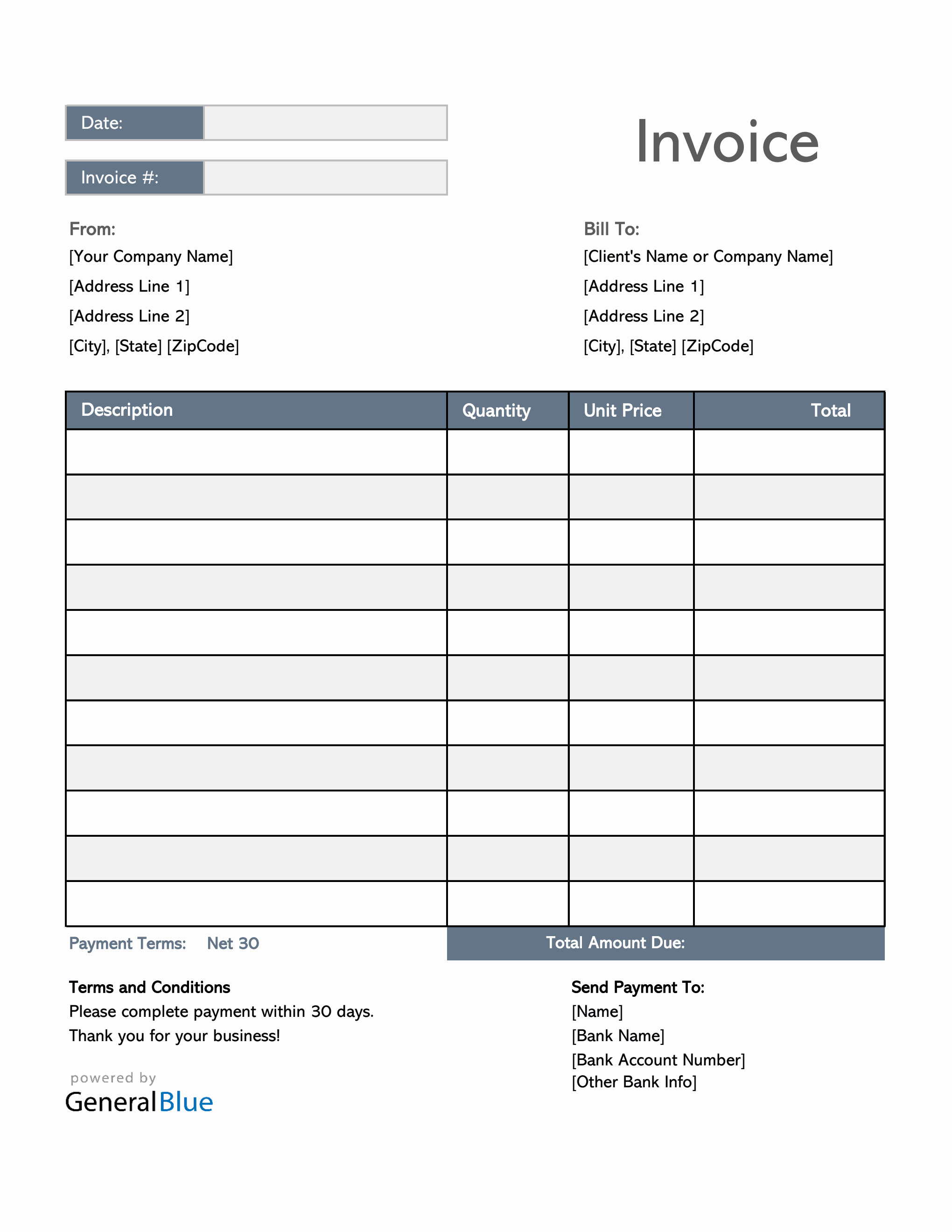
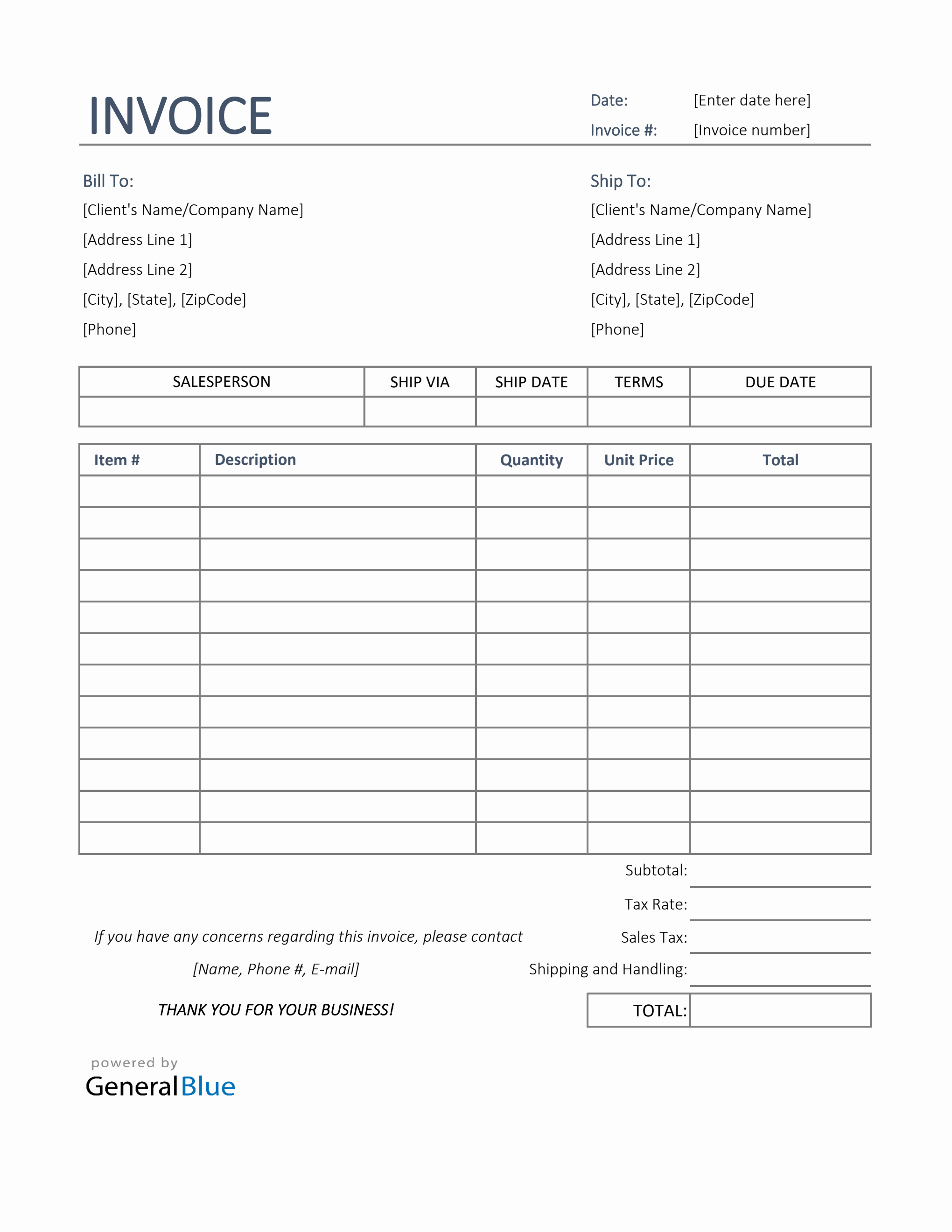
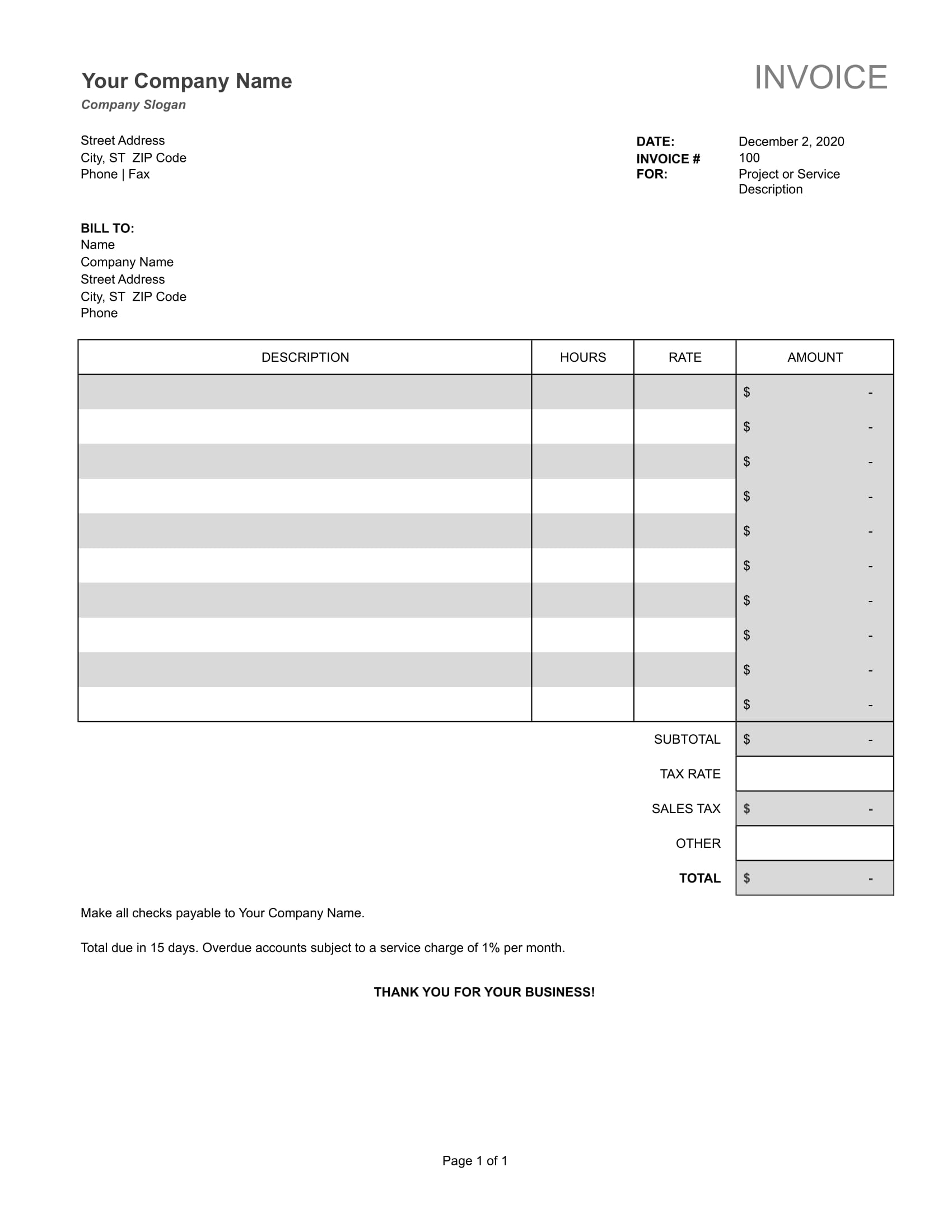
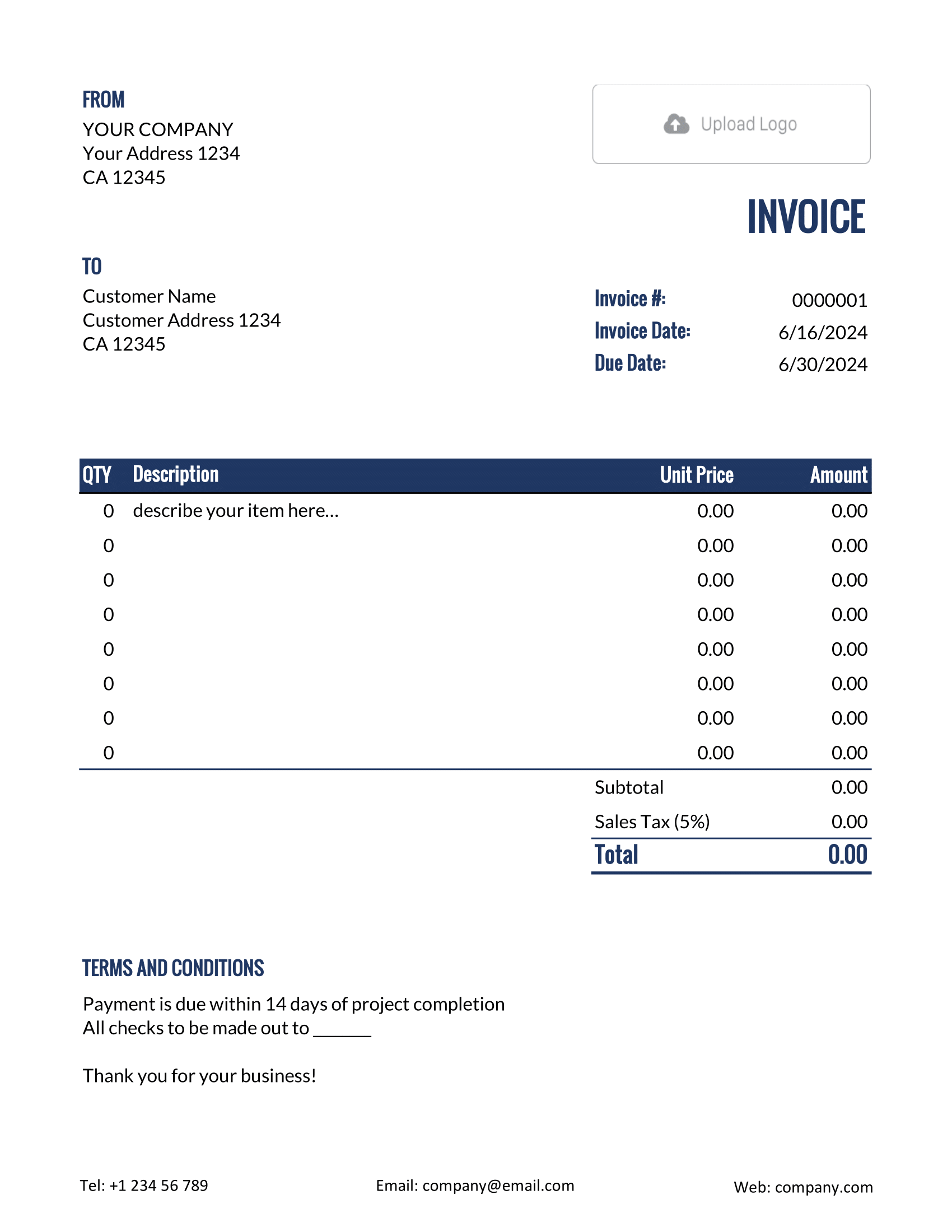
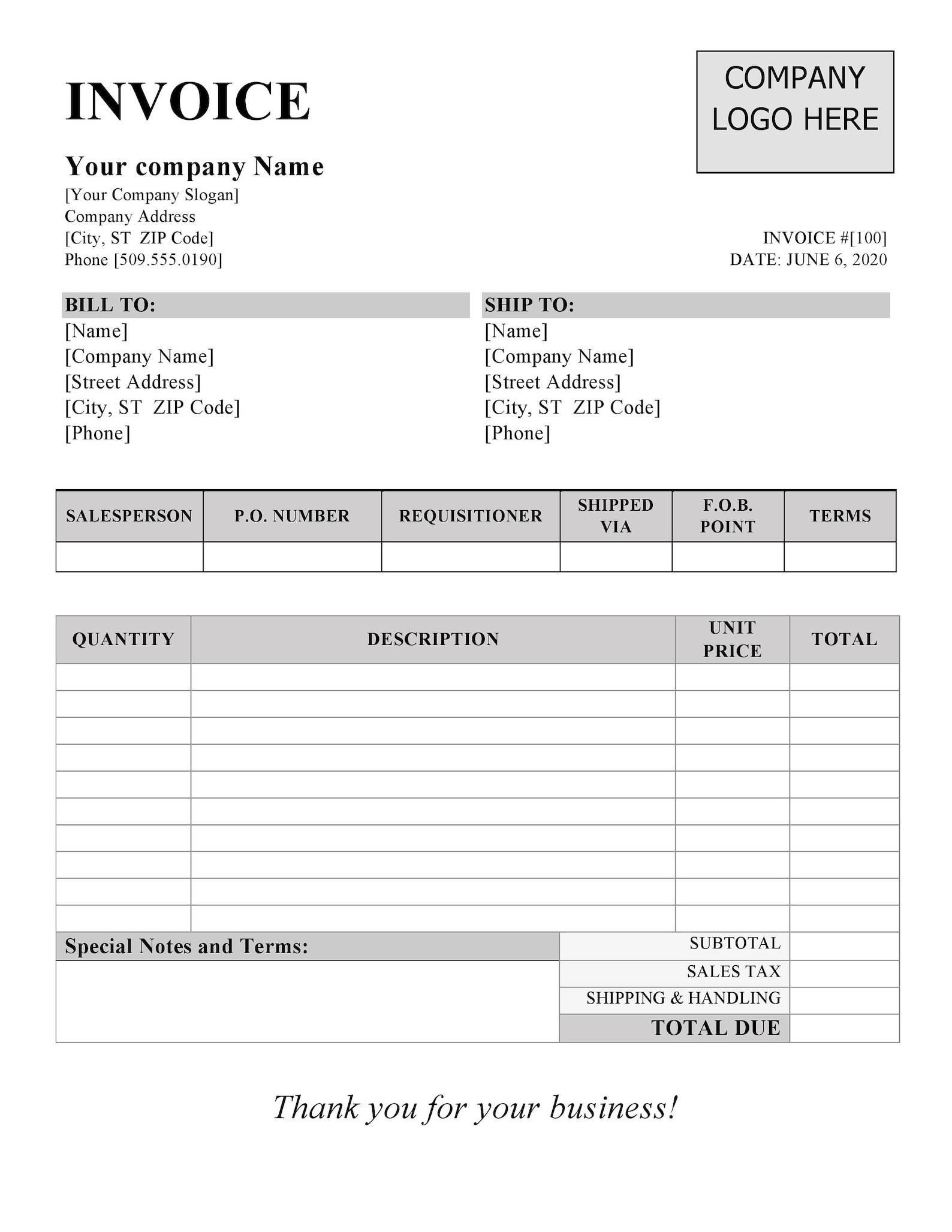
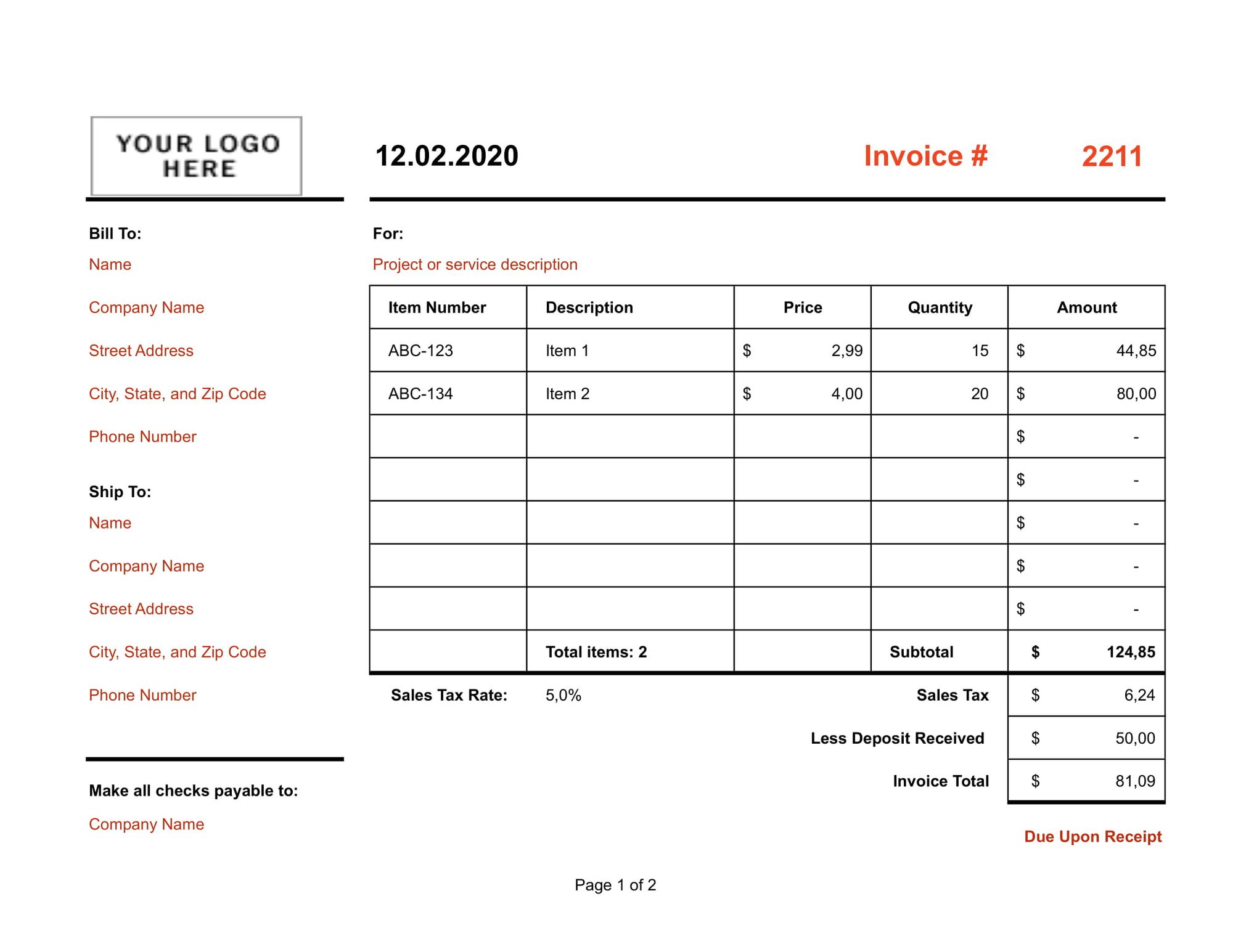
A simple invoice in Excel is a practical tool for small businesses and freelancers to manage their finances efficiently. It serves as a clear, professional record of goods or services provided and ensures timely payments. With a simple invoice template, you can create a customized, printable document that meets your specific needs.
Comparing Invoice Formats and Standards
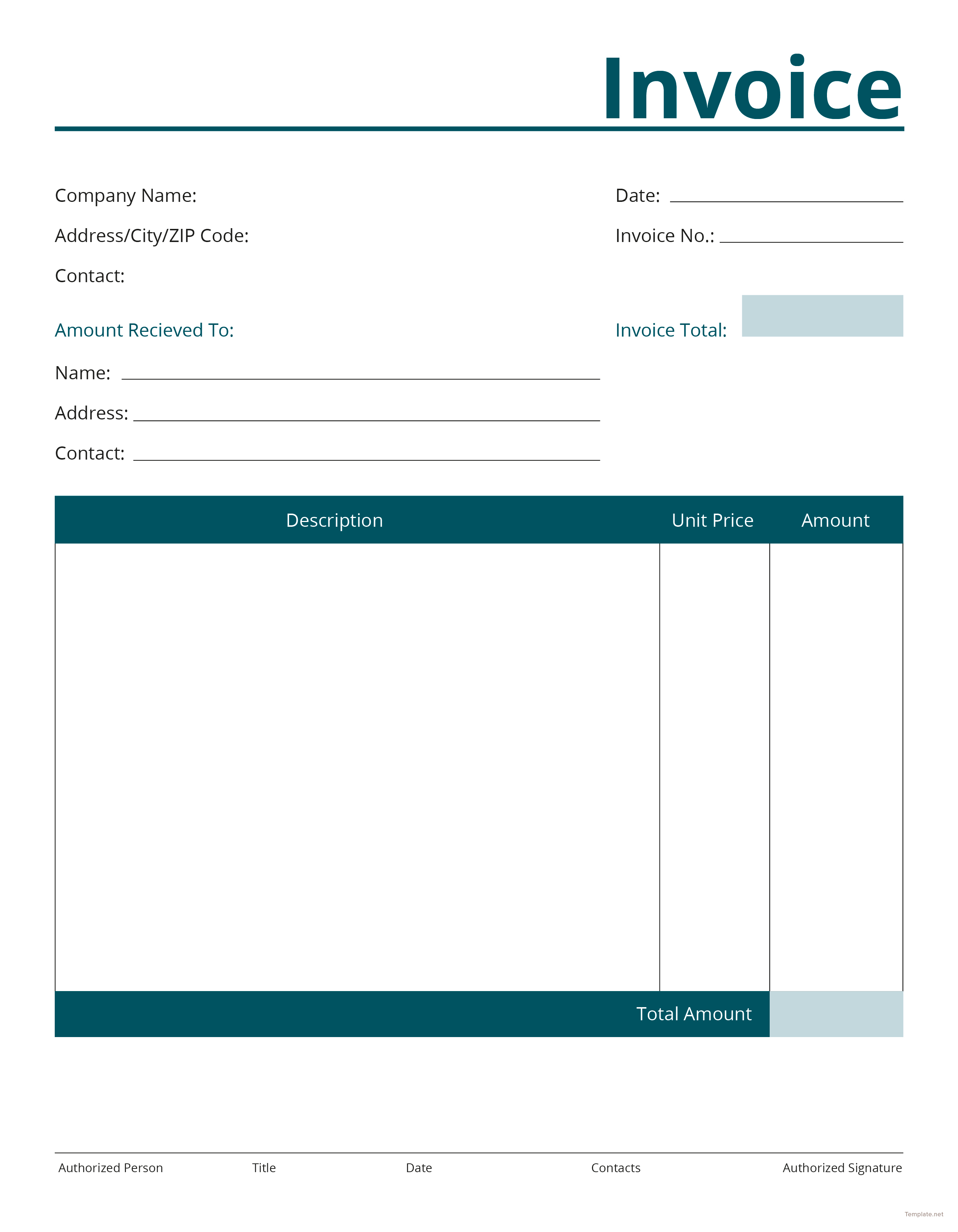
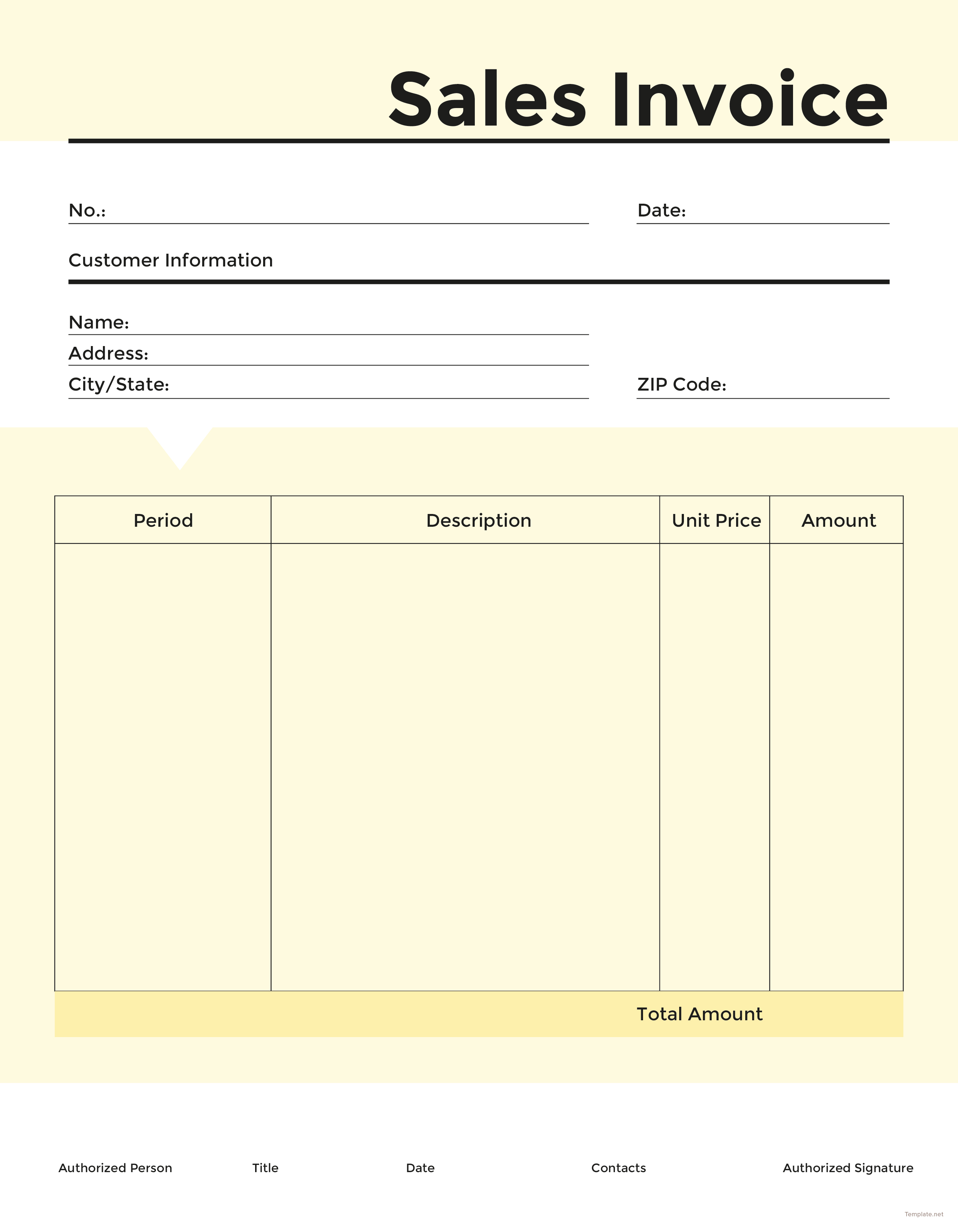
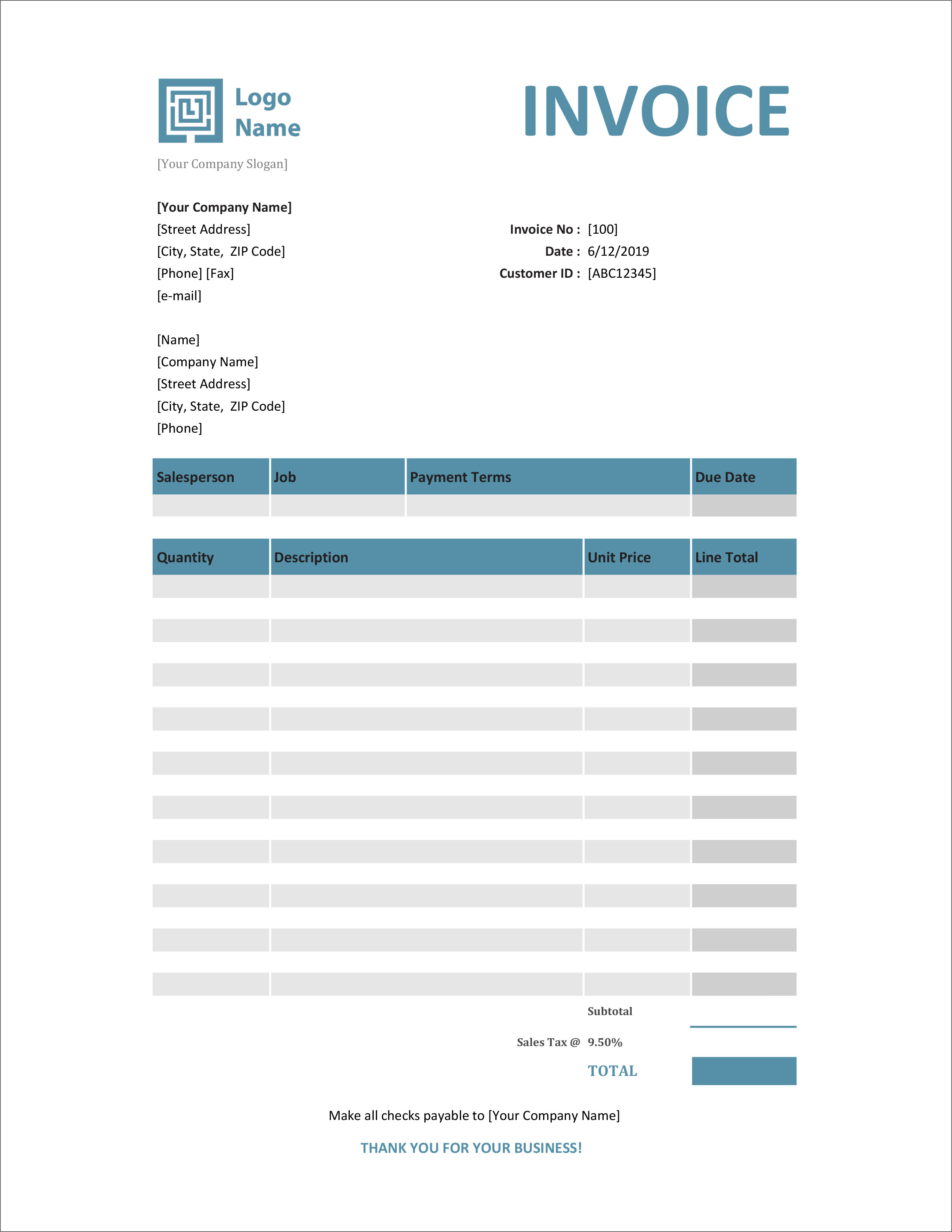
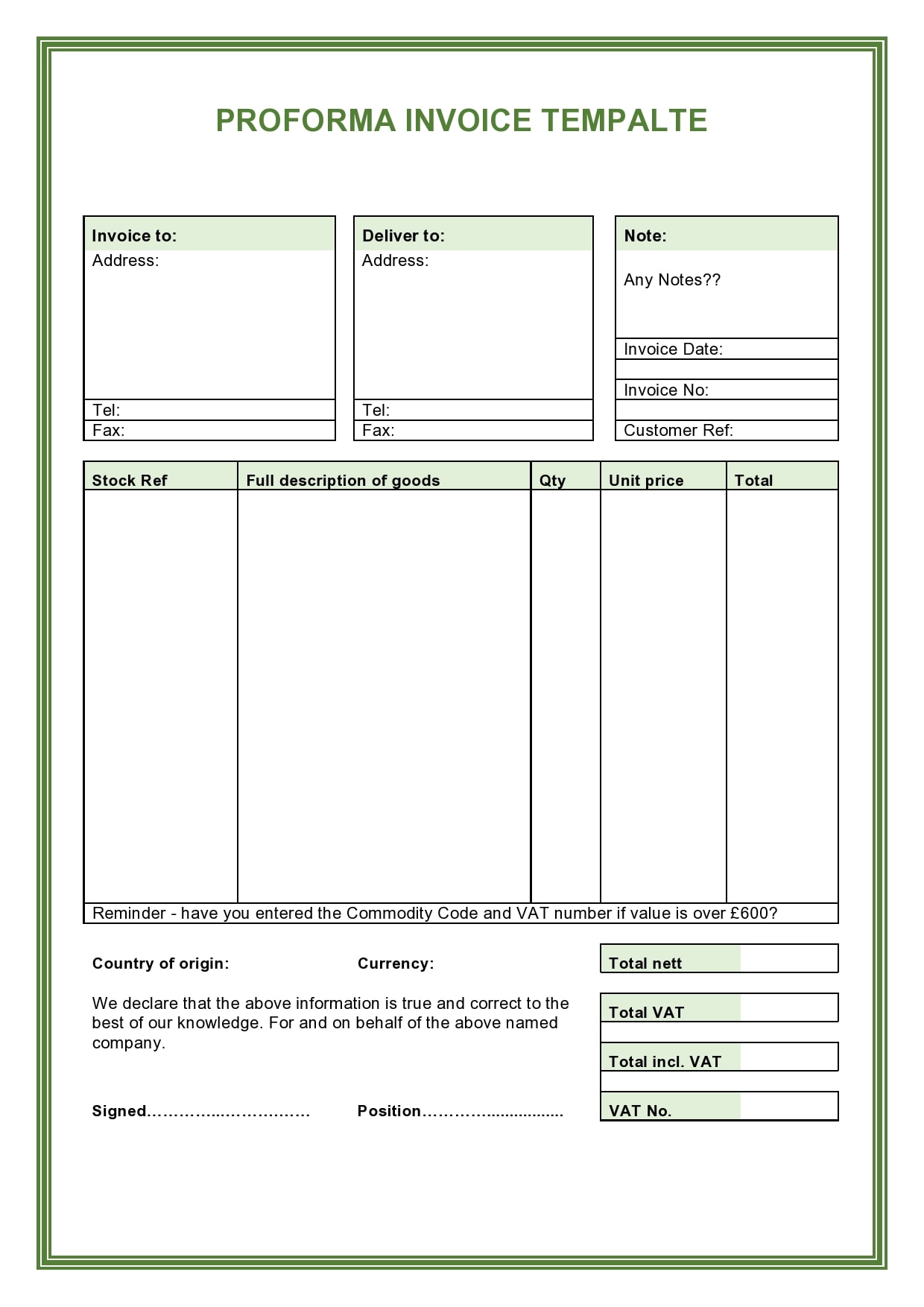
Excel offers a flexible and accessible approach to creating invoices, especially for those who are already familiar with the software. You can choose from various simple invoice templates available online or create your own, tailoring it to your business's unique requirements. These templates often come in standard formats like PDF or Excel, allowing for easy customization and printing.
Step-by-Step Guide to Creating Your Invoice
To craft your simple invoice in Excel, follow these steps:
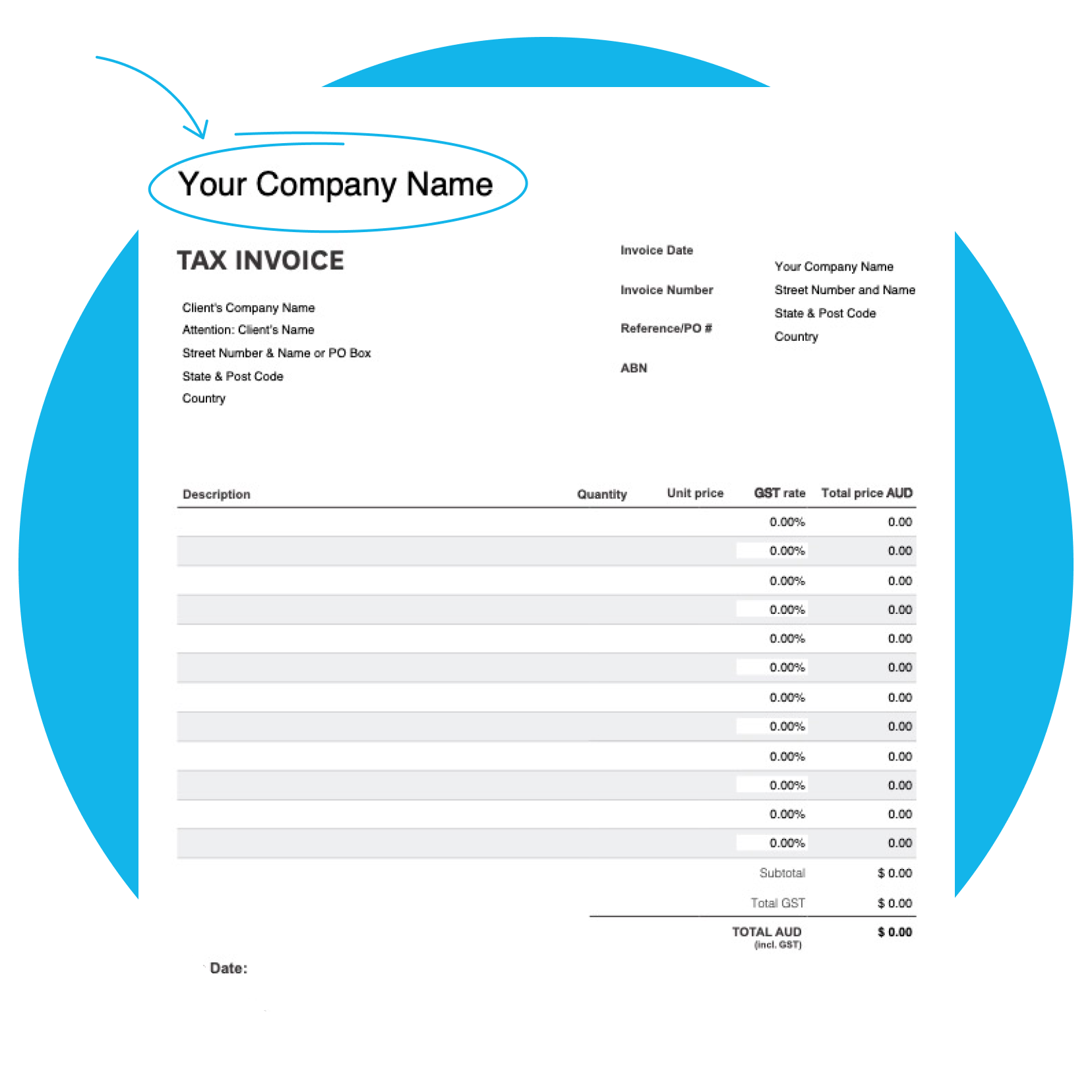
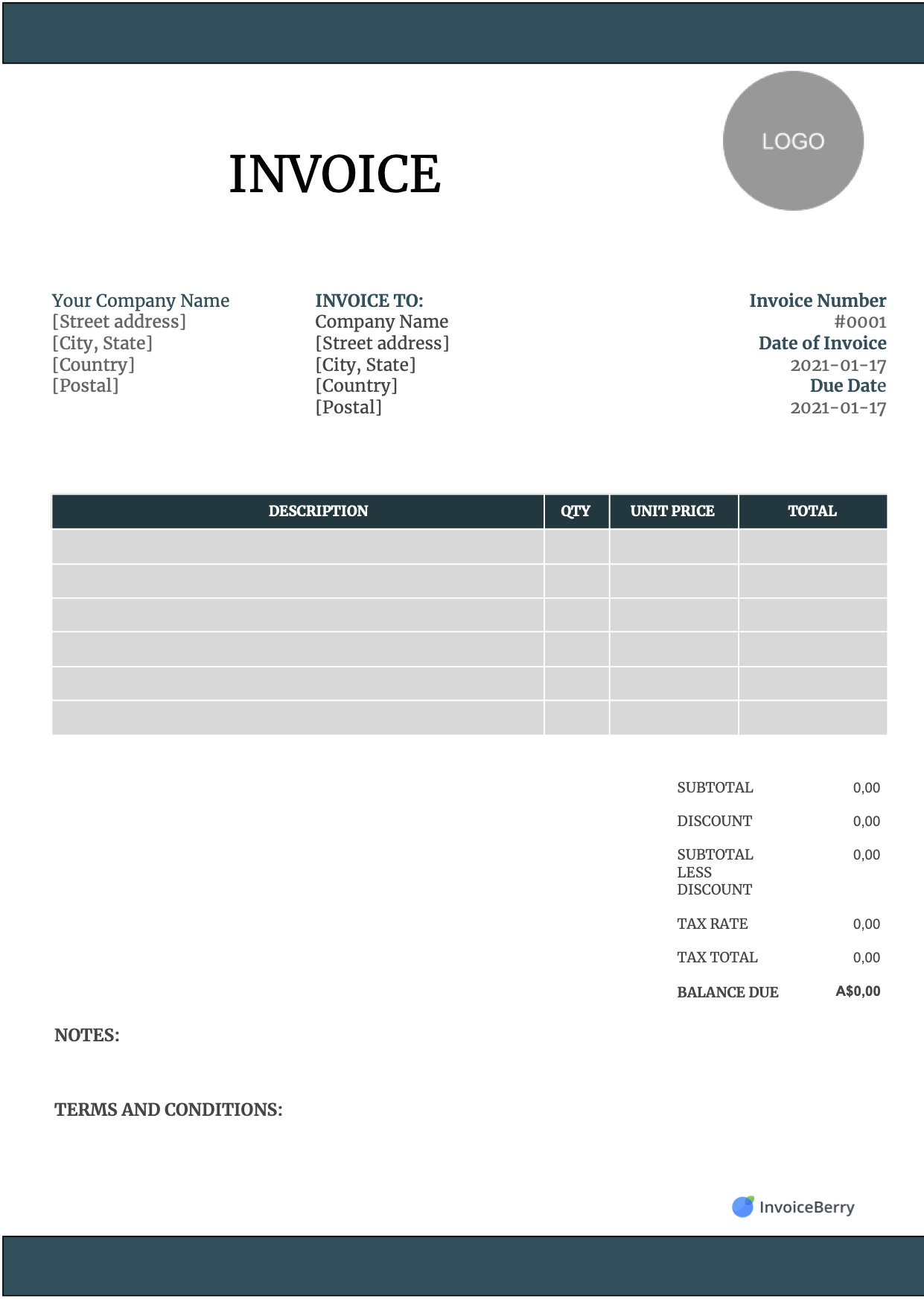
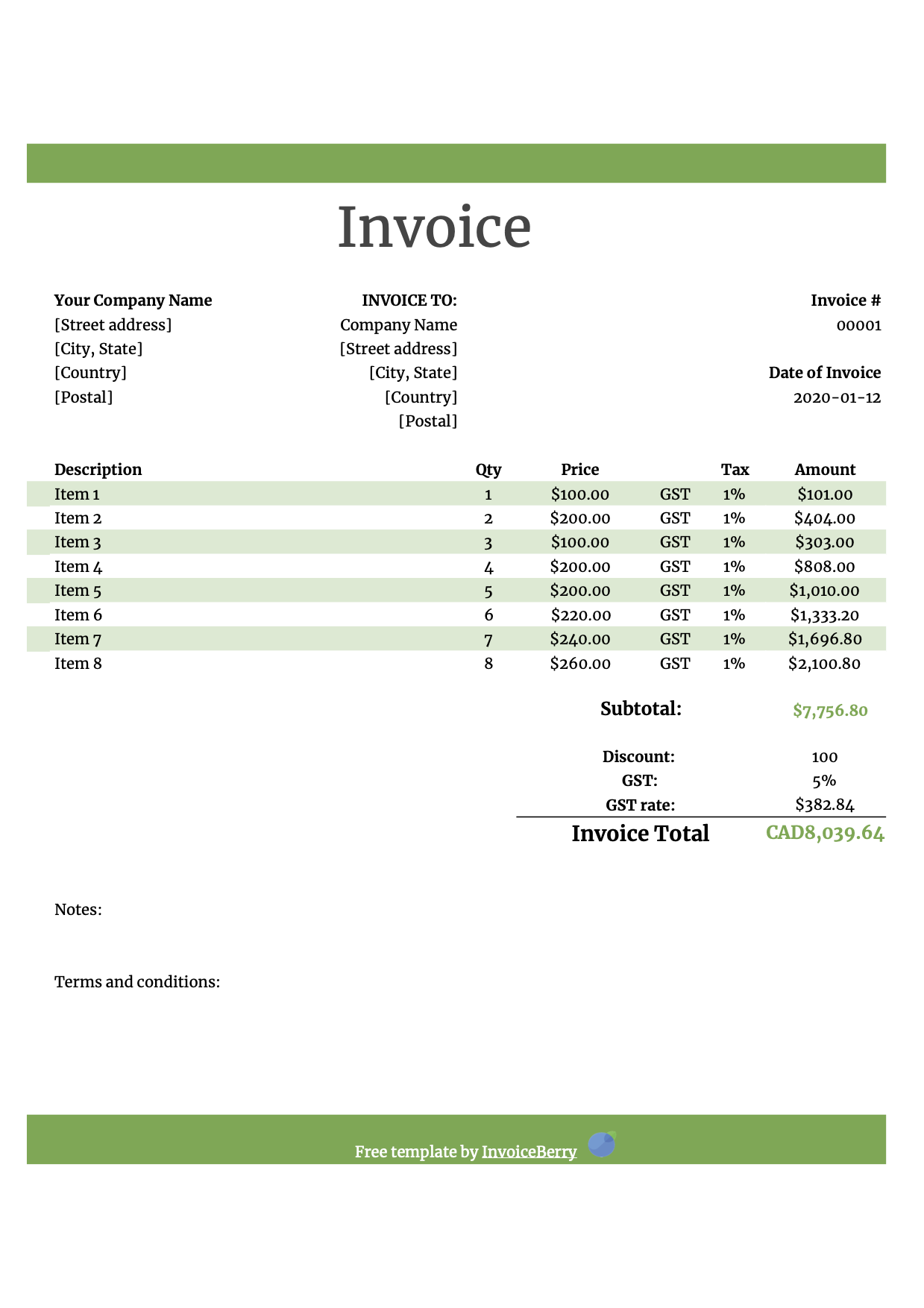
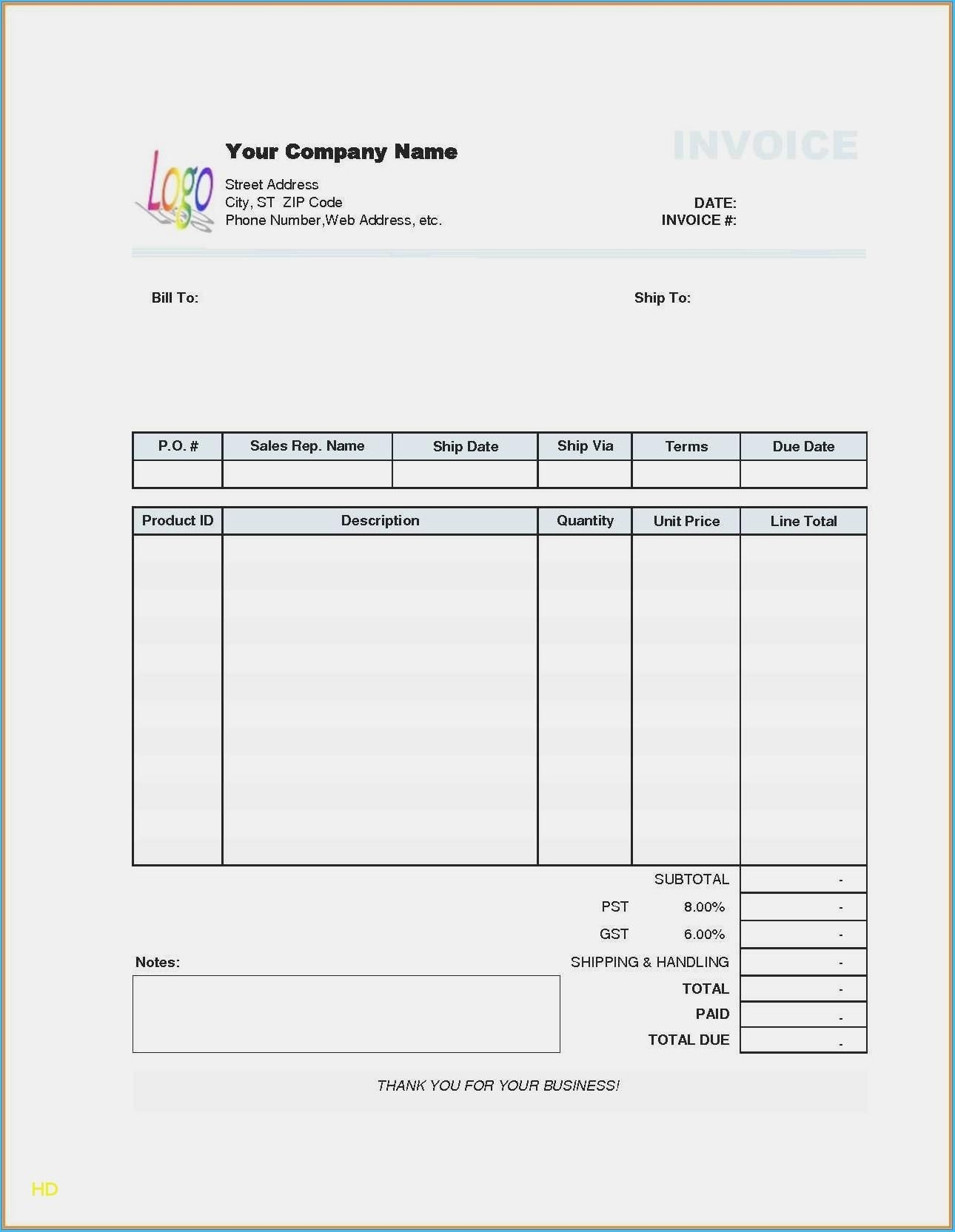
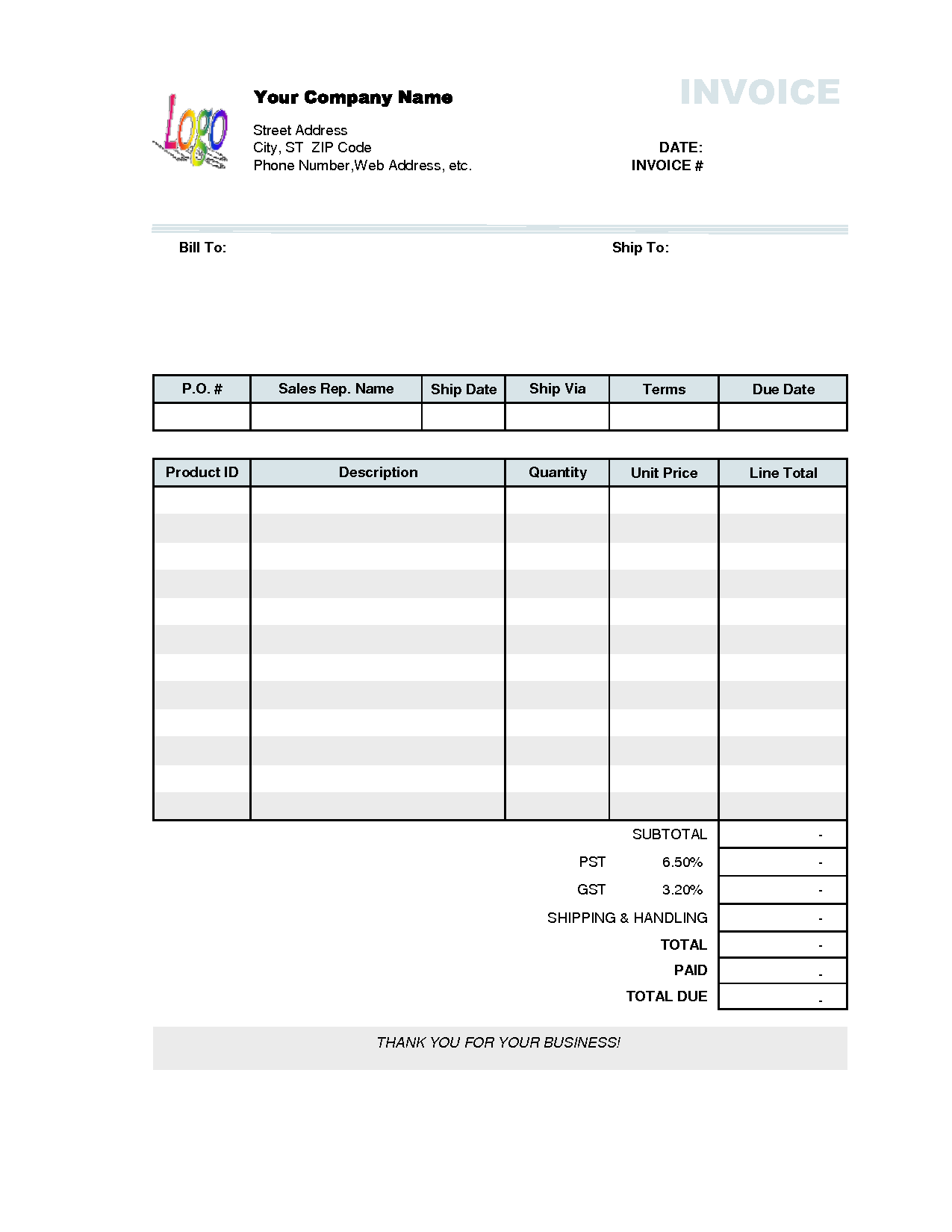
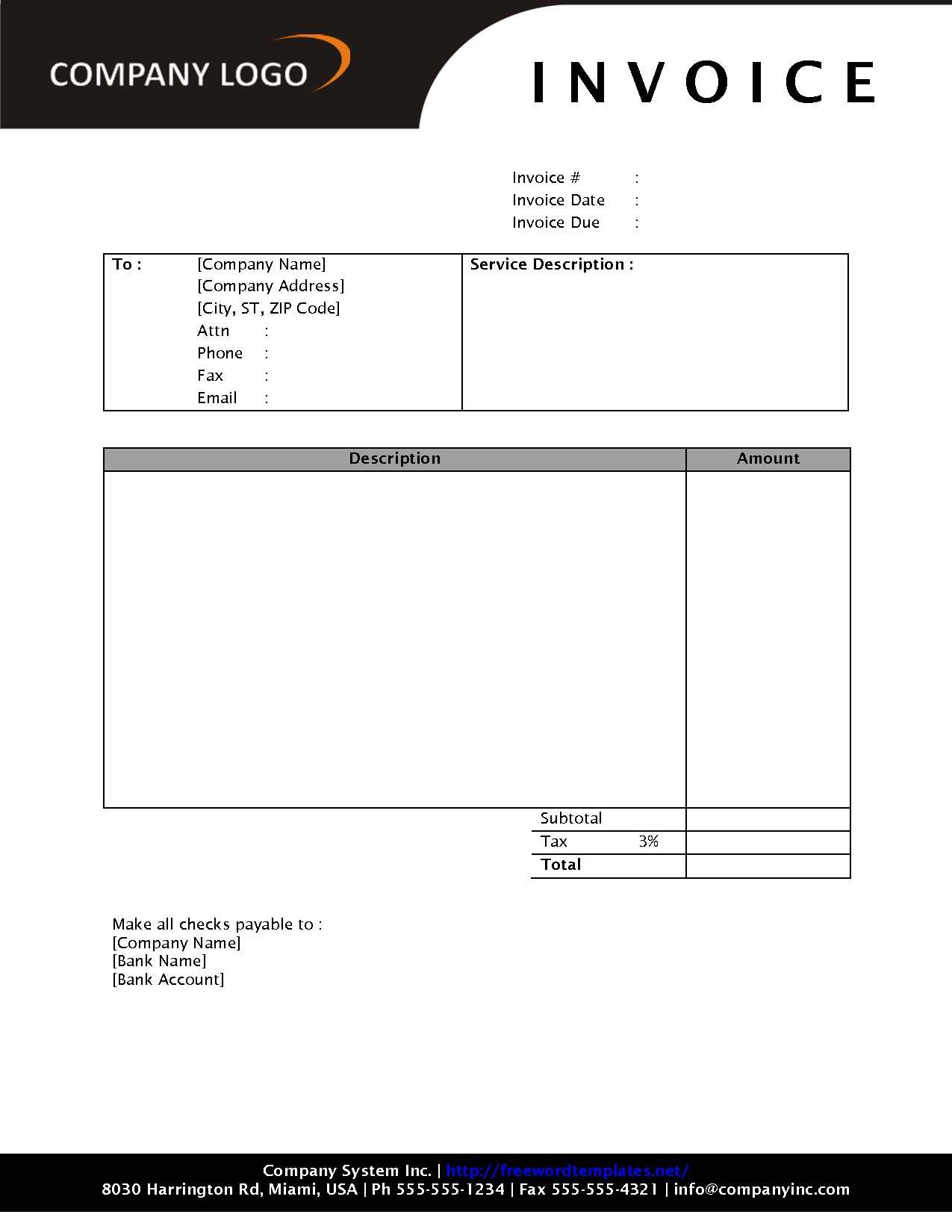
Select or create a suitable template. Excel provides a range of built-in invoice templates, or you can download free printable invoices from trusted sources.
Input your business details, including your name, address, contact information, and tax details. Ensure these are accurate and up-to-date.
Add the client's information, such as their name, address, and any relevant account or reference numbers.
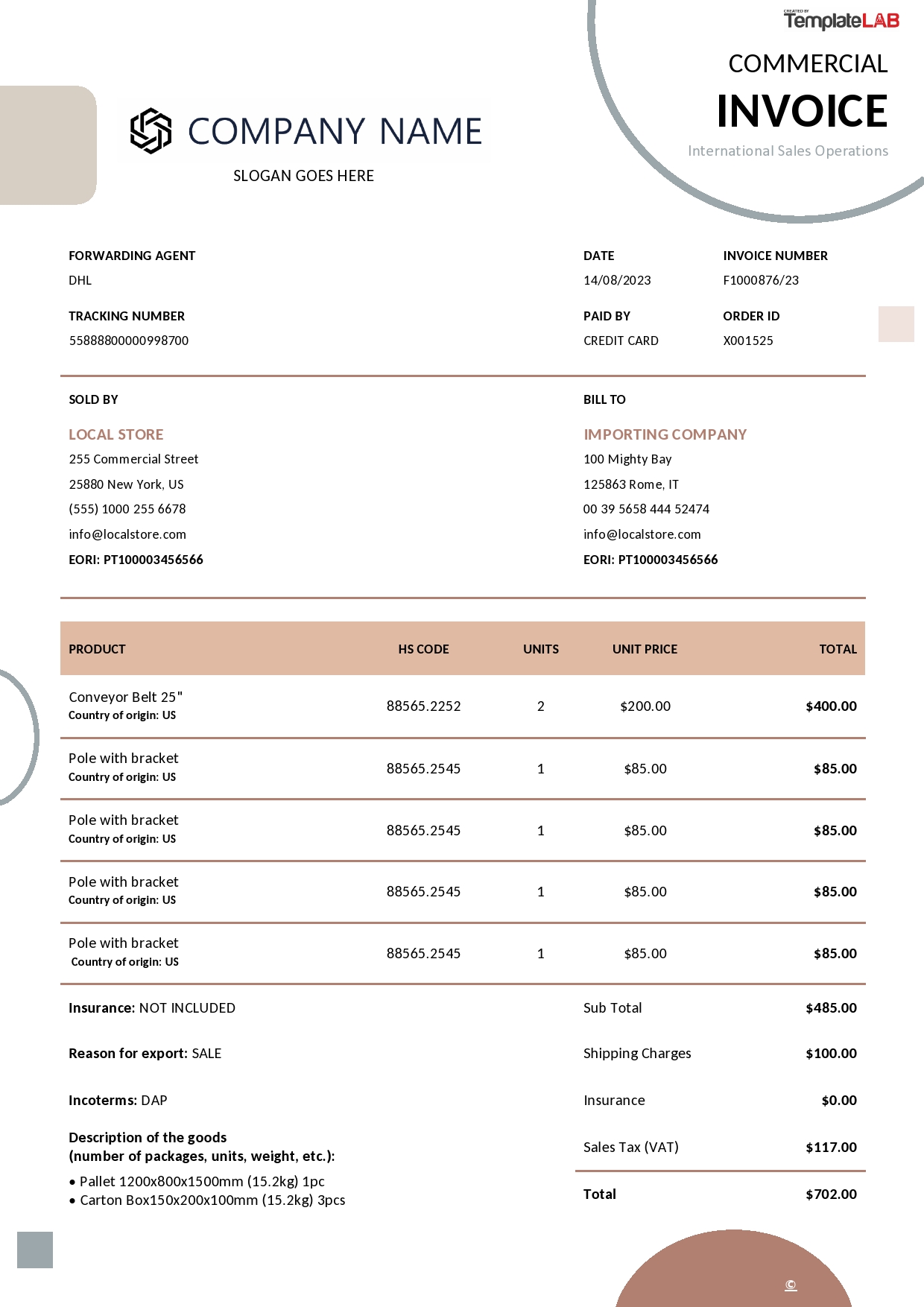
List the goods or services provided, including quantities, descriptions, and prices. You can use Excel's formulas to calculate totals, taxes, and any discounts automatically.
Include payment terms, due dates, and accepted methods of payment. Clearly communicate any late payment fees or incentives for early payment.
Review and proofread your invoice for accuracy. Check for typos, formatting issues, and mathematical errors.
Save your invoice in a suitable format, such as PDF or Excel, and print or email it to your client.
Common Misconceptions and How to Avoid Them
A common pitfall when creating invoices is neglecting to include all the necessary details. Ensure your invoice covers all the essential information, such as unique invoice numbers, clear descriptions of goods or services, and accurate tax calculations. Another mistake is using complex or unfamiliar software, so stick with Excel if you're comfortable with it.
Key Factors for Accurate and Effective Invoicing
Consistency: Maintain a consistent format and style for all your invoices to build a professional image.
Clarity: Use clear, concise language to describe goods or services, ensuring your clients understand what they're paying for.
Attention to Detail: Pay close attention to accuracy, especially when calculating totals, taxes, and discounts.
Timeliness: Send invoices promptly after delivering goods or services to encourage timely payments.
Client Communication: Keep your clients informed about payment processes and any changes to your terms.
Adapting Your Invoice for Different Needs
Excel's flexibility allows you to adapt your invoice to various business scenarios. Whether you're a sole proprietor, a small business owner, or a freelancer, you can customize your invoice to reflect your unique services and pricing structures. You can also adjust your template to accommodate different client requirements, such as specific payment methods or reporting needs.
Keeping Your Setup Reliable for Future Invoices
To ensure a smooth invoicing process in the future, consider the following:
Save your customized Excel template in a secure, easily accessible location.
Create a consistent naming convention for your invoices, including the client's name and invoice date.
Regularly update your contact and tax information to ensure accuracy.
Back up your invoices and important financial data to prevent loss.
Stay organized by using a simple filing system for your invoices, either digitally or physically.
Well, there you have it! We've covered a lot of ground, from understanding the basics to ensuring accuracy and adaptability. Remember, each situation is unique, so tailor these steps to your specific needs.
Feel free to explore our other guides for more printable templates and tips. We've got a whole library of resources to help you stay organized and efficient. Happy printing and organizing!
Images