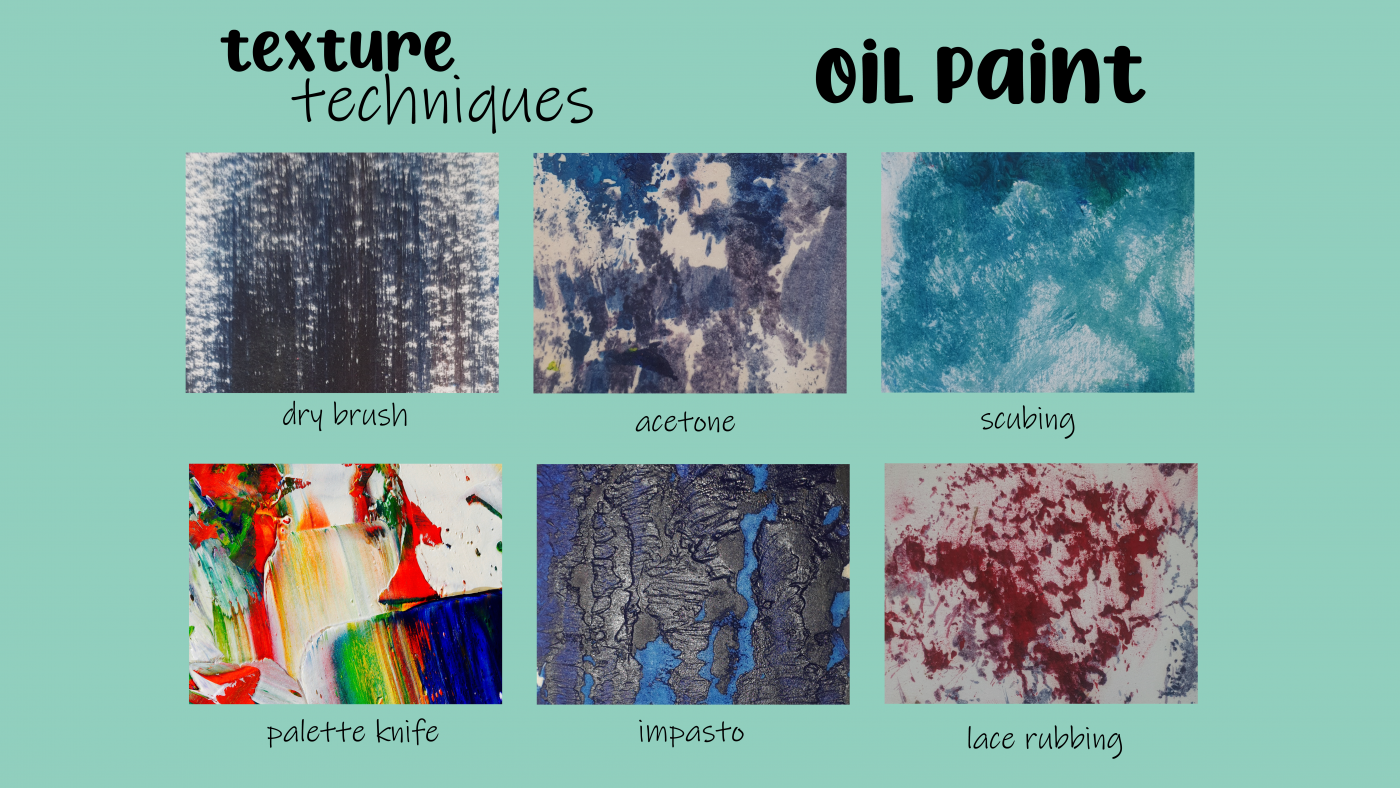
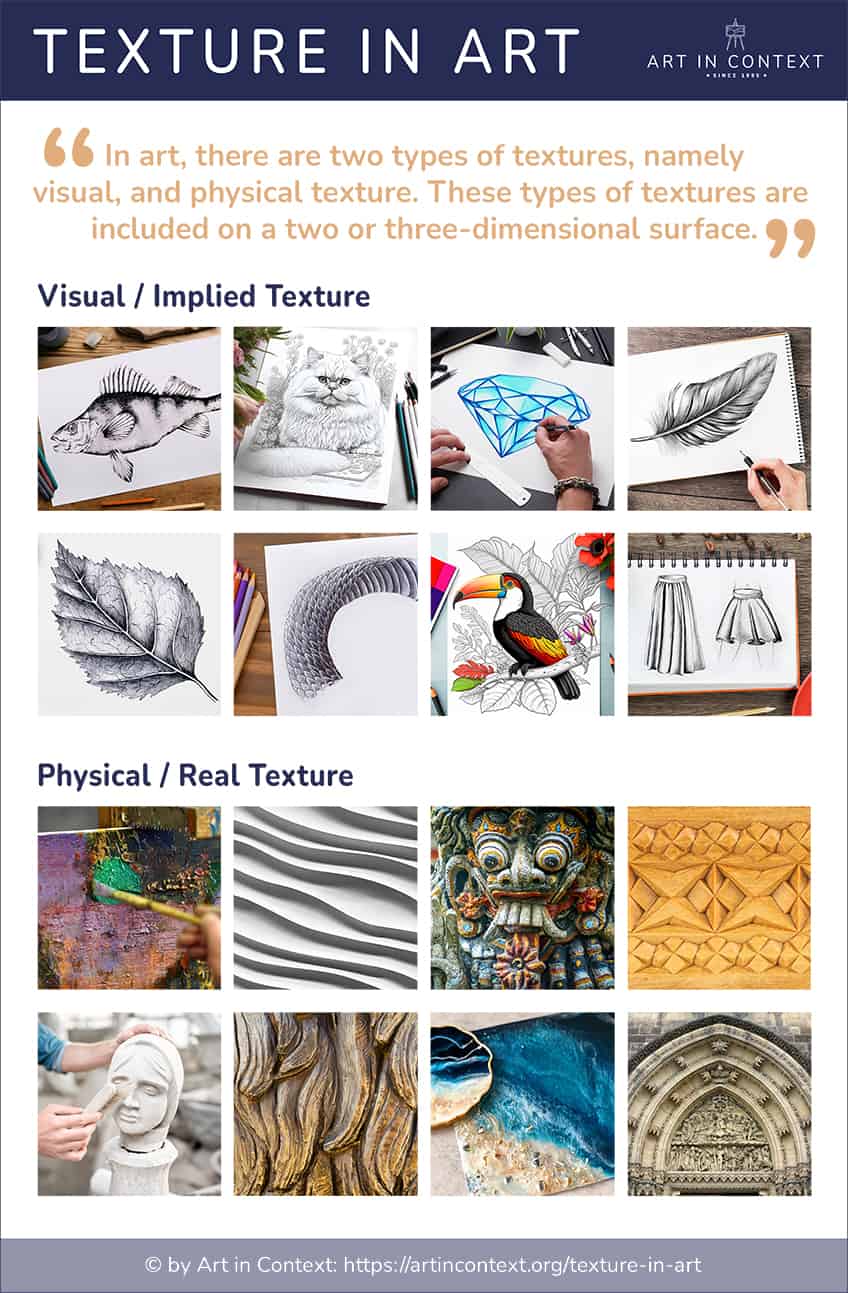
Explore the Texture Element of Art
Dive into the "texture element of art" with our printable guide. Learn how to use it and get creative with simple tips. Start creating today!
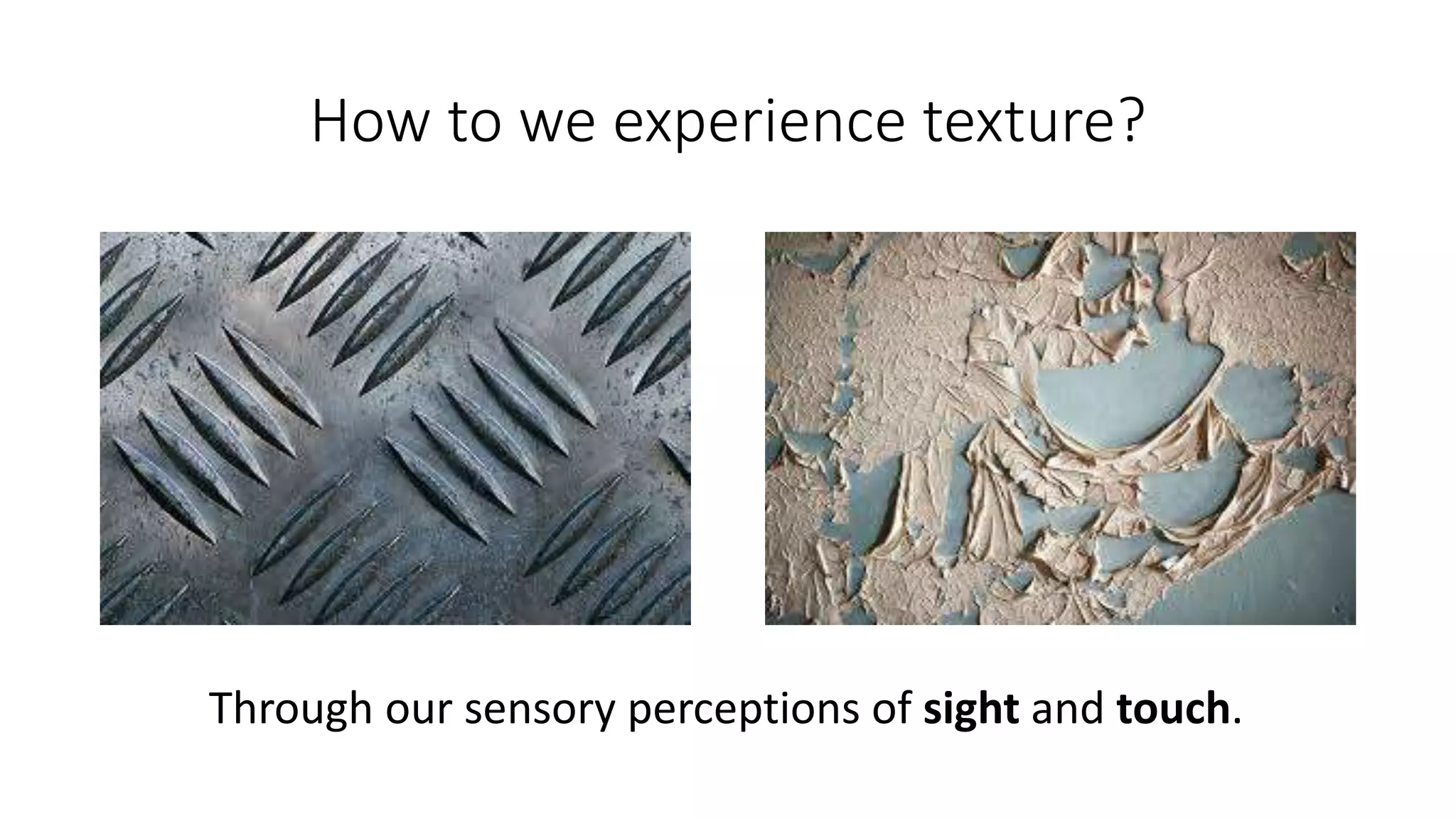
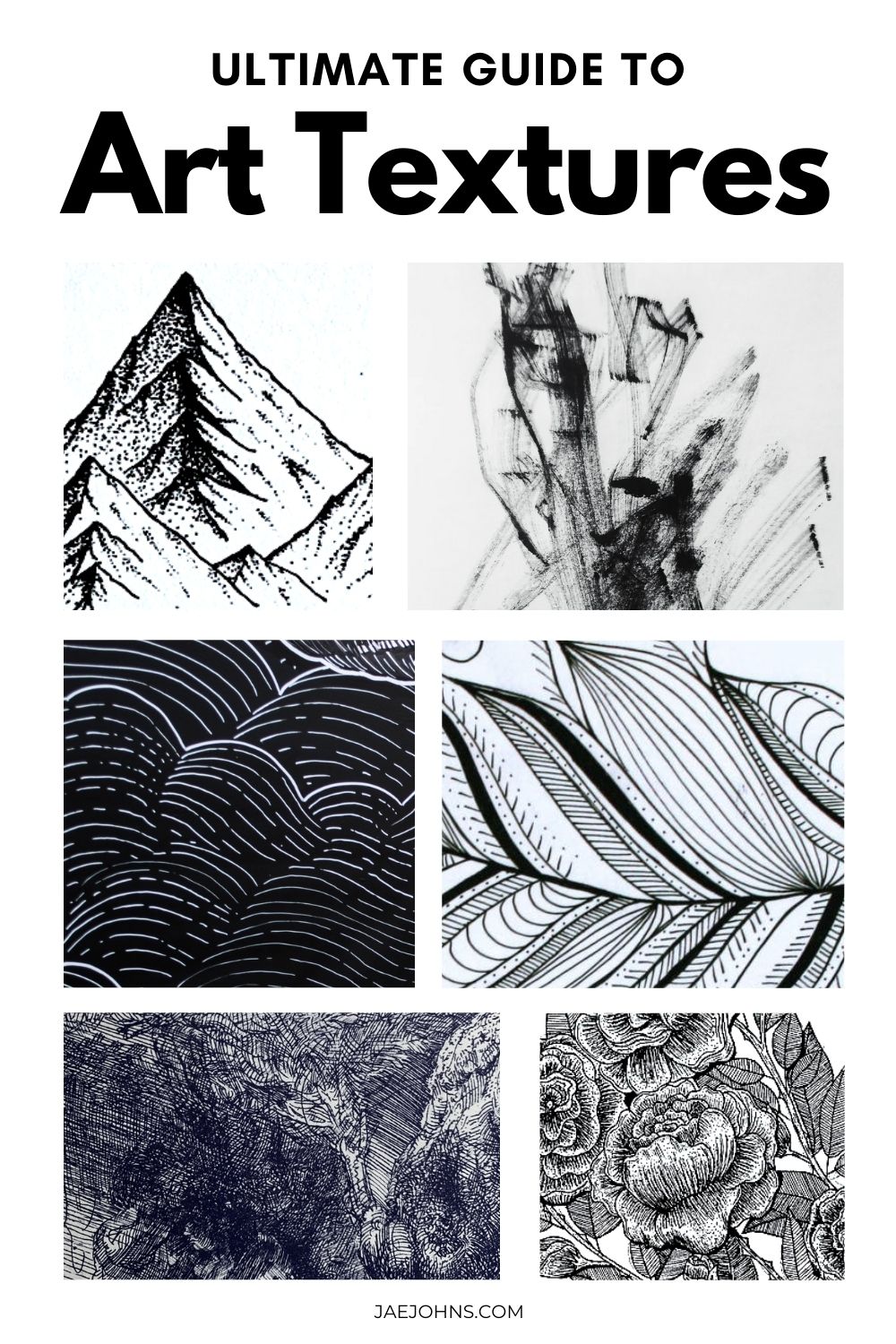
Many people underestimate the power of texture as an element of art, often overlooking its potential as a simple yet effective tool for artistic expression. While it may seem like a minor detail, texture can truly bring a piece of art to life and add a whole new dimension to your creations.
The beauty of the texture element of art is its versatility; it can be explored and enjoyed by artists of all ages and skill levels. Whether you're looking for a fun activity to engage kids in art or seeking a creative outlet for yourself, this printable resource offers a great starting point.
Understanding the Texture Element of Art Printable
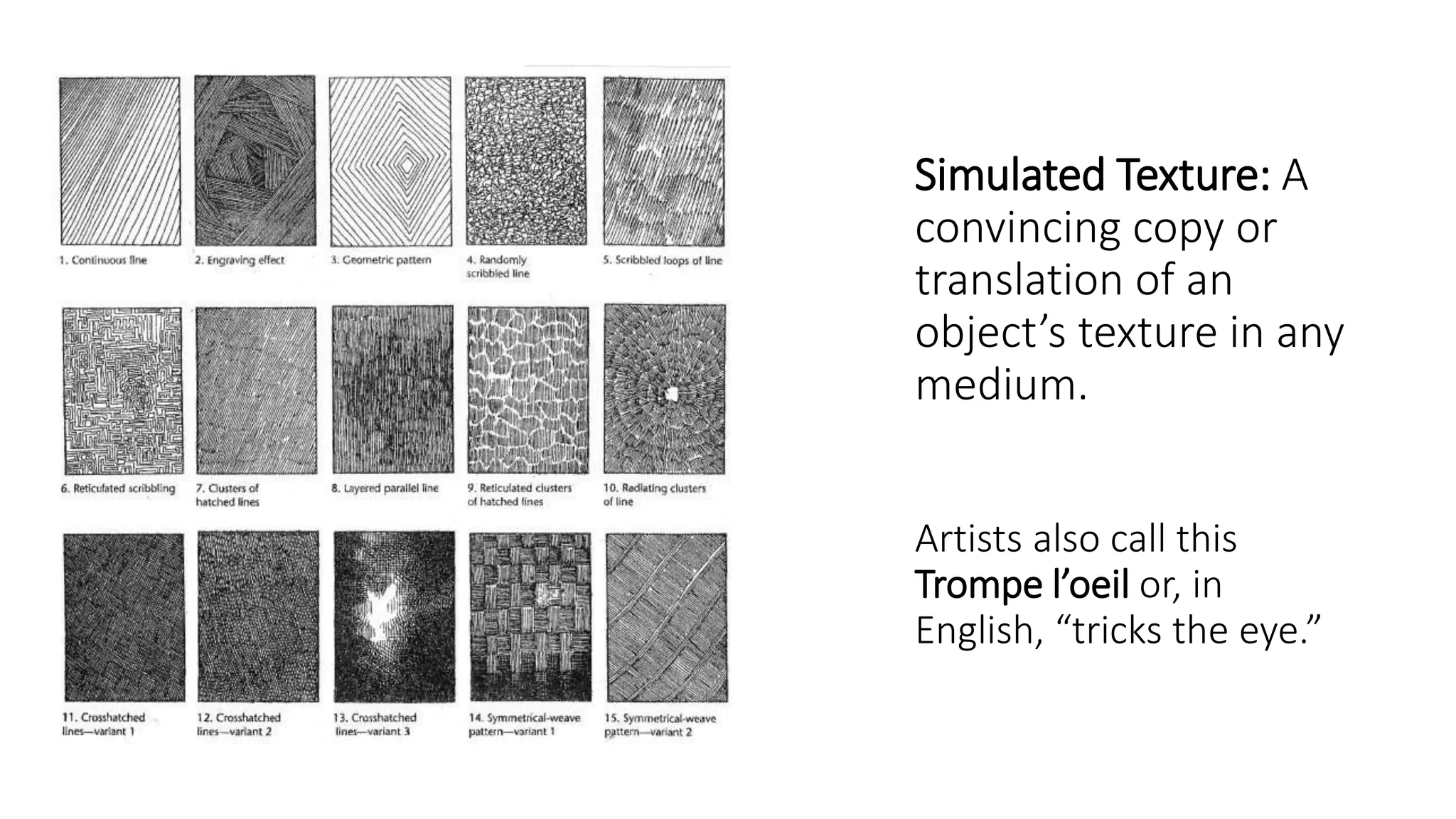
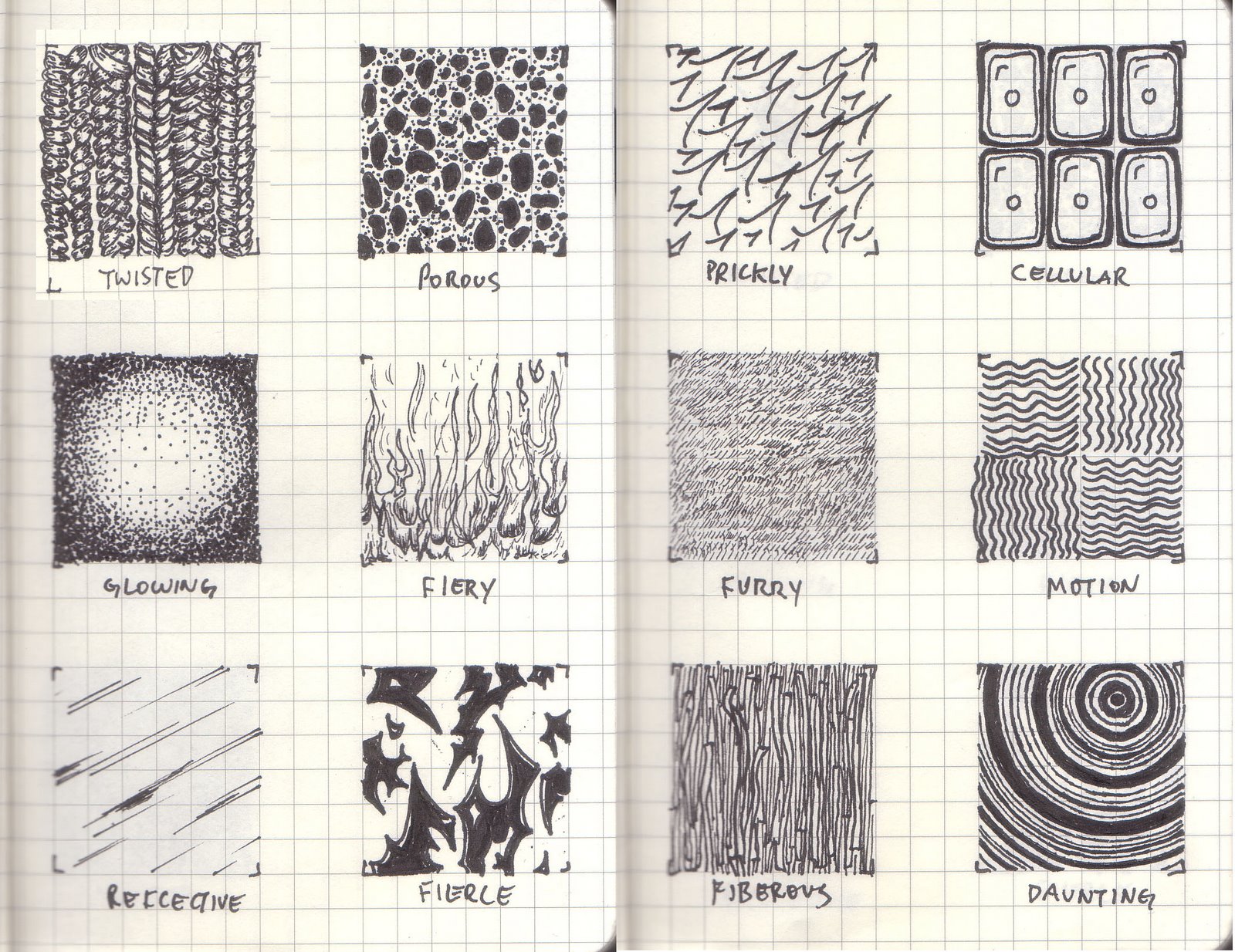
The texture art printable is a versatile tool that introduces the concept of texture in art to learners of all ages. It can be a coloring page, template, or worksheet, depending on your needs and preferences. This printable is an engaging way to explore the tactile and visual qualities of texture, an essential element of art.
Comparing Formats: Coloring Pages, Templates, and Worksheets
When choosing a texture art printable, you have three main formats to consider: coloring pages, templates, and worksheets. Coloring pages offer a creative outlet, allowing users to focus on adding texture and detail with various coloring tools. Templates provide a structured framework, often with sections to fill in, making them ideal for guided exploration. Worksheets, on the other hand, typically include activities or exercises to reinforce texture understanding.
Step-by-Step Guide: Using Your Texture Art Printable
Here's a simple guide to using your texture art printable:
Choose the right format: Select a coloring page for open-ended creativity, a template for structured learning, or a worksheet for focused practice.
Customize with colors: Coloring pages and templates can be customized with a variety of coloring tools. Pencils, crayons, markers, and even paint can be used to add texture and depth.
Adapt for different ages: Texture art printables are versatile and can be adapted for various age groups. For younger children, focus on basic textures and simple tools. Older students can explore more complex textures and techniques.
Print and use: Print your chosen printable on suitable paper. US Letter and A4 sizes are common, but ensure your printer settings are correct, especially for A4, as it differs from US Letter.
Engage and learn: Depending on your choice, encourage creativity with coloring pages, fill in templates with texture details, or complete worksheet activities to reinforce texture understanding.
Common Misconceptions and Troubleshooting
A common misconception is that texture art printables are only for young children. While they are excellent for introducing texture to kids, they can also be adapted for older students and even adults. Another pitfall is assuming all printables are the same. Coloring pages, templates, and worksheets each have unique purposes and uses, so choose the right one for your needs.
To avoid issues, ensure you select the appropriate format and customize it to suit your age group and learning goals. With the right tools and a bit of creativity, texture art printables can be a fun and educational experience for all.
Remember, each project is unique, and while these guidelines offer a solid framework, your creative process may require some adjustments. It's all about finding what works best for you and your artistic vision.
Feel free to explore our other guides for more insights and inspiration. And don't forget to bookmark this page for future reference; it might just be the go-to resource you need when tackling your next texture-focused masterpiece!
Images