What is a cold open and how can it be used?
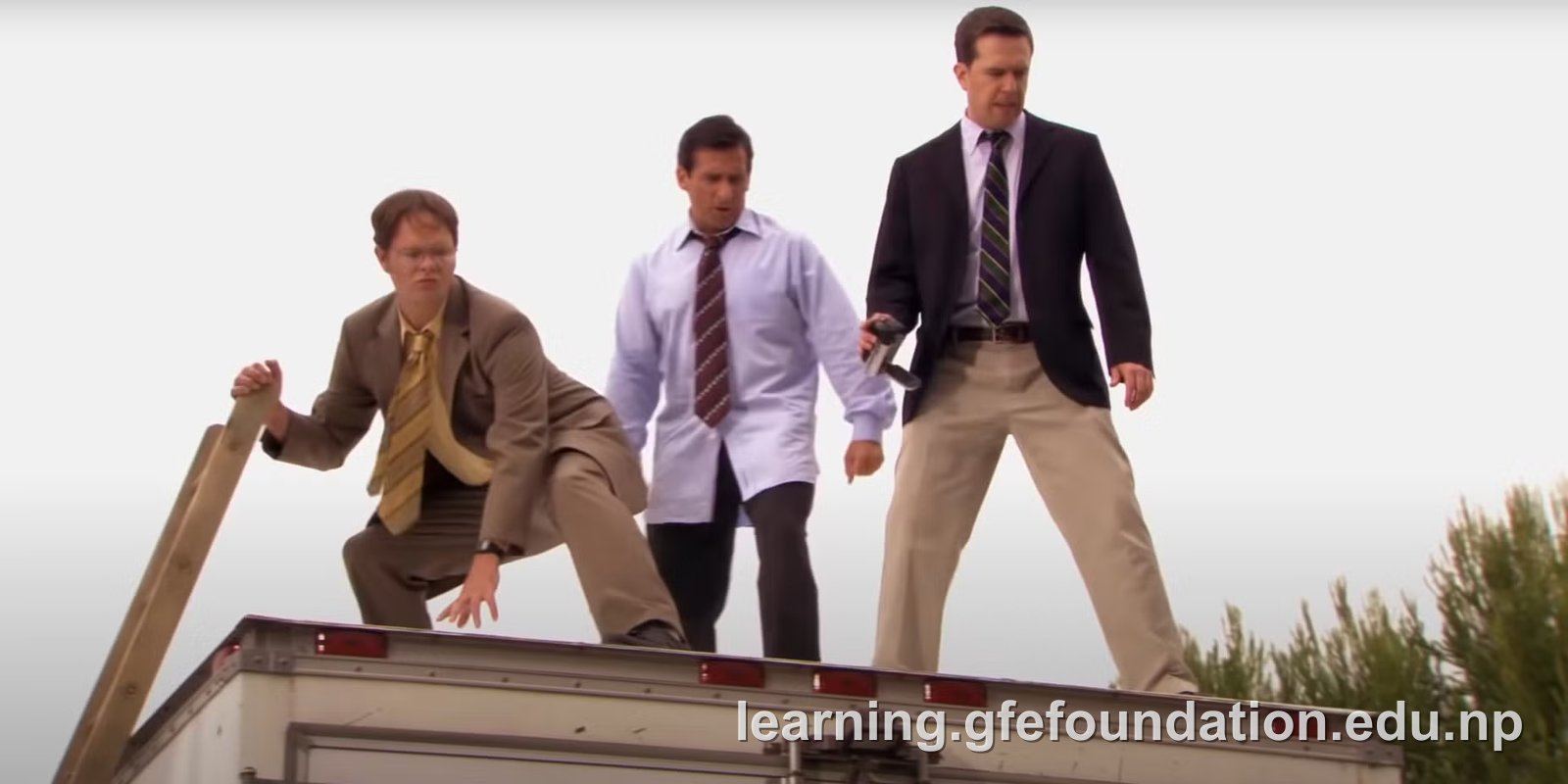
Learn about "what is a cold open" and get a printable template. Simple tips and ideas for an easy, ready-to-use resource.
A lot of people assume that a bold and dramatic opening is the way to go, but when it comes to what is a cold open, it's often the subtle approach that works best. A cold open, simply put, is an unexpected and quiet start.
It's a technique used in writing, from TV scripts to film scenes, and even in educational resources like worksheets and coloring pages. The idea is to draw your audience in with a calm and intriguing beginning, leaving them curious for more.
What is a Cold Open?
A cold open is a creative storytelling technique often used in film, TV, and even theater. It's a powerful way to grab your audience's attention from the very beginning, setting the tone and mood of your story. In a cold open, the action starts immediately, with no title sequence, credits, or traditional opening scene to introduce the story.
Key Details and Categories
Cold opens can vary widely, but they often share some key elements. They usually involve an unexpected or intriguing event, a compelling character, or a unique setting. This technique is a great way to create an immediate sense of intrigue and draw viewers into the narrative.
Step-by-Step Guide to a Cold Open
Creating a cold open is an art, and here's a simple guide to help you craft one:
Start with a compelling idea: Begin by brainstorming a unique and engaging scenario or moment that will hook your audience.
Focus on a single element: Choose one strong element, whether it's a character, an action, or a setting, and use it to draw your viewers in.
Build tension: Create a sense of anticipation or mystery. Leave your audience with questions, wondering what will happen next.
Keep it concise: A cold open is typically short, so keep the action focused and the pace fast.
Set the tone: Use this opening to establish the mood and style of your story. Whether it's dramatic, funny, or suspenseful, make sure it's clear from the start.
Variations and Differences
The beauty of a cold open is its flexibility. It can be adapted to various genres and styles. Here are some common variations:
- Action-packed: Some cold opens start with a high-octane scene, full of adrenaline-pumping action.
- Character-driven: Others focus on a compelling character and their unique situation, introducing them in an intriguing way.
- Mystery: A cold open can also begin with a mysterious event, leaving viewers curious and eager to uncover the truth.
Common Mistakes and How to Avoid Them
When crafting a cold open, it's easy to make a few mistakes. Here's how to avoid them:
- Avoid info dumps: Don't overload your audience with too much information or exposition. Keep it simple and focused.
- Don't drag it out: Keep the cold open short and sweet. Prolonging it can lose the impact and interest of your viewers.
- Ensure clarity: Make sure your opening scene is clear and easy to follow. Avoid confusing or ambiguous elements.
- Balance the pace: Find the right balance between action and dialogue. A well-paced cold open keeps the audience engaged.
So, now you're equipped with the knowledge of cold opens and how to use them effectively. Remember, it's always a good idea to check the specific guidelines or requirements for your project, as there might be slight variations or preferences depending on the context.
This technique is a great tool to have in your creative arsenal, and it's always handy to have a quick reference guide like this. Feel free to bookmark this page for future use; it might just be the inspiration you need for your next awesome cold open!
Images